


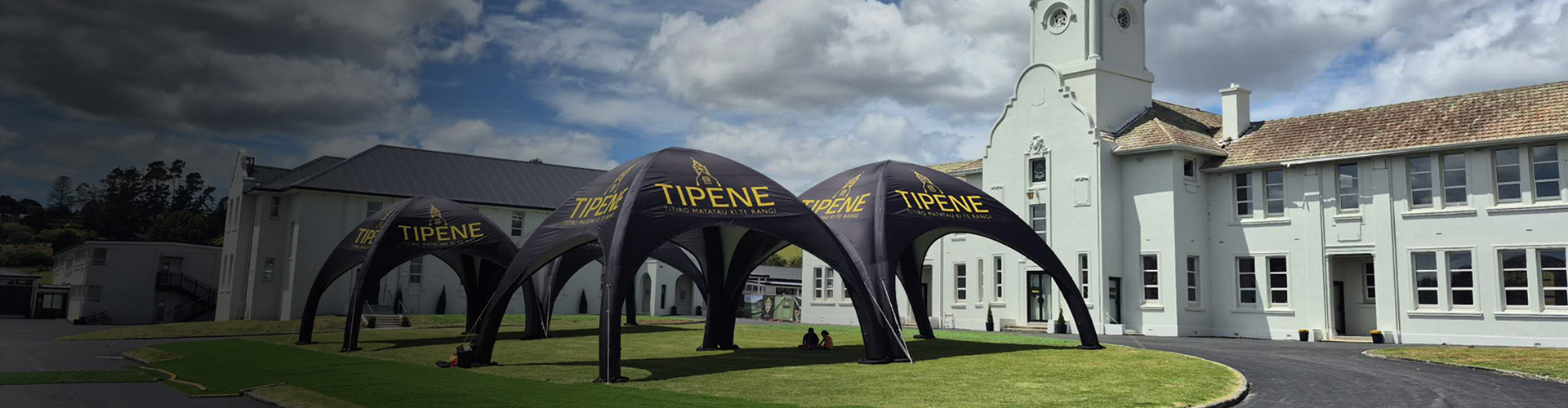
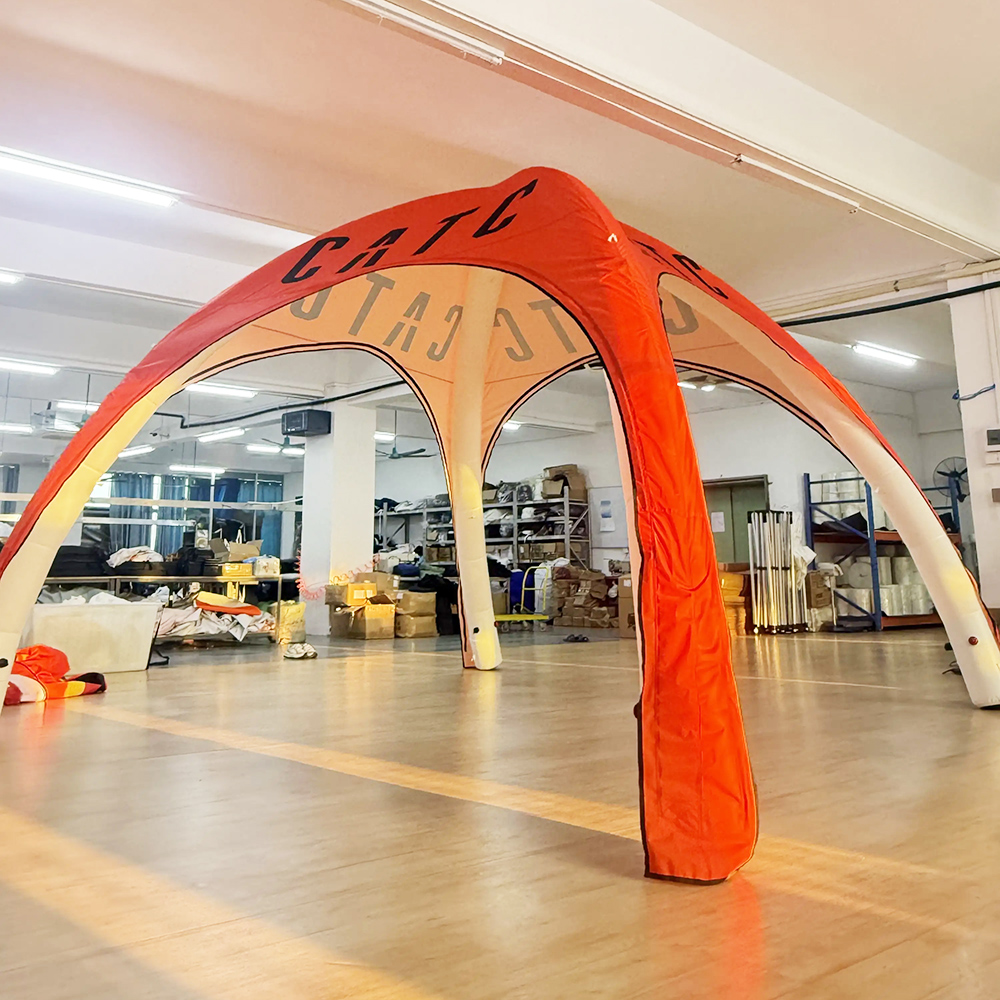


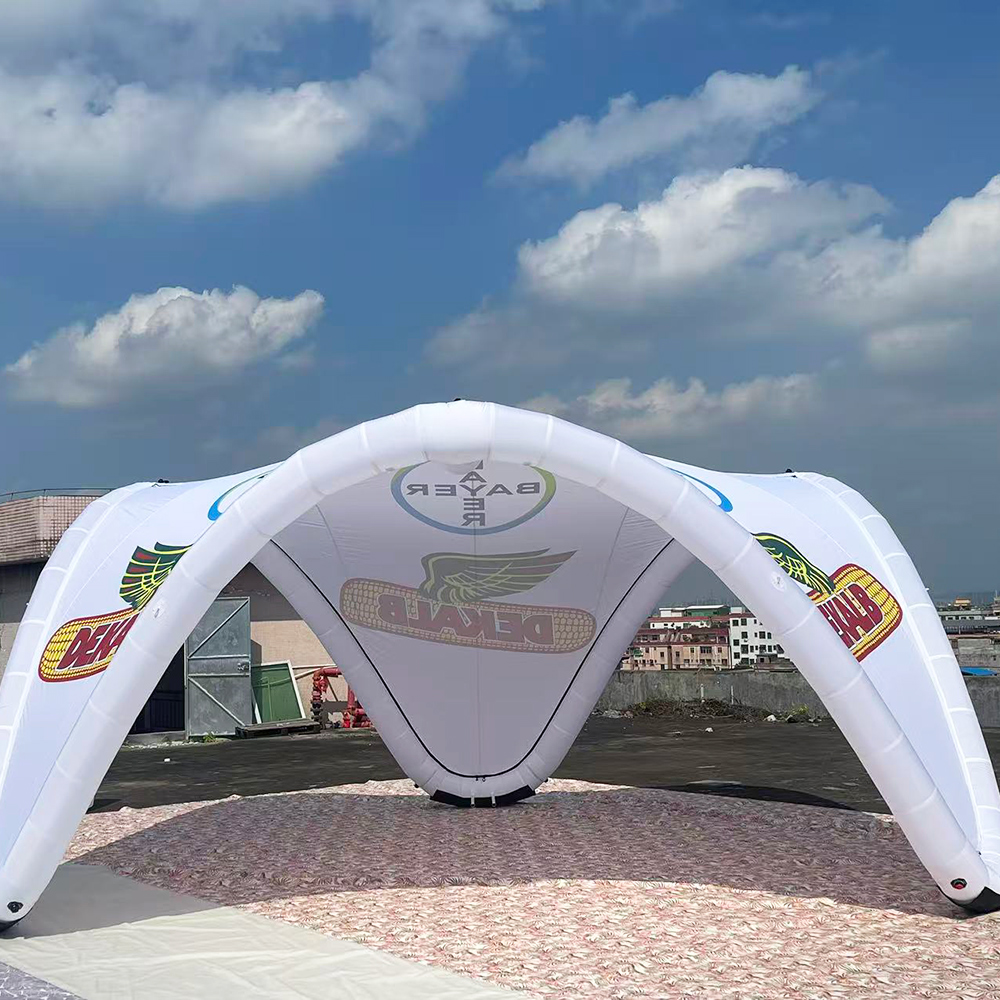

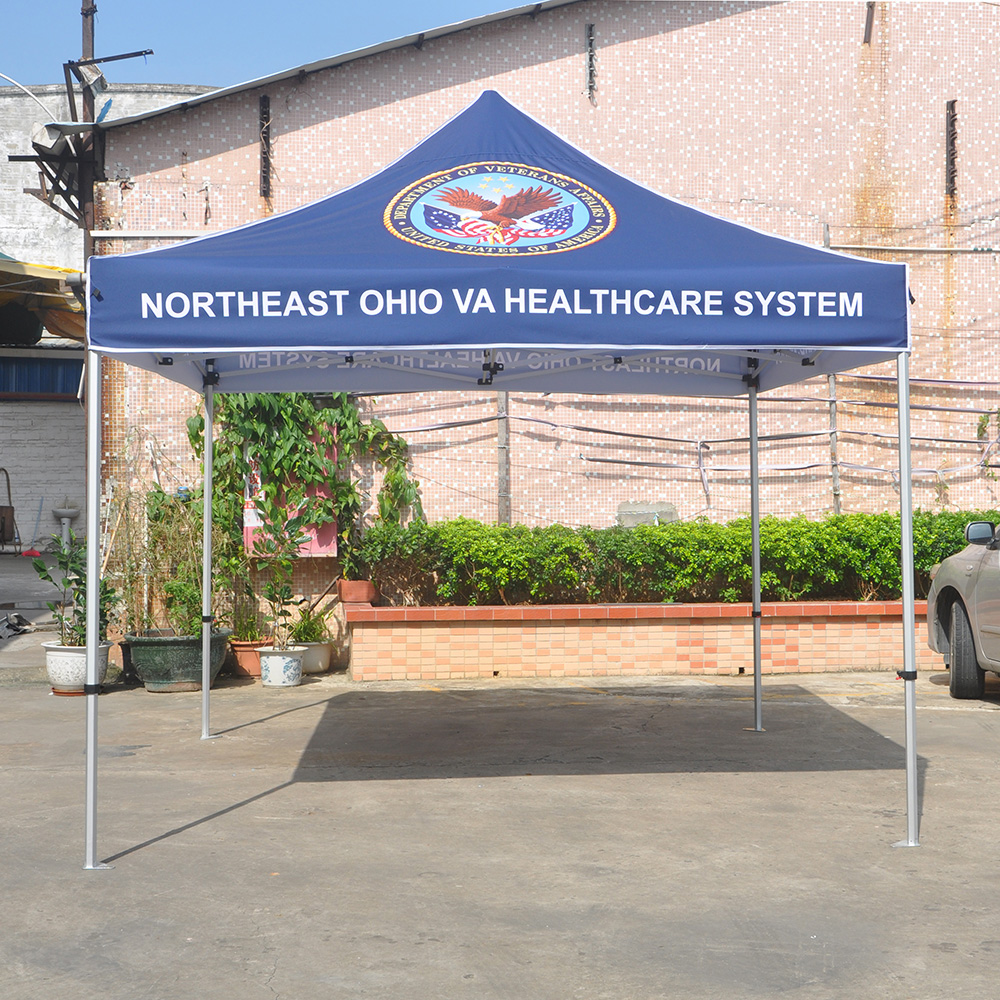

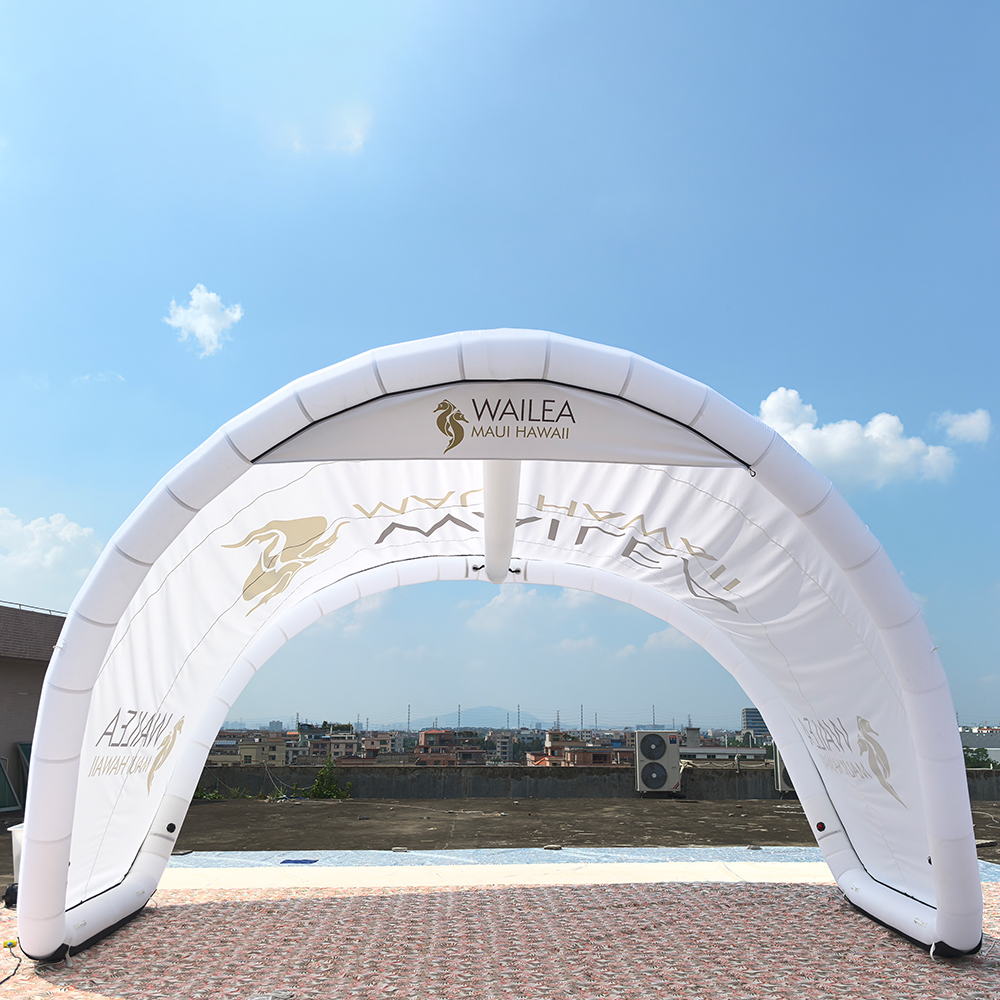
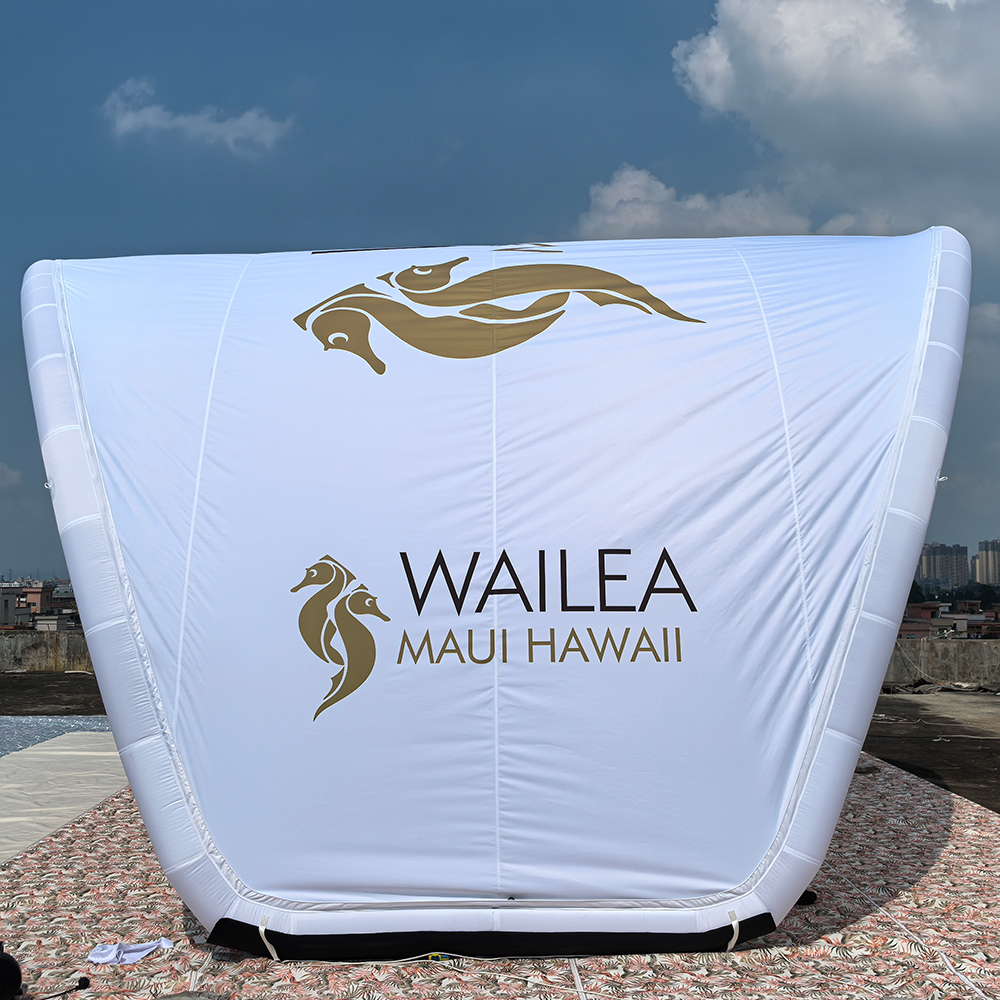
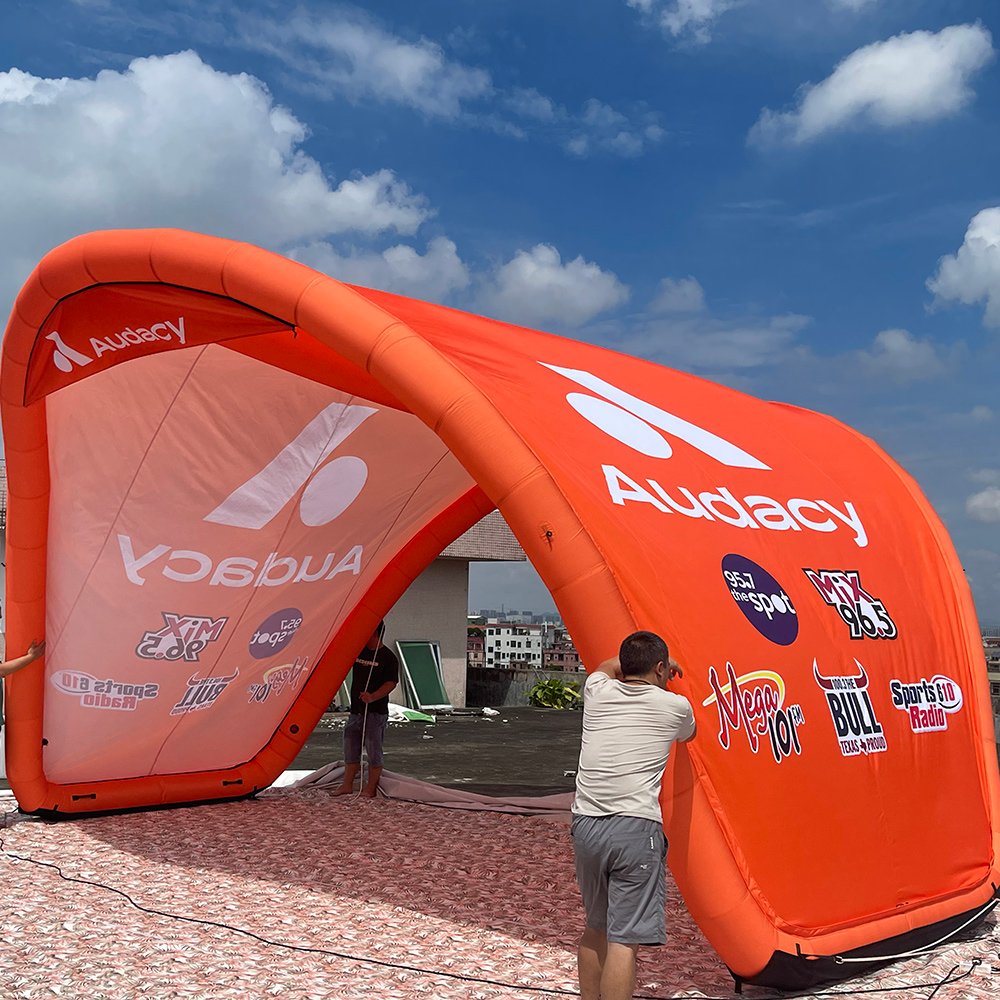
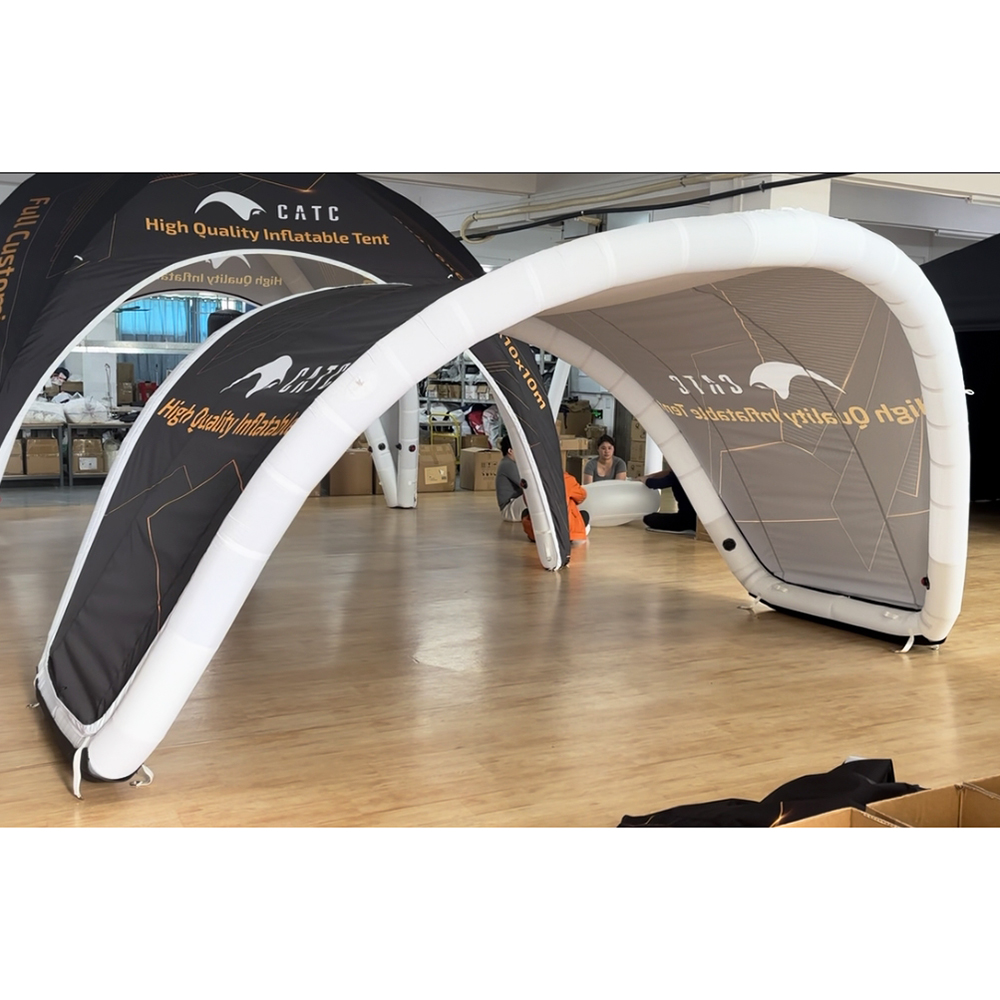

Modern Sealed Inflatable U-Tent from China Suppliers - Durable Outdoor Branding Pavilion from Factory
Key Strategies for Website Performance
Optimizing your website's performance is crucial for enhancing user experience and improving search engine rankings. Modern web design requires a balance between aesthetic appeal and technical efficiency to ensure visitors remain engaged and search crawlers can easily index your content.
Important Note: Page load speed is a direct ranking factor for Google Search. Ensuring your images are compressed and your code is clean can significantly boost your SEO visibility.
Visual Asset Optimization
High-quality images and video demonstrations are essential components of modern web layouts. They help explain complex concepts quickly and keep users on the page longer. However, they must be formatted correctly to prevent slow loading times.


Interactive Media Integration
Integrating video content helps lower bounce rates and provides visitors with dynamic ways to digest information. Below is an example of an optimized video container designed to match responsive layouts perfectly.

Frequently Asked Questions
You can improve loading speed by compressing images, leveraging browser caching, minifying CSS and JavaScript, and utilizing a Content Delivery Network (CDN).
Images should be saved in next-gen formats like WebP. Keep file sizes below 150KB for standard content images, and ensure the resolution matches the display container.
Google uses mobile-first indexing, meaning the mobile version of your website is the baseline for how Google determines rankings. A non-responsive site will negatively impact search visibility.
Schema markup helps search engines understand the context of your content, which can generate rich snippets in search results, thereby increasing click-through rates.
Content should be updated whenever information becomes outdated. Regular updates signal to search engine crawlers that your site is active and provides fresh, relevant value to users.