Leave Your Message
Engineered for high mobility, ultra-clean aesthetic lines, and constant-pressure reliability under intensive commercial foot traffic.
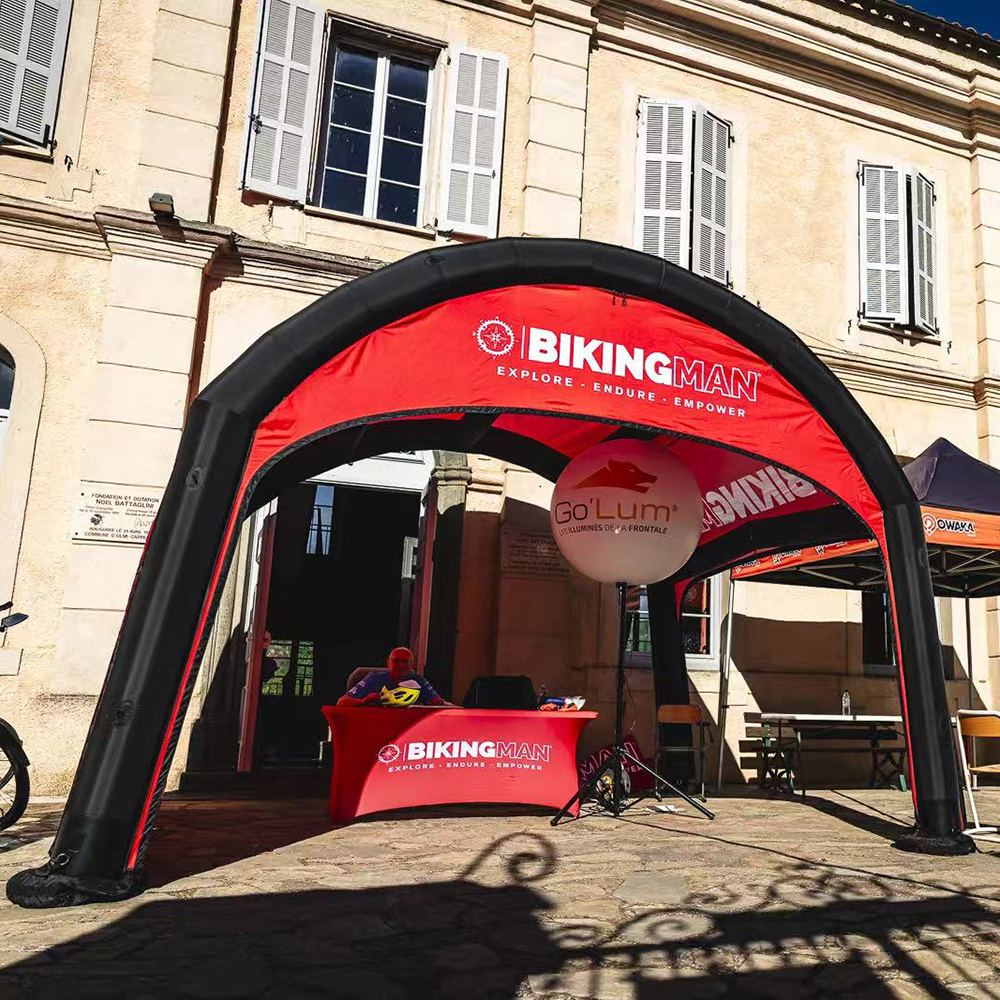
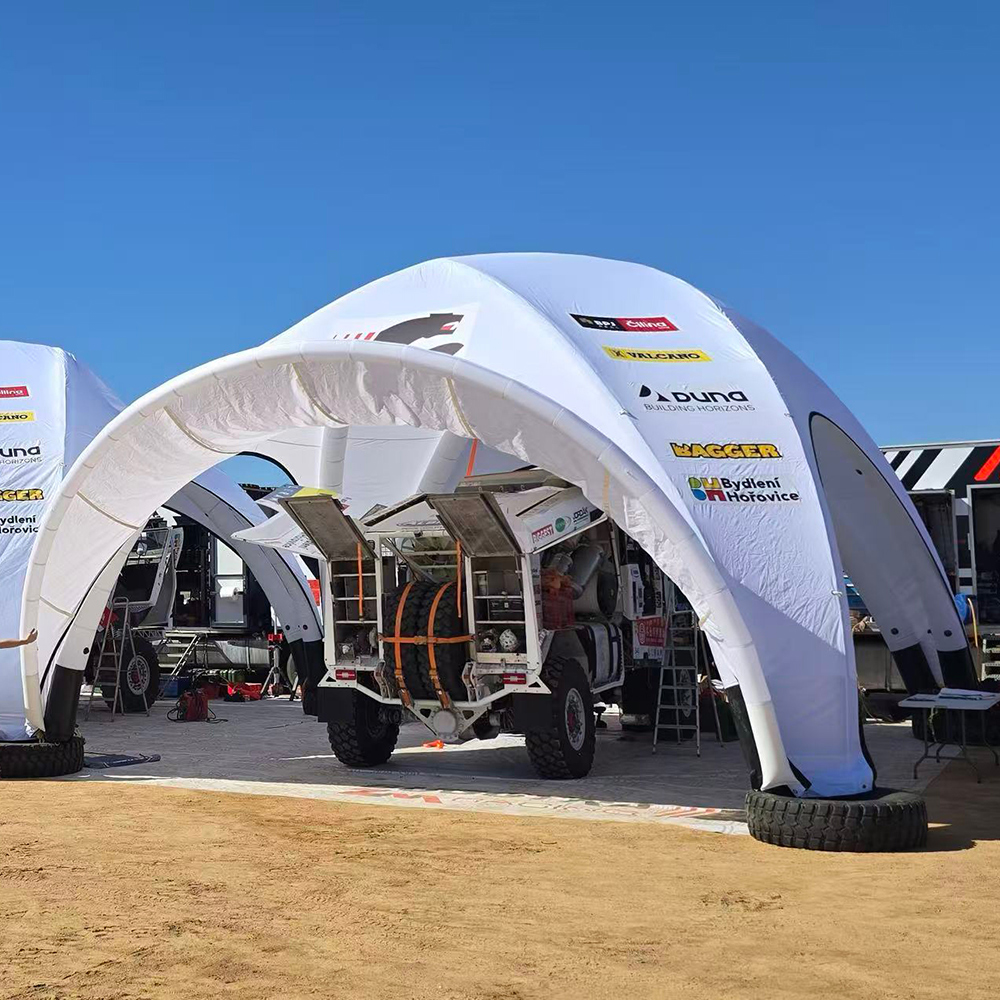
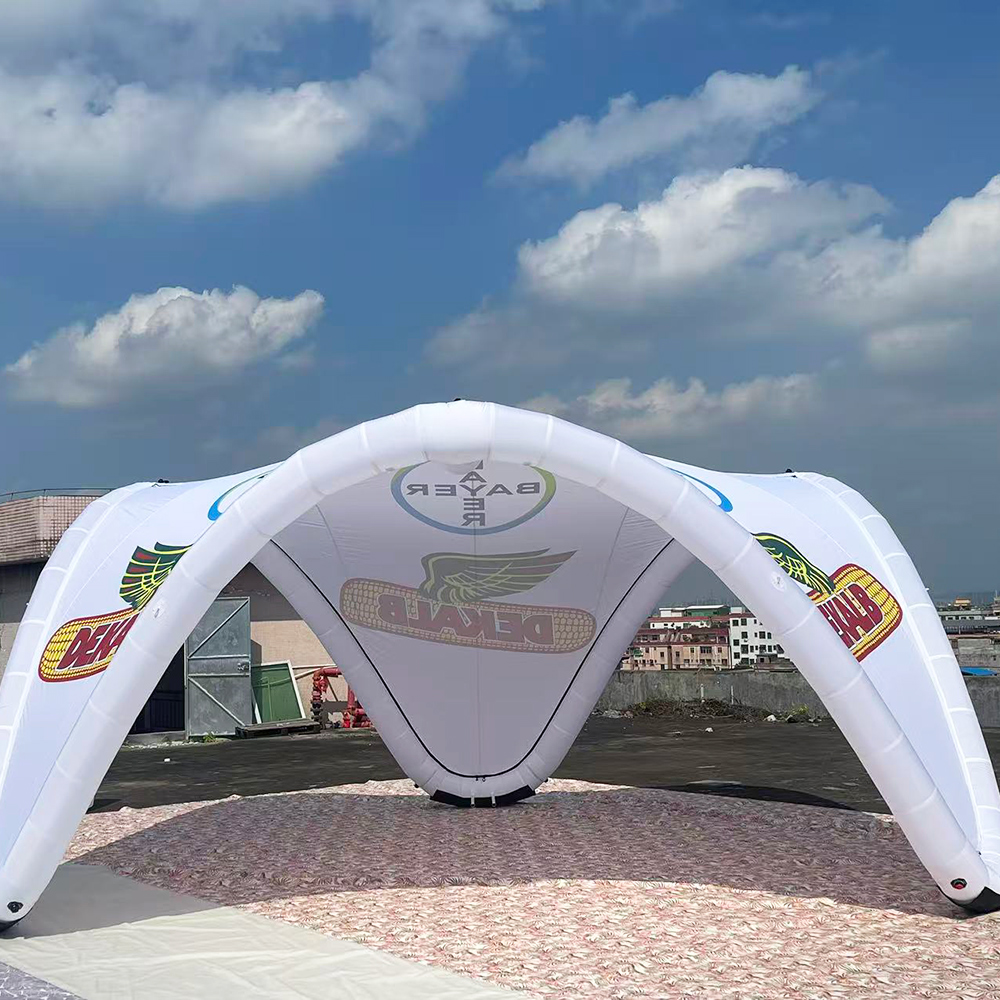
The global retail landscape and event hosting sector have experienced a fundamental transformation over the past decade. Traditional brick-and-mortar storefronts are frequently weighed down by long leases, restrictive overheads, and static locations that cannot respond dynamically to shifting consumer traffic patterns. In response, modern commercial operators, independent creators, and high-tier lifestyle brands have embraced agility as a core competitive advantage. Herein lies the accelerating adoption of an inflatable tent for parties, pop-up retail stores, and street markets.
Unlike conventional rigid aluminum truss canopies or cumbersome steel frames that demand team-based labor, dedicated logistics trucks, and multi-hour installation windows, modern pneumatic structures leverage pressurized air chambers encapsulated within composite high-tensile polymer fabrics. The resulting structures deliver structural rigidity, organic futuristic silhouettes, and superior thermal acoustic damping with a fraction of the transport bulk. As street markets evolve from rustic flea gatherings into curated, sensory-rich urban night festivals, the aesthetic appeal of a sleek, self-illuminating, airtight canopy immediately establishes brand prestige and commands higher visitor dwell times.
A 36m² pneumatic pavilion deflates down to fit inside a single rolling transport bag, drastically slashing shipping, drayage, and warehouse staging overheads.
Advanced one-way valve matrix cores eliminate continuous blower noise, creating a silent, peaceful retail showcase or VIP party lounge environment.
Curvilinear geodesic vaults and aerodynamic Spider profiles break away from rigid box tents, converting every retail pop-up into an organic landmark.
Commercial street markets in metropolitan hubs—from London's Southbank and Berlin's creative plazas to New York's Hudson Yards seasonal pop-ups—require setups that can clear public roads or historical pavements within minutes upon market closure. Modern airtight inflatable tents fulfill this stringent municipal requirement flawlessly. With zero rigid poles that can scrape sidewalks or injure guests during heavy crosswinds, pneumatic architecture represents the apex of structural safety, rapid compliance, and mobile merchandising agility.
How airtight pneumatic architecture is deployed across diverse commercial environments to maximize engagement, throughput, and brand prestige.
In the direct-to-consumer (D2C) era, digital brands regularly launch physical pop-ups to test localized foot traffic, celebrate seasonal collaborations, or bridge online marketing campaigns into tangible real-world interactions. Inflatable structures—particularly N-Tents, V-Tents, and multi-leg Spider Domes—serve as experiential micro-stores that intrigue passersby from hundreds of yards away.
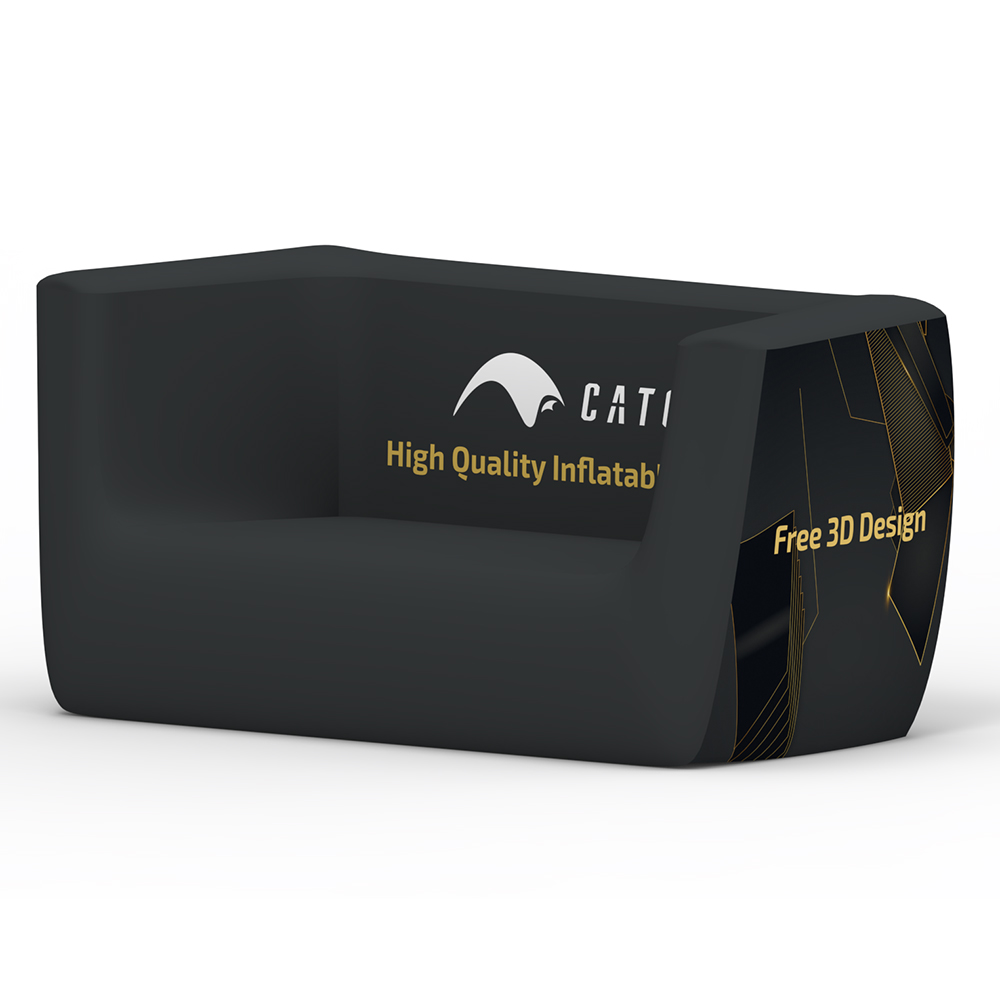
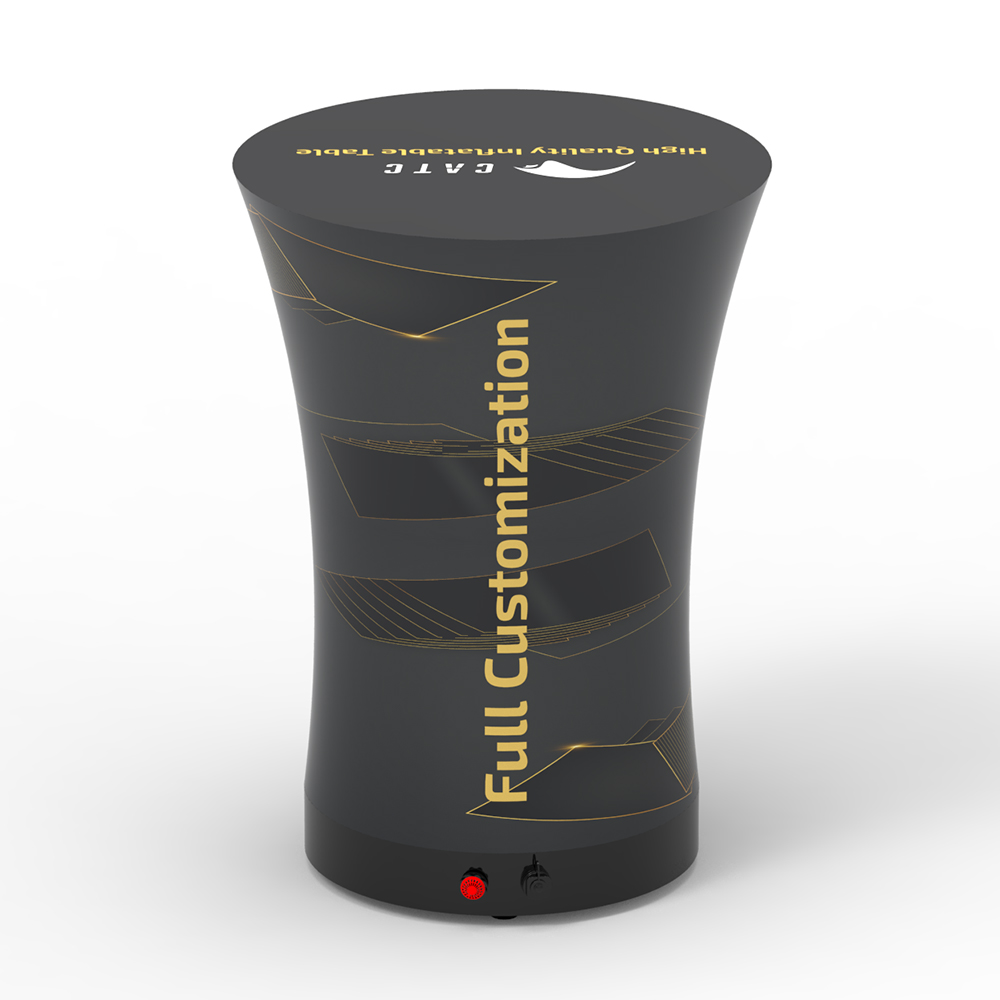
Because the inner skin and outer canopy can be customized with high-fidelity dye-sublimation graphics, the entire architecture becomes an immersive 360-degree promotional billboard. Interior air columns can be supplemented with built-in LED uplighting channels that pulse in synchrony with ambient music, creating a tech-forward boutique environment. Retail operators can install integrated hanger tracks, lightweight slat walls, and inflatable furniture sets (such as double-seat lounge sofas and round bar counters) to build a fully functional, climate-controlled retail space in less than 20 minutes.
Street markets demand durability, fire-retardant compliance (such as B1/NFPA 701 certifications), and high wind load resistance. Traditional frame canopies often suffer frame bending or catastrophic joint shear under sudden 30-knot wind gusts when funneling through city center wind tunnels. Airtight inflatable tents, by comparison, possess inherent passive damping: when hit by turbulent gusts, the pressurized Dacron/TPU structural tubes flex smoothly to absorb kinetic aerodynamic loads and instantly snap back into position without structural fatigue.
Furthermore, because inflatable spider tents and dome arches distribute ground loads across wide anchor points without requiring central vertical support posts, vendor stalls enjoy 100% usable internal clearance. Vendors can arrange circular bakery displays, live cooking bars, or artisan fashion racks without navigating awkward center poles, effectively improving shopper flow and elevating transaction capacity during peak market hours.
From rooftop corporate product launches to secluded VIP backstage sanctuaries at summer music festivals, an inflatable tent delivers privacy, climate containment, and modern luxury. With quick-zip modular wall systems, operators can configure transparent TPU skylights, opaque blackout privacy partitions, or fine insect-mesh window panels depending on ambient climate conditions.
The sealed airtight air-column structure guarantees whisper-silent operation—a stark contrast to old-fashioned continuous-fan bounce structures or low-end industrial blowers that produce relentless motor hum. Guests can hold crystal-clear conversations, listen to acoustic live music, or conduct executive meetings undisturbed inside the pavilion.
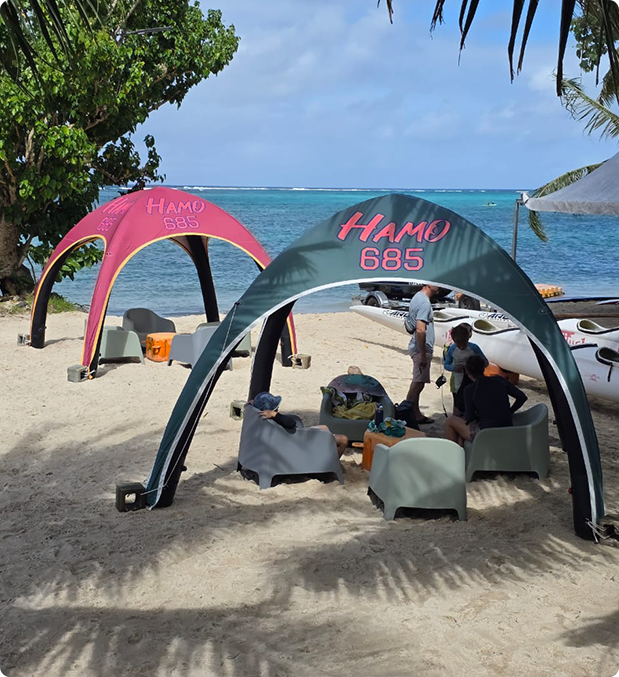
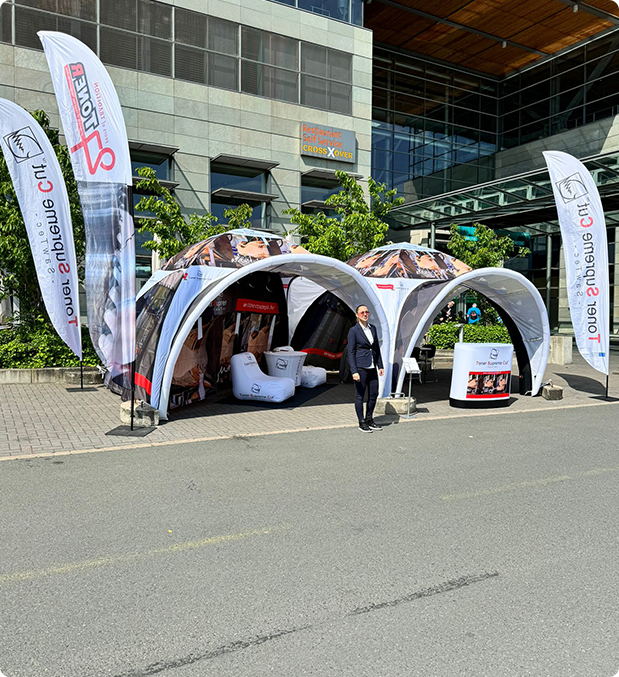
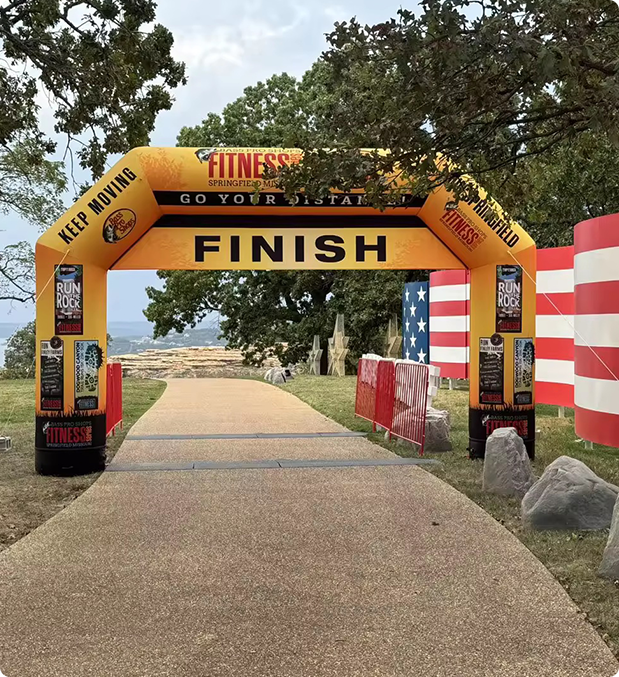
Industrial manufacturing excellence combined with global outdoor marketing insight.

Years of experience in inflatable advertising products and outdoor event equipment. In-house manufacturing with skilled workers, standardized processes, and strict quality inspection.

Strong OEM & ODM capability, supporting logo printing, custom colors, materials, and structures. On-site after-sales support can be arranged abroad.

Eco-conscious production approach, using durable, reusable materials and environmentally responsible printing processes to reduce waste.
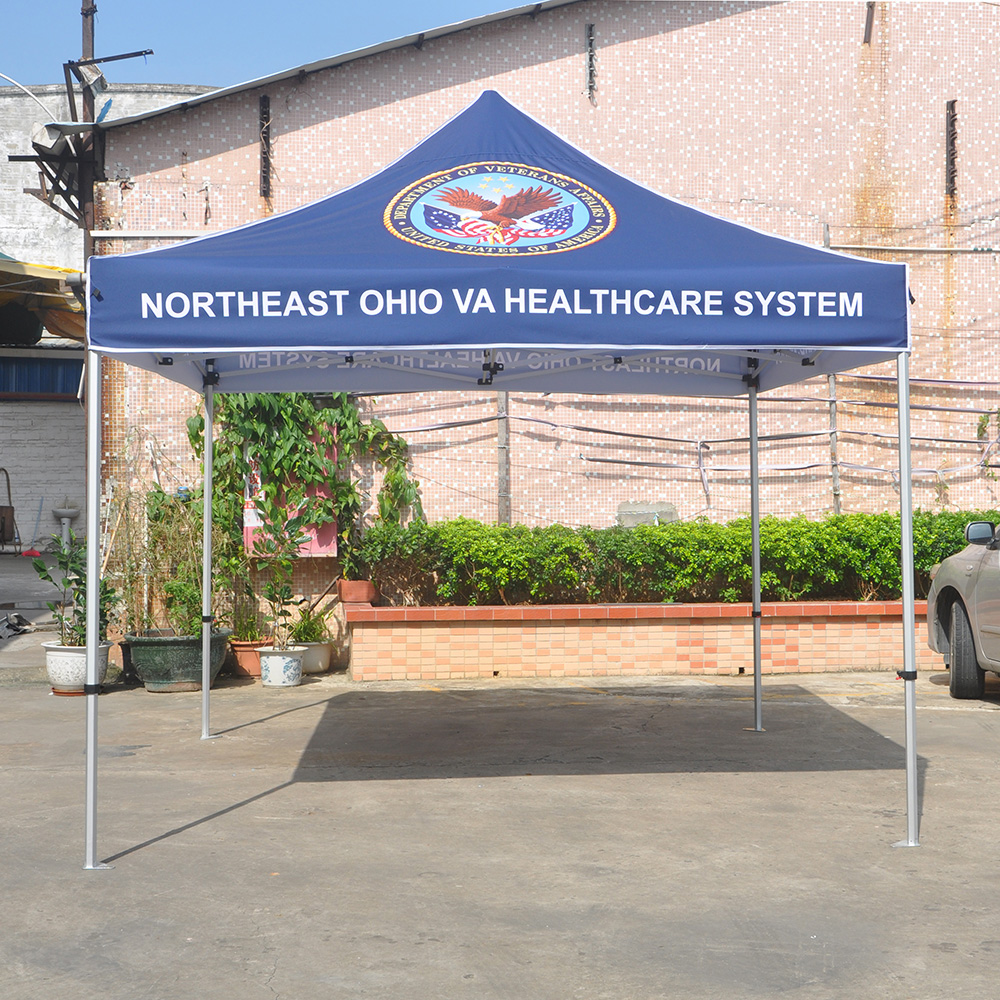
When selecting portable architecture for seasonal street markets or touring brand campaigns, procurement managers look closely at total cost of ownership (TCO). While traditional aluminum frame gazebos appear cost-effective initially, their life cycle cost quickly spirals due to bent scissor hinges, missing nuts, bent legs, and recurring freight bills.
CATC inflatable structures utilize high-density airtight inner bladders fabricated from durable thermoplastic polyurethane (TPU) protected inside reinforced polyester sleeves. The seams are fused via computer-controlled high-frequency radio welding, yielding tensile rupture tolerances far beyond conventional stitched fabrics. This prevents micro-leaks, ensuring pressure retention over multiple consecutive days without supplemental topping off.
Deploying a standard 6x6m rigid marquee usually demands 3 to 4 trained technicians and 45 to 60 minutes of heavy lifting. In contrast, an inflatable canopy can be anchored, unrolled, and inflated with an electric air pump by a single operator in less than 8 minutes. When multiplying this labor saving across a 30-city street market tour, companies save thousands of man-hours and eliminate potential workers' compensation claims related to heavy frame lifting.
With sublimation digital printing that penetrates deep into fabric fibers, the entire skin of the inflatable tent resists UV fading, cracking, and water staining. Brands can wrap hyper-vibrant 3D visuals, QR code portals, and promotional themes across the roof canopy, columns, and sidewalls, making each street market stall an unmistakable photo opportunity for social media sharing.
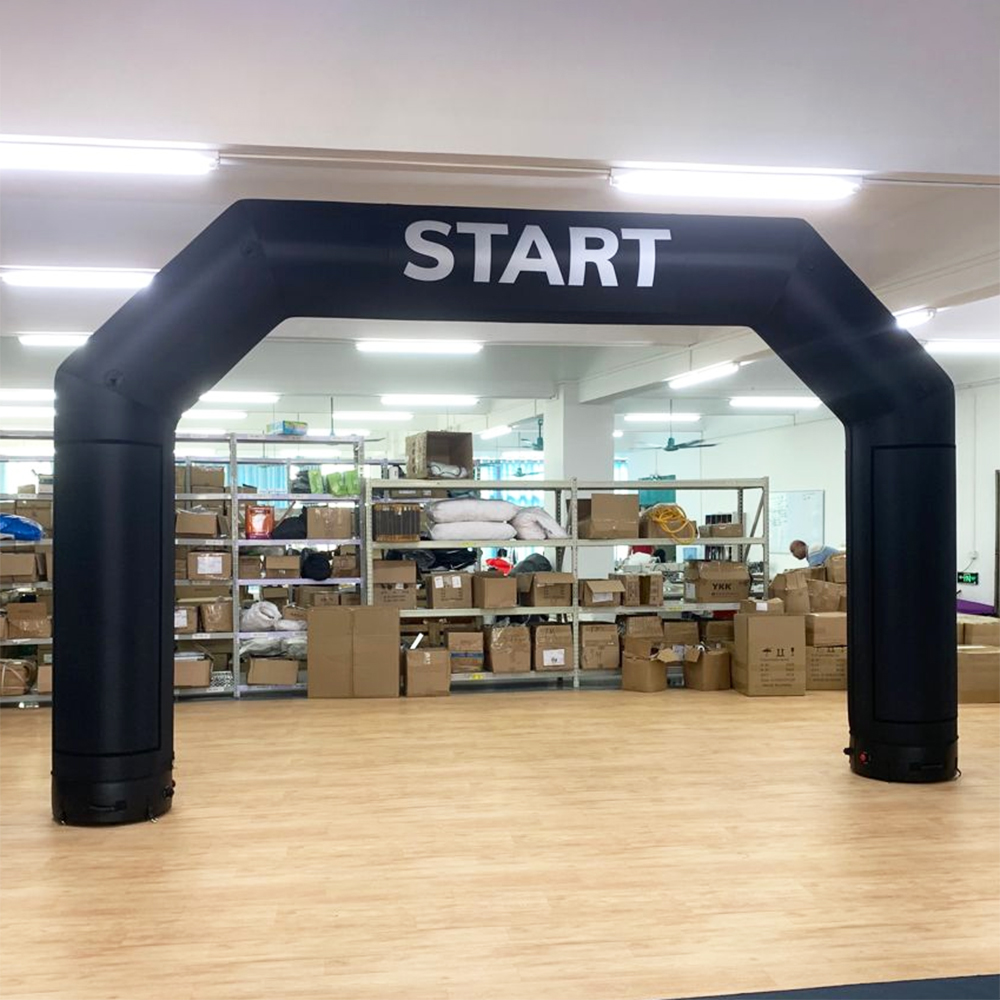
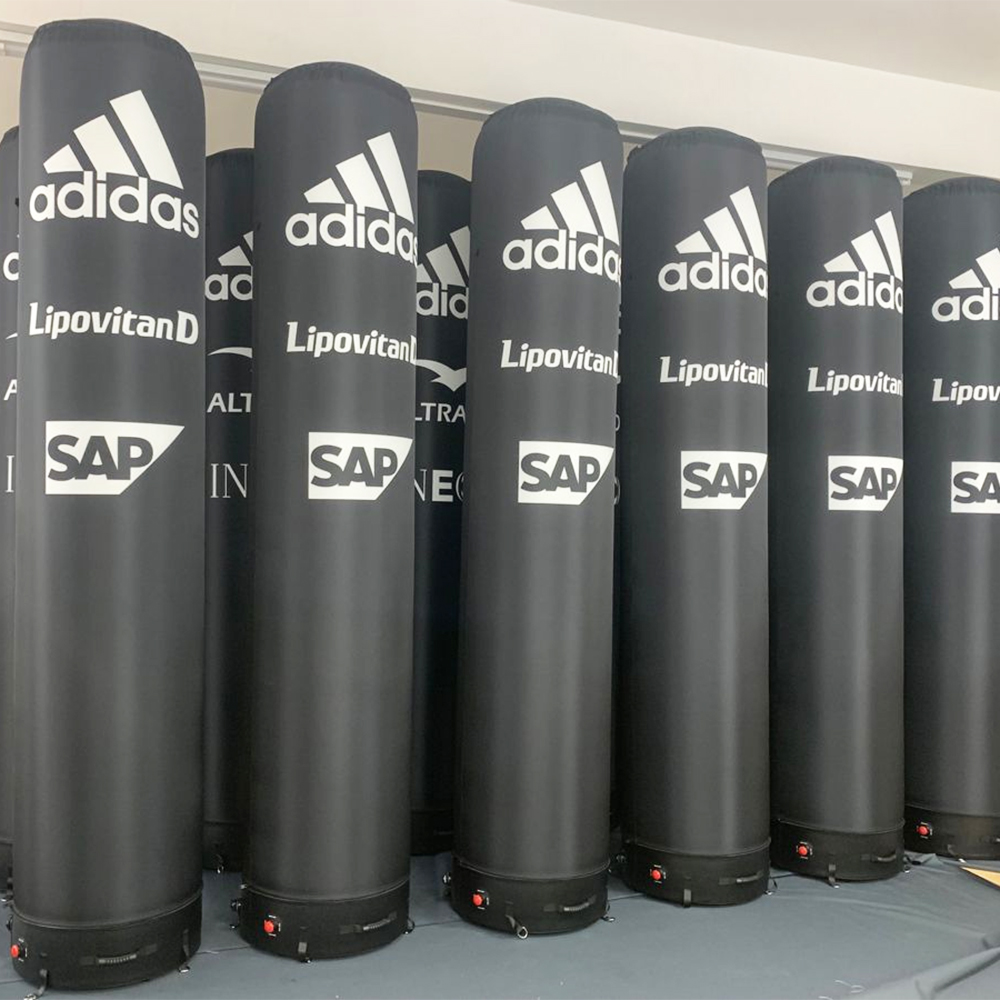
From architectural entrance arches and display pavilions to inflatable lounge systems and promotional columns—complete equipment setups for street markets and private parties.