Leave Your Message
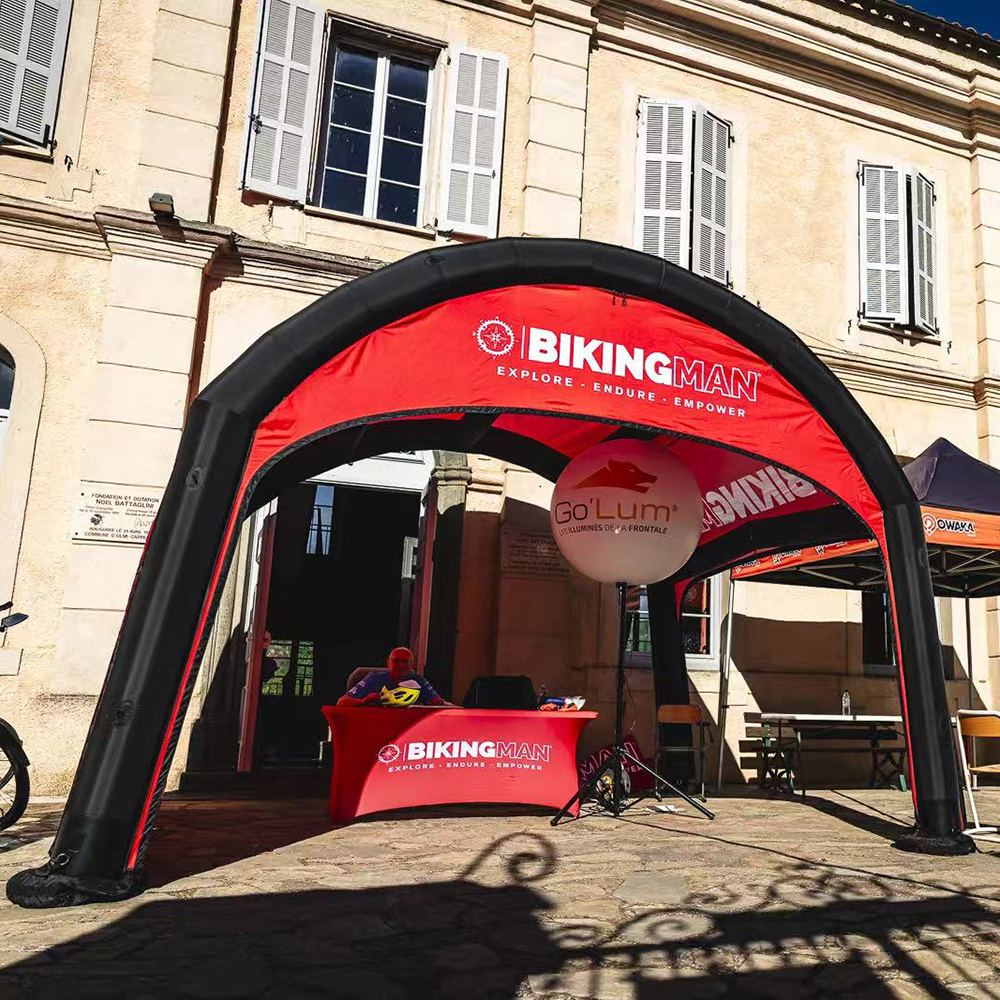
The global automotive industry is undergoing its most radical transformation in a century. With the rapid transition to electric vehicles (EVs), autonomous driving technology, and software-defined platforms, car manufacturers are no longer just selling transport; they are selling a lifestyle, tech ecosystem, and future vision. Consequently, traditional showroom launches and static dealership displays are no longer sufficient to capture consumer imagination. Modern automotive marketing demands dynamic, highly engaging, and geographically flexible solutions—enter the inflatable tent for automotive product launch roadshows.
Roadshows allow automotive brands to bypass traditional retail barriers and bring their latest models directly to target demographics—whether in bustling city plazas, remote mountain passes for off-road demonstrations, or high-profile tech festivals. To support these fast-paced, multi-location campaigns, event planners are transitioning away from heavy, labor-intensive steel truss structures and opting for advanced pneumatic structures. These next-generation inflatable pavilions provide the structural integrity, visual grandiosity, and logistical agility required to execute flawless experiential marketing campaigns.
Industry Insight: Modern automotive experiential marketing campaigns require structures that can be deployed in under two hours, feature high wind resistance, and deliver an immersive environment that matches the futuristic aesthetic of modern Electric Vehicles (EVs).
Unlike traditional internal combustion engine (ICE) vehicles, EVs require significant consumer education. Car buyers need to understand battery range, charging infrastructure, and regenerative braking. Inflatable pavilions act as temporary education hubs where brands can set up interactive VR displays, charging simulators, and cozy VIP consultation lounges. The modular nature of inflatable architecture allows brands to scale their footprint depending on the venue size, from a compact single-vehicle display to a massive multi-dome brand village.
Sustainability is a core pillar for modern automotive manufacturers, especially those promoting eco-friendly vehicles. Transporting tons of steel and wood framing across multiple cities generates a massive carbon footprint and incurs astronomical shipping costs. Inflatable event tents, particularly airtight (sealed air) systems, can be deflated, folded down, and transported in the back of a standard support van or even the trunk of the launch vehicle itself. This drastically reduces transportation emissions, logistics costs, and the size of the setup crew required, aligning perfectly with corporate ESG (Environmental, Social, and Governance) targets.
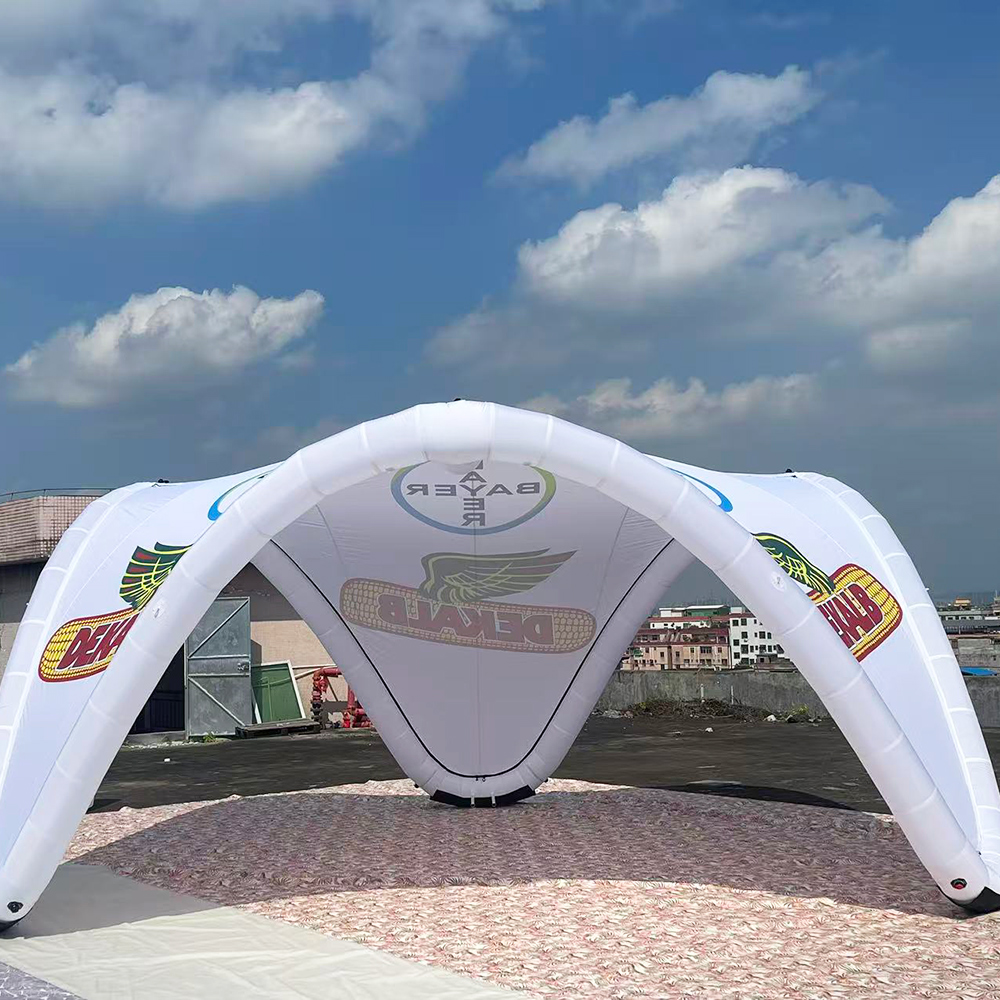
Automotive design is characterized by sleek lines, aerodynamic curves, and futuristic textures. Traditional boxy pop-up marquees often clash with this design language. Advanced geometric inflatable tents, such as V-tents and multi-leg spider domes, mimic the organic, fluid shapes of modern concept cars. Illuminated with internal LED systems and custom projection mapping, these structures become glowing landmarks that naturally draw crowds and generate high social media engagement.
In high-foot-traffic metropolitan plazas, space and time are highly restricted. City permits often allow only a few hours for setup and teardown, and anchoring stakes cannot be driven into concrete surfaces. An airtight inflatable dome is the perfect solution. Inflated using silent high-pressure pumps and secured with internal water or sand balasts, the structure can be fully operational in less than 45 minutes. Its enclosed design allows automotive brands to control the lighting environment, creating a high-contrast, dramatic vehicle reveal ceremony complete with laser shows and high-fidelity sound systems.
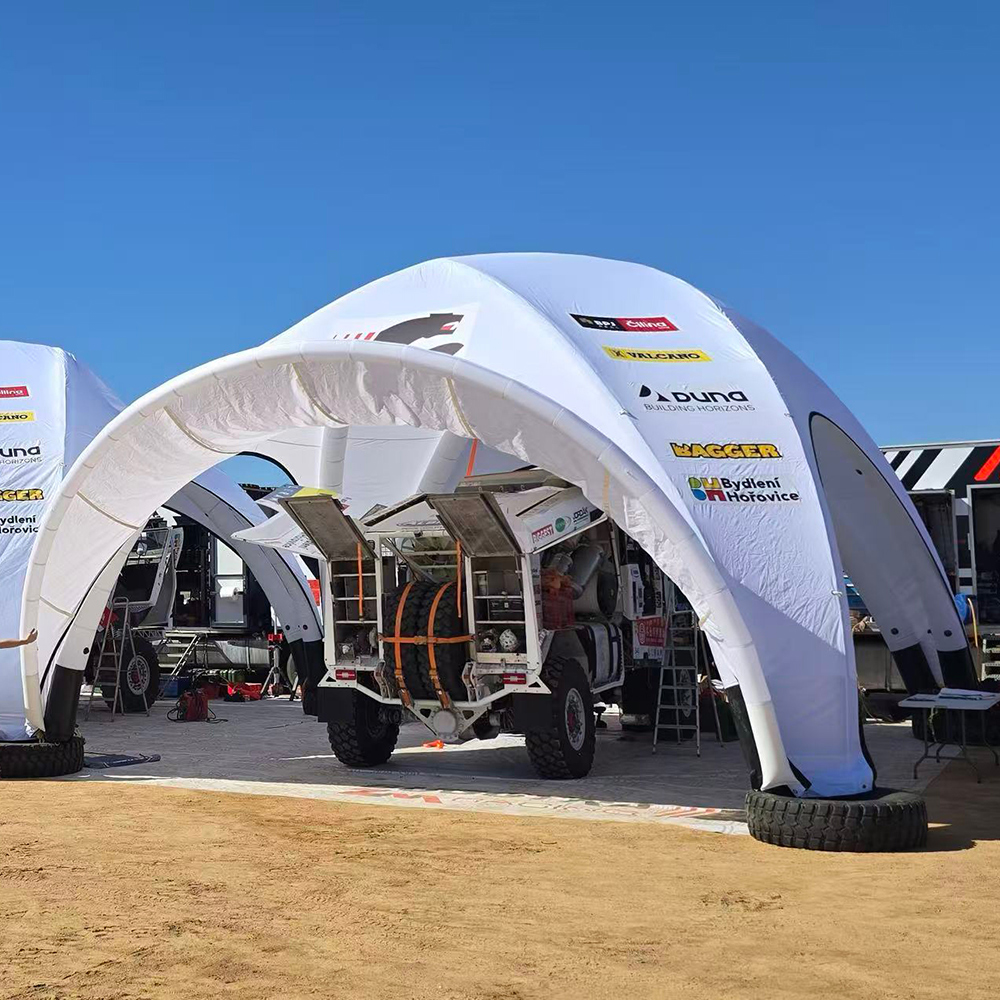
For SUV and utility vehicle launches, brands often host roadshows in rugged, off-grid environments—such as deserts, forest trails, or snowy mountain resorts. These locations present harsh weather conditions, including high winds, dust, and precipitation. High-quality inflatable tents built with heavy-duty TPU or reinforced PVC skins are engineered to withstand wind speeds of up to 50 mph. Unlike metal frames that can bend or collapse under pressure, pneumatic tubes are flexible and naturally absorb wind energy, ensuring a safe shelter for staff, guests, and expensive display assets.
When executing a concurrent multi-city roadshow, consistency and speed are critical. Having a standardized, brand-customized inflatable kit allows local marketing teams to deploy identical brand spaces across ten different cities simultaneously. The simplicity of the setup ensures that local agency partners do not require specialized construction crews, minimizing human error and ensuring brand presentation guidelines are met at every stop.
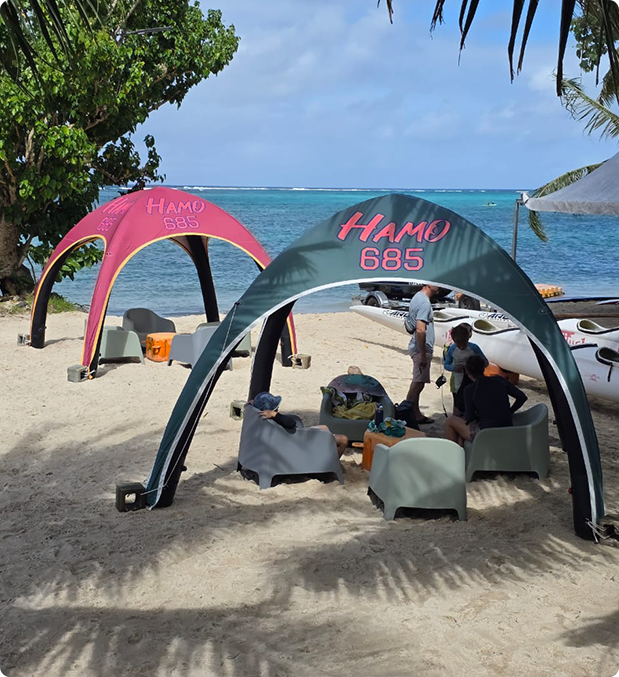
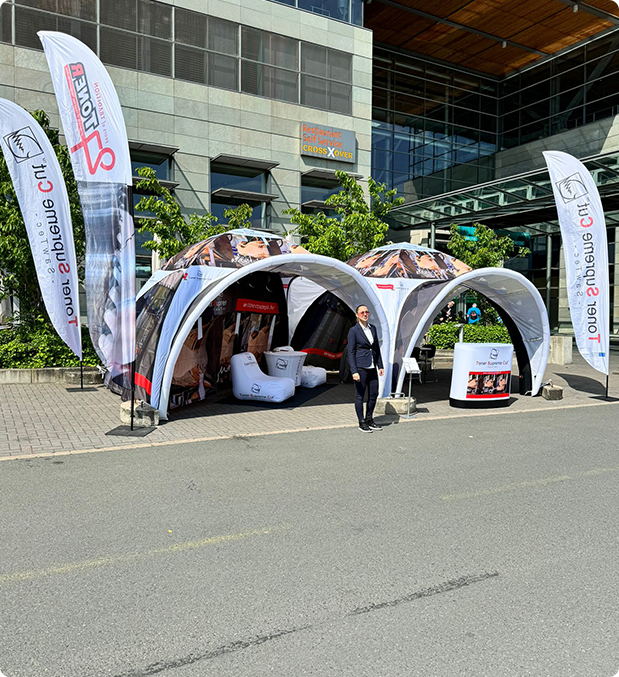

Years of experience in inflatable advertising products and outdoor event equipment. In-house manufacturing with skilled workers, standardized processes, and strict quality inspection.

Strong OEM & ODM capability, supporting logo printing, custom colors, materials, and structures. On-site after-sales support can be arranged abroad.

Eco-conscious production approach, using durable, reusable materials and environmentally responsible printing processes to reduce waste.
To ensure a premium representation of automotive engineering, the inflatable tents used for these launch events must meet rigorous industrial standards. Here is an overview of the key technological advancements that make our structures the leading choice for automotive brands:
Our premium automotive tents utilize constant pressure (airtight) technology. Unlike basic promotional inflatables that require a continuously running blower, airtight tents are inflated once and can remain fully erect for days without needing power. This eliminates the persistent hum of electric blowers, creating a silent, premium environment inside the tent—perfect for executive speeches, customer interactions, and media interviews. Additionally, it removes the risk of sudden deflation in the event of a localized power outage.
The structural columns of our tents are manufactured using high-tensile, commercial-grade PVC or TPU tarpaulins. These materials are treated to be UV-resistant, flame-retardant (meeting global standards such as B1 and M2), and fully waterproof. The outer canopy can be customized with high-definition, dye-sublimation printing, ensuring that brand colors are rendered with absolute fidelity and remain vibrant under direct sunlight.
Every automotive launch has unique spatial requirements. Our design department supports full structural customization. Tents can be fitted with clear PVC window panels, solid zippered doors, connection tunnels to link multiple domes, and internal mounting rings for heavy lighting rigs, sound systems, and product display banners. The ability to integrate hard flooring systems inside the tent ensures that heavy vehicles can be driven directly onto the display area without damaging the grass or ground underneath.
For marketing managers, budgetary efficiency is just as crucial as visual impact. When comparing our custom pneumatic structures to traditional aluminum or steel marquees, the cost-benefit analysis favors inflatables across several operational dimensions: