Leave Your Message
Discover our top-tier airtight structures optimized for rapid deployment, high-pressure stability, and premium branding at outdoor corporate gatherings.
When organizing outdoor corporate team-building events, structural reliability is paramount. Unlike standard home-use inflatables, commercial-grade airtight inflatable tents operate under strict mechanical principles. Understanding the science of inflatable tent air pressure is essential for event planners, structural engineers, and branding agencies alike. The pressure inside a sealed pneumatic column directly dictates its resistance to external loads, such as high-velocity winds, heavy rainfall, and thermal variations.
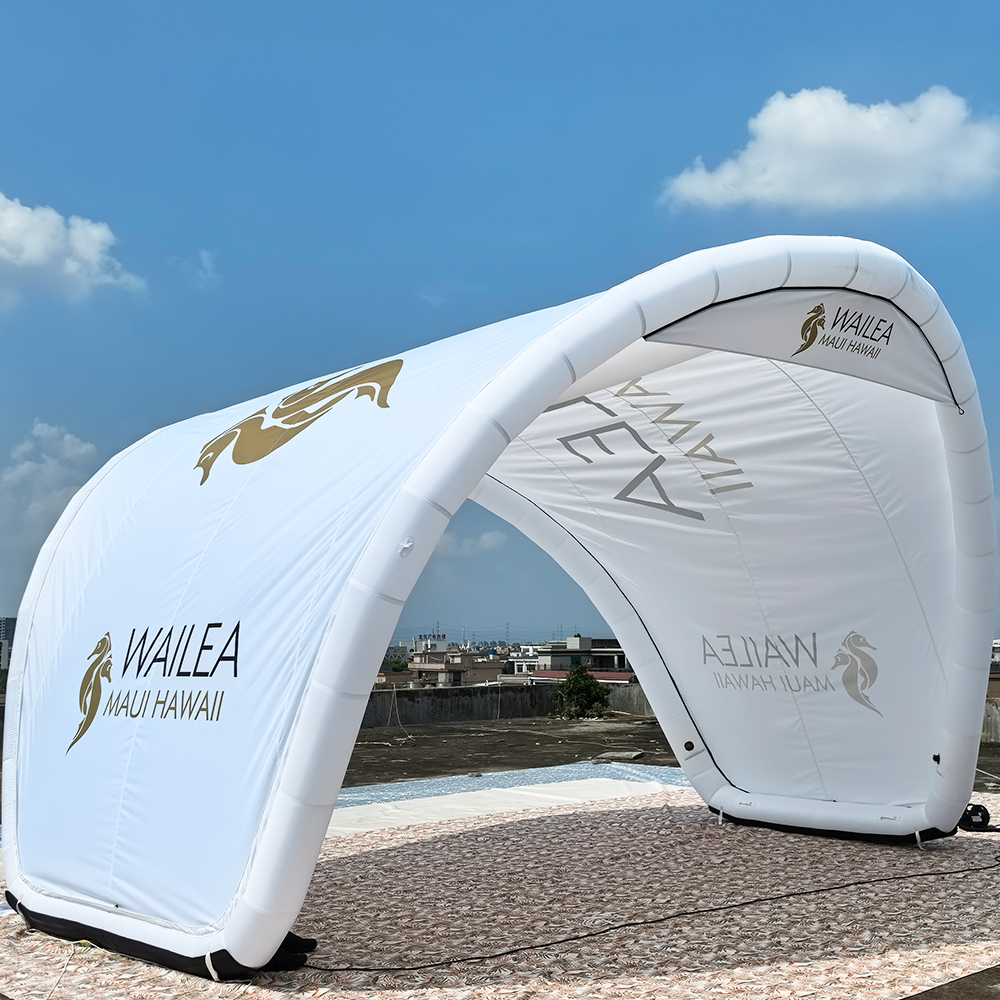
Pneumatic event structures are divided into two main categories: constant-airflow systems and sealed (airtight) systems. Sealed systems, which are the hallmark of luxury corporate installations, utilize high-pressure chambers made from Thermoplastic Polyurethane (TPU) or heavy-duty Polyvinyl Chloride (PVC). Once inflated to their designated pressure (typically ranging between 4.0 to 8.0 PSI or 0.27 to 0.55 BAR), these structures require no continuous electrical power or noisy blowers. This silent operation makes them ideal for corporate presentations, outdoor lectures, and VIP networking hubs.
According to Gay-Lussac's Law (P₁/T₁ = P₂/T₂), the internal pressure of a sealed gas volume changes proportionally with its absolute temperature. A drop in temperature from a sunny afternoon (35°C / 95°F) to a cool evening (15°C / 59°F) can cause a noticeable reduction in internal air pressure. High-performance structures counteract this with over-engineered pressure-relief valves and high-tensile drop-stitch fabrics that maintain structural rigidity even during steep temperature fluctuations.
Proper calibration of the inflation pressure ensures that the geometric form of the tent remains perfectly stable. If the pressure is too low, the structure will buckle under wind shear; if the pressure is too high, the seams and fabric face excessive tensile stress, risking rupture. Therefore, modern commercial event solutions rely on precise pressure monitoring and automatic pressure-relief systems to guarantee safety throughout multi-day outdoor corporate summits.
The global corporate events industry is undergoing a massive shift toward experiential, outdoor-focused marketing. Traditional heavy metal truss systems and pole tents are increasingly being replaced by futuristic geometric designs. The reasons are clear: rapid deployment, lower transportation costs, and unmatched visual impact. The commercial market for high-pressure inflatable event tents is projected to grow significantly as companies seek zero-carbon footprint setups and versatile structures that can be deployed in diverse terrains—from sandy beaches to alpine meadows.
Technological advancements in material science have paved the way for more resilient structures. Double-Wall Fabric (DWF) and drop-stitch technology—originally developed for military inflatable boats—allow tents to hold much higher internal pressures (up to 15 PSI in specialized beams). This enables thinner, sleeker structural arches that match the load-bearing capacity of traditional aluminum frames. Furthermore, the integration of smart IoT-enabled inflation systems ensures that the internal air pressure of massive domes is monitored and adjusted dynamically via mobile applications, ensuring absolute peace of mind for event operators.
Corporate team-building events are no longer restricted to hotel conference rooms. Companies are taking their teams into the wild to foster leadership, creativity, and resilience. Let's explore how inflatable tent air pressure and structural engineering play a pivotal role in three distinct outdoor scenarios:
In high-altitude environments, atmospheric pressure is significantly lower than at sea level. When deploying an airtight inflatable tent at an elevation of 2,500 meters, the difference between the internal pressure of the tent and the external atmospheric pressure increases. If a tent is inflated at sea level and transported to altitude, the relative internal pressure will rise, potentially stressing the seams.
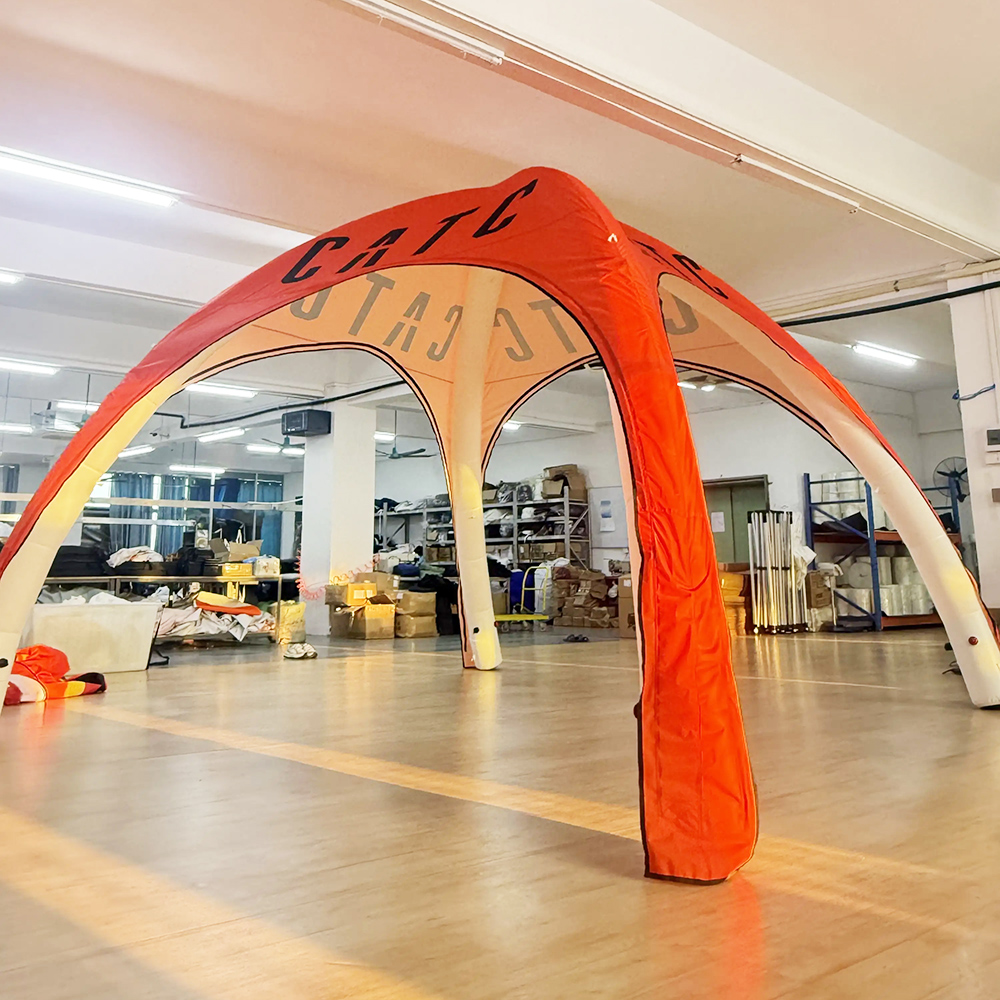
To counter this, CATC designs specialized pressure-management systems. Our modular yurt tents and spider domes feature adjustable pressure-release mechanisms that let out excess air as the altitude increases, ensuring that the structural frame remains stable and safe for corporate executives conducting strategy sessions in mountain environments.
Coastal environments present two main challenges: high wind speeds and intense, direct sunlight. When set up on a beach, a tent is subjected to strong sea breezes. A high internal air pressure (around 7-8 PSI) is critical to prevent the tent arches from bending under wind force.
Concurrently, direct solar radiation heats up the air inside the inflatable tubes, causing the pressure to spike during midday. CATC's advanced geometric structures, such as the U-Tent and X-Tent, employ heavy-duty heat-sealed seams and automatic venting valves that release air when pressure exceeds safe limits, and can be easily topped up in the evening when the air cools down and contracts.
For multi-day corporate bootcamps in remote forests or deserts, electricity is a scarce resource. Traditional blower-inflated tents are impractical due to the need for constant generators. Airtight, high-pressure tents are the only viable solution.
Once inflated with a manual or battery-powered pump on day one, these tents maintain their pressure and structural integrity for weeks. The airtight columns serve as insulating barriers, keeping the interior space cool during hot desert days and warm during freezing nights, providing a comfortable workspace for off-grid collaboration.
Dongguan Sky Luxury Outdoor Products Co., Ltd. is a professional manufacturer and solution provider specializing in inflatable advertising products and outdoor event equipment. Operating under our brand CATC, we focus on helping global brands, event organizers, and distributors create impactful outdoor marketing experiences through reliable products and thoughtful design.


Years of experience in inflatable advertising products and outdoor event equipment. In-house manufacturing with skilled workers, standardized processes, and strict quality inspection.

Strong OEM & ODM capability, supporting logo printing, custom colors, materials, and structures. On-site after-sales support can be arranged abroad.

Eco-conscious production approach, using durable, reusable materials and environmentally responsible printing processes to reduce waste.
To ensure the absolute safety of attendees during corporate outdoor events, event managers must adhere to a standardized pneumatic protocol. Setting up an airtight tent goes beyond simple inflation; it requires continuous environmental monitoring and structural checks. Below is the operational checklist recommended by the CATC engineering team:
Always inflate the structure on a clean, protective ground sheet to prevent punctures from sharp gravel or twigs. Use a high-capacity electric pump equipped with an integrated pressure gauge. Inflate the main support beams to the manufacturer-specified pressure. For standard weather conditions, 5.0 to 6.5 PSI is the optimal operating range. Once the target pressure is reached, inspect the airtight valves and secure the dust caps tightly to prevent micro-leaks.
For multi-day events, check the pressure at three key intervals: early morning (lowest temperature), mid-afternoon (highest temperature), and late evening. If the tent feels soft in the morning, it is likely due to thermal contraction, not a leak. Do not immediately inflate it to maximum capacity, as the rising sun will naturally expand the air and increase the internal pressure. If the pressure exceeds 8.5 PSI during peak heat, manually vent a small amount of air through the pressure-relief valve to prevent stress on the seams.
An inflatable tent's wind resistance is directly tied to its internal air pressure. A fully pressurized tent acts as a solid dome, deflecting wind around its aerodynamic profile. However, if the pressure drops, the structure loses its geometric rigidity, allowing wind to catch the flat surfaces and create lift. Always combine optimal air pressure with heavy-duty anchoring systems, including sandbags, water weights, or steel ground stakes, especially when deploying on open fields or coastal shores.
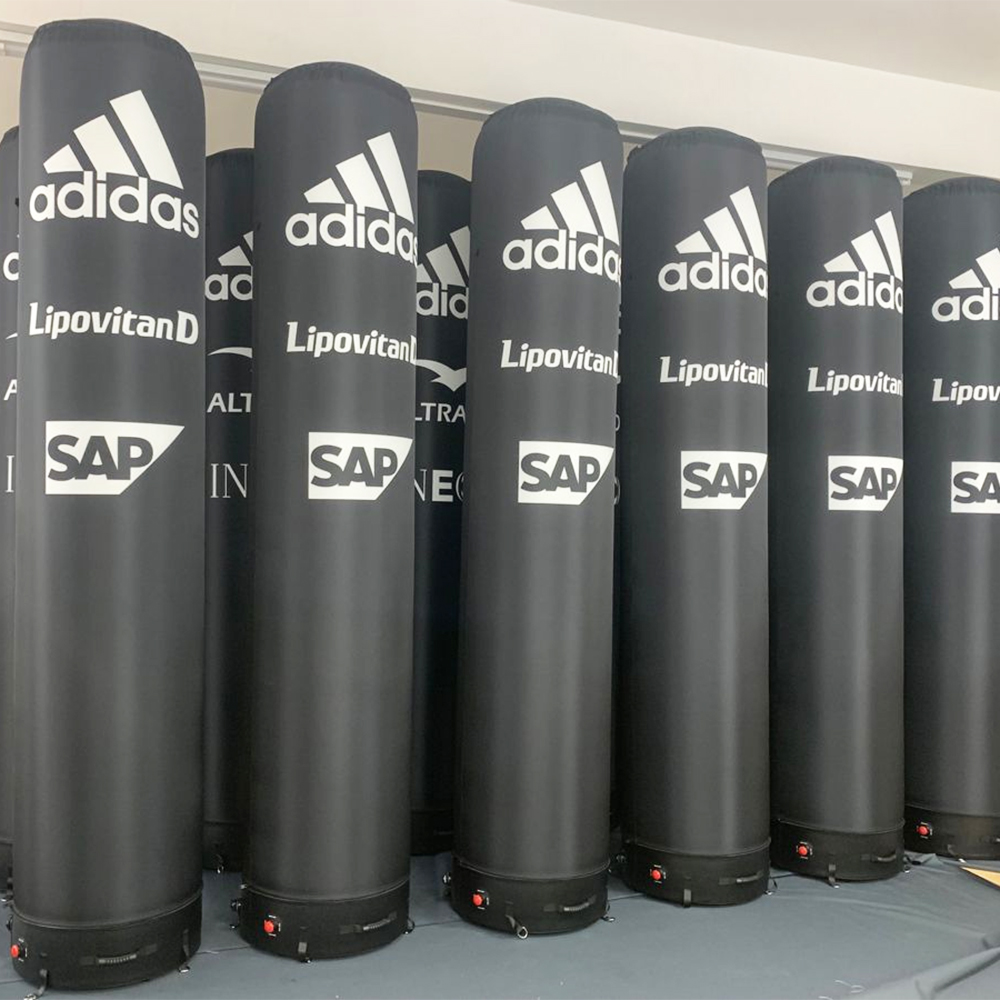
From high-pressure branding pillars to giant modular exhibition domes, explore our complete catalog engineered for professional outdoor settings.