Leave Your Message
Deploy rapid, airtight structures optimized for high-pressure performance in extreme outdoor environments. Engineered to protect your premium assets.
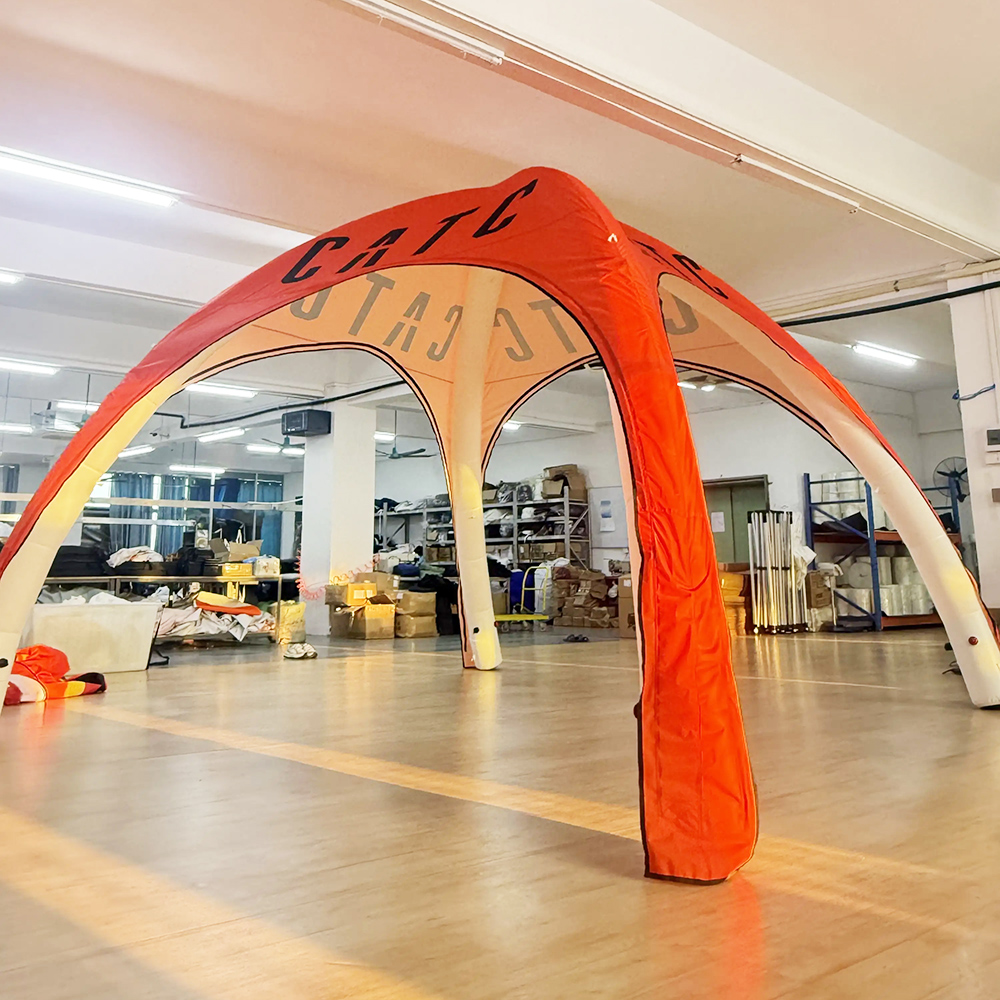
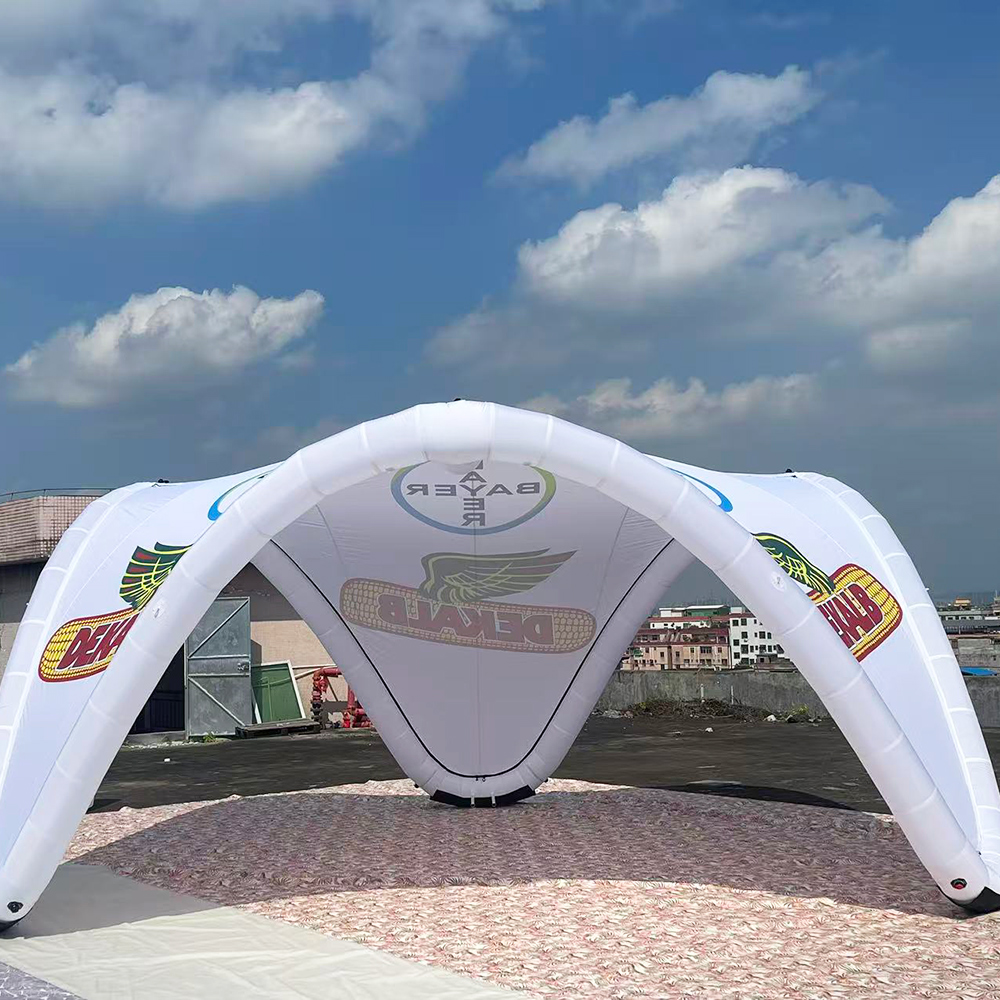
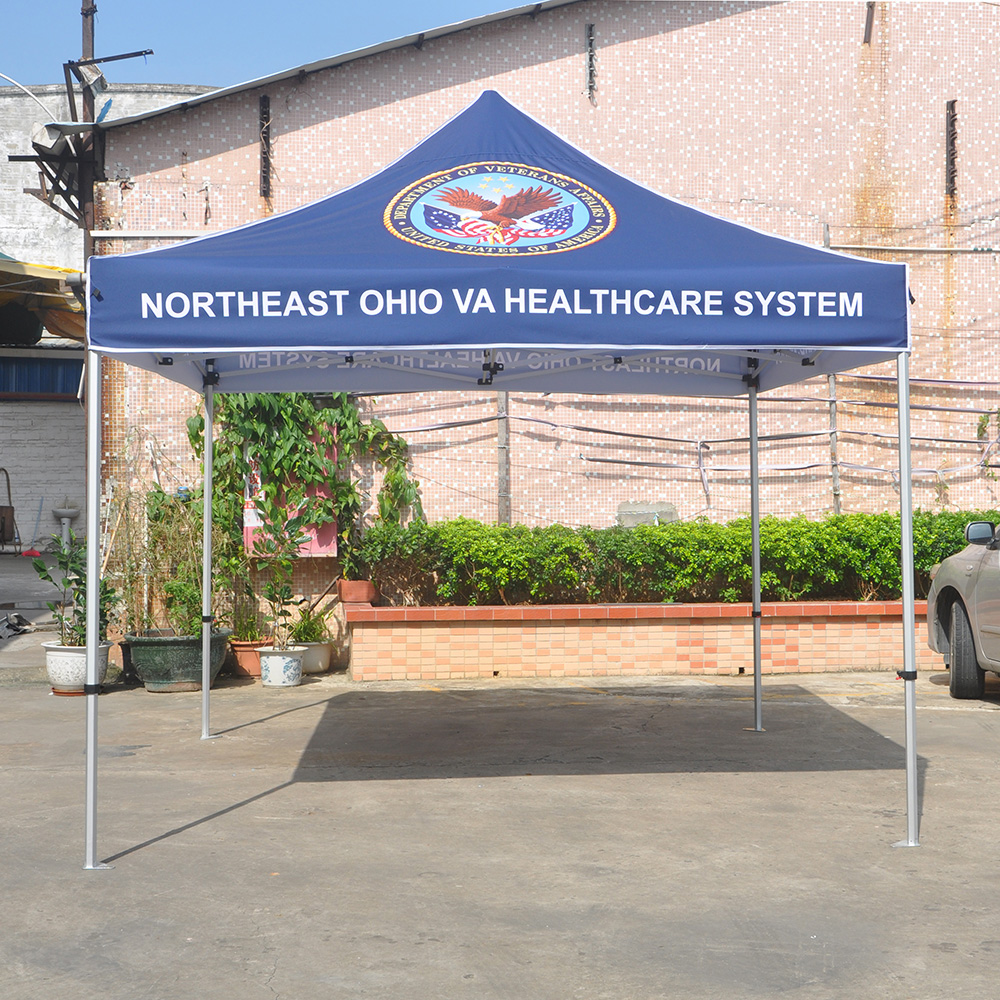
In the highly competitive automotive market, product launches and roadshows are critical touchpoints for engaging dealerships, media, and prospective buyers. Historically, setting up these multi-city tours required transporting heavy, rigid steel or aluminum truss systems. This classic approach not only incurred high logistics costs but also prolonged setup times, limiting a brand's agility. Today, the global automotive marketing sector is undergoing a massive paradigm shift toward airtight inflatable tents.
At the center of this technological leap is inflatable tent air pressure management. Unlike consumer-grade camping inflatables, industrial-grade automotive launch structures rely on sophisticated high-pressure airtight beams. By maintaining optimal internal pressure, these structures achieve the rigidity, load-bearing capability, and wind resistance of traditional solid frames while offering unparalleled portability. As automotive brands transition to electric vehicles (EVs) and smart mobility, the architecture of their roadshows must reflect this futuristic, high-tech identity.
In structural engineering, the stability of an inflatable beam is directly proportional to its internal air pressure. Low-pressure tents (inflated via continuous blowers) are prone to buckling under heavy wind loads. In contrast, modern airtight systems operate at higher PSI levels, creating structural columns that can support heavy light rigs, LED screens, and withstand wind gusts of up to 60 mph. This structural integrity is vital when showcasing million-dollar prototype vehicles in unpredictable outdoor environments.
Deploying inflatable structures for automotive roadshows requires a deep understanding of atmospheric physics and material science. To ensure the safety of the public and the vehicles inside, engineers must monitor and manage pressure variations caused by environmental factors.
Most commercial airtight tents utilize high-frequency welded Thermoplastic Polyurethane (TPU) or heavy-duty PVC tarpaulin air chambers. The operating pressure typically ranges between 2.5 PSI (0.17 Bar) to 8.0 PSI (0.55 Bar) depending on the span of the tent. Larger geometric pavilions, such as the V-Tent or X-Tent series, require higher pressure thresholds to maintain their geometric stability over wide spans without sagging.
Outdoor roadshows subject tents to drastic temperature swings. According to Charles's Law, the volume of a gas is directly proportional to its absolute temperature at constant pressure. In a sealed airtight chamber, volume is fixed, meaning temperature changes directly affect the internal pressure:
To mitigate these risks, premium automotive roadshow tents are equipped with automatic overpressure relief valves. These mechanical valves automatically vent air when the pressure exceeds a safe threshold (e.g., 4.5 PSI), preventing catastrophic failure. Conversely, smart inflation systems can automatically top up air if the pressure drops below the minimum safe threshold during cold nights.
Dongguan Sky Luxury Outdoor Products Co., Ltd. is a professional manufacturer and solution provider specializing in inflatable advertising products and outdoor event equipment. Operating under our brand CATC, we focus on helping global brands, event organizers, and distributors create impactful outdoor marketing experiences through reliable products and thoughtful design.
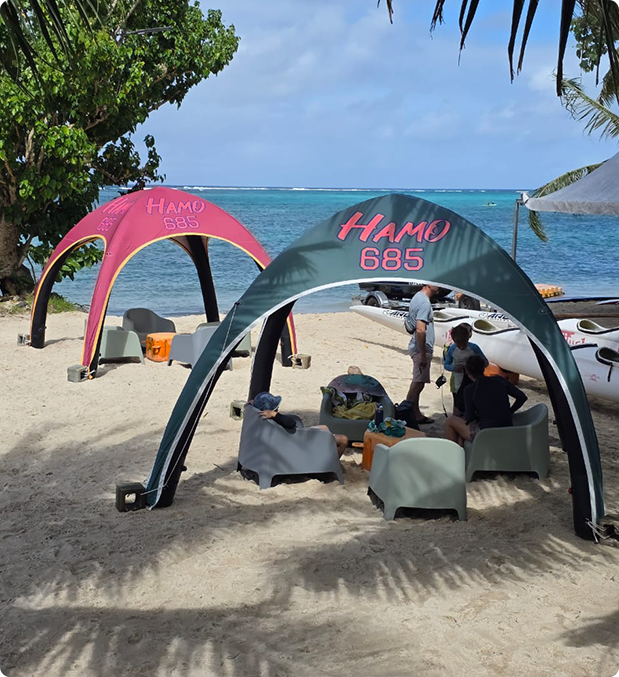
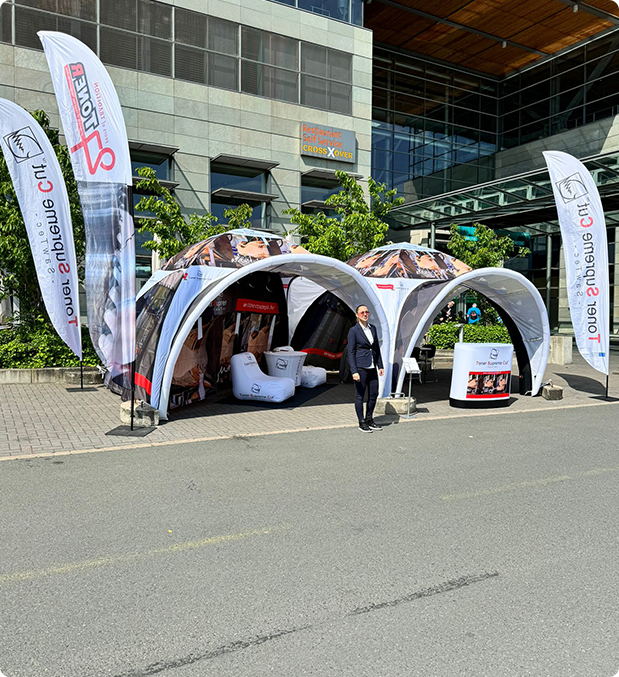
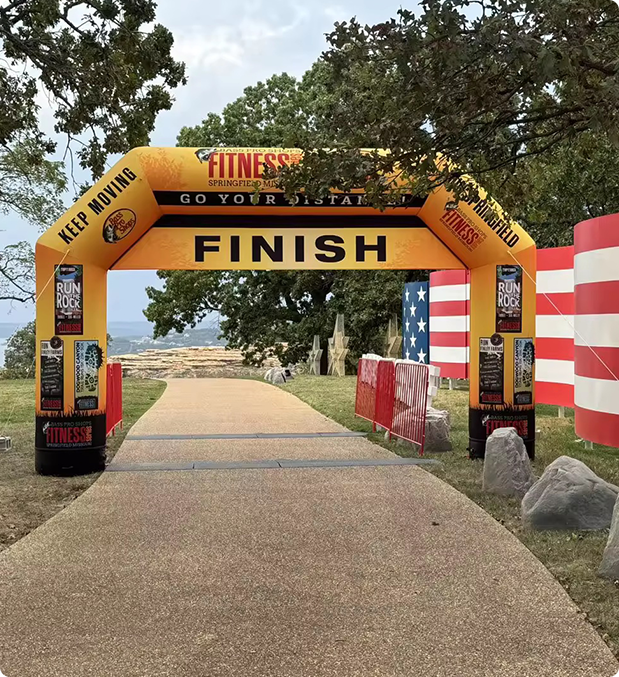
Automotive product launches are no longer simple static displays; they are immersive, experiential events. Here is how modern inflatable tents, governed by precise air pressure systems, are utilized to create high-impact experiences:
For electric vehicles with advanced LED lighting signatures, interior ambient lighting, and high-tech infotainment screens, outdoor launches in bright daylight can dull the visual impact. Brands use high-pressure, light-blocking geodesic inflatable domes to create a "darkroom" environment. The high internal air pressure ensures that the dome remains perfectly spherical without internal poles or support beams blocking the view, allowing for 360-degree projection mapping and laser shows during the vehicle reveal.
Some roadshows feature interactive test drives where consumers drive the vehicle through various simulated environments. High-pressure inflatable arches and tunnels are used to construct these courses. Because these structures rely on airtight pressure, they do not require loud, continuous blowers that disrupt the audio experience of the event or interfere with video recordings.
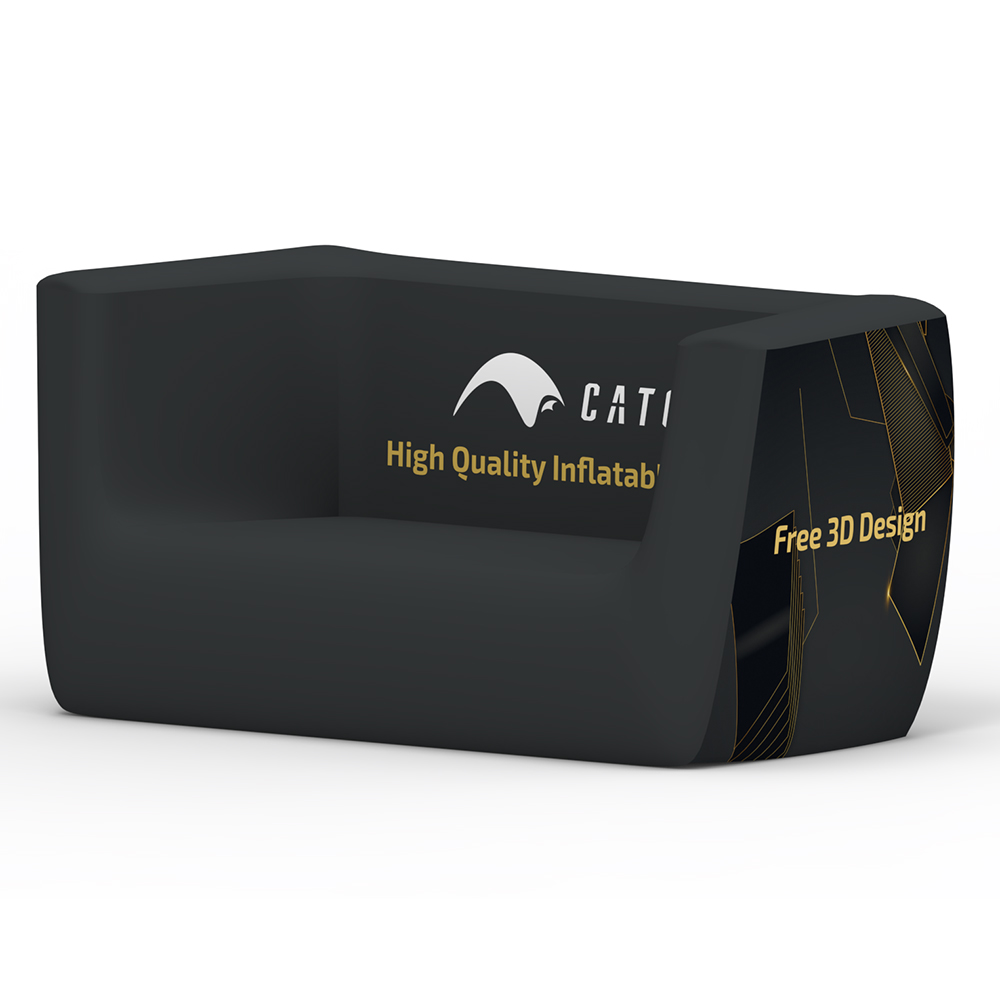
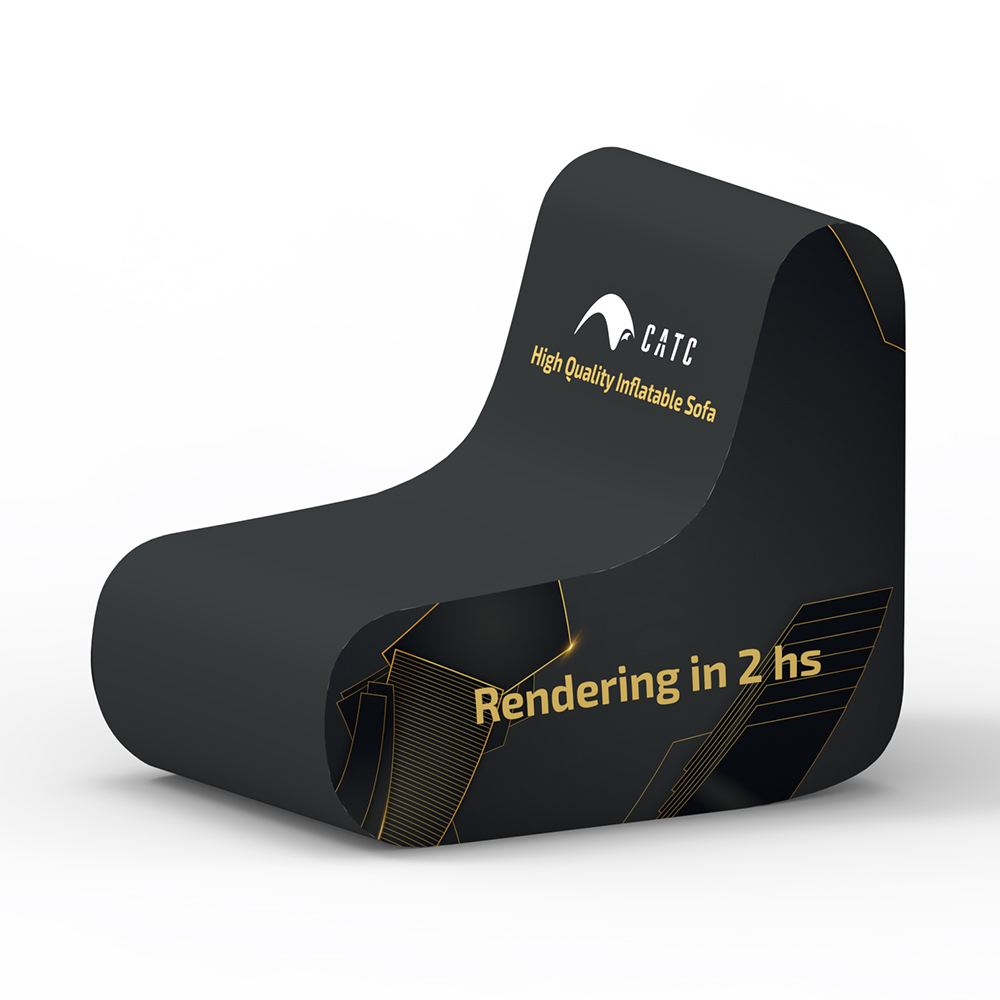
Creating a premium space for VIP buyers and media is essential. Using matching airtight inflatable furniture, such as the Inflatable Lounge Chair and Double-Seat Sofa, creates a cohesive, ultra-modern aesthetic. These seating solutions can be inflated to precise firmness levels, matching the ergonomic comfort of traditional furniture while being transportable in a fraction of the space.
Providing premium, engineered inflatable event architecture designed to withstand the elements and deliver flawless brand experiences worldwide.

Years of experience in inflatable advertising products and outdoor event equipment. In-house manufacturing with skilled workers, standardized processes, and strict quality inspection.

Strong OEM & ODM capability, supporting logo printing, custom colors, materials, and structures. On-site after-sales support can be arranged abroad.

Eco-conscious production approach, using durable, reusable materials and environmentally responsible printing processes to reduce waste.
As the event industry moves toward carbon neutrality, the tools used to create these experiences must adapt. The integration of high-pressure inflatable structures aligns perfectly with these sustainability goals:
Explore our full suite of high-pressure airtight structures and modern event lounge furniture optimized for premium automotive roadshows.