


Hot Products



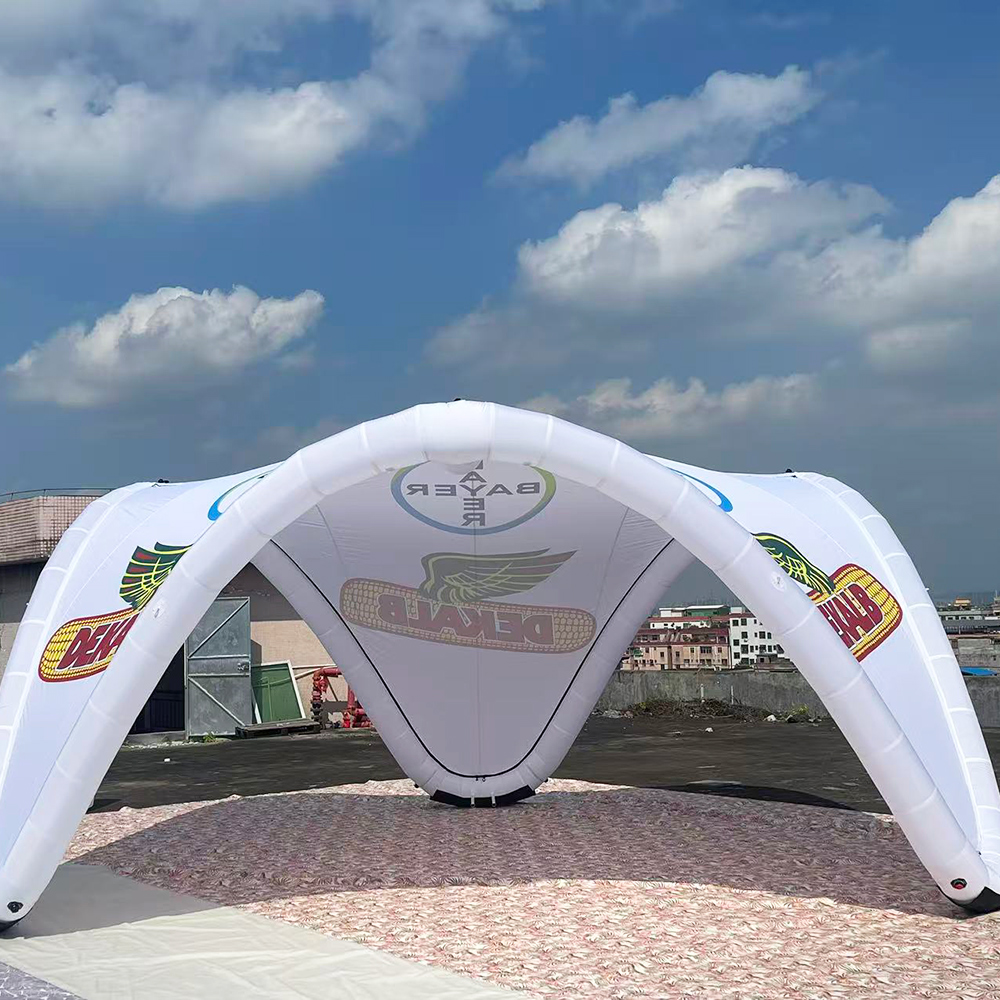

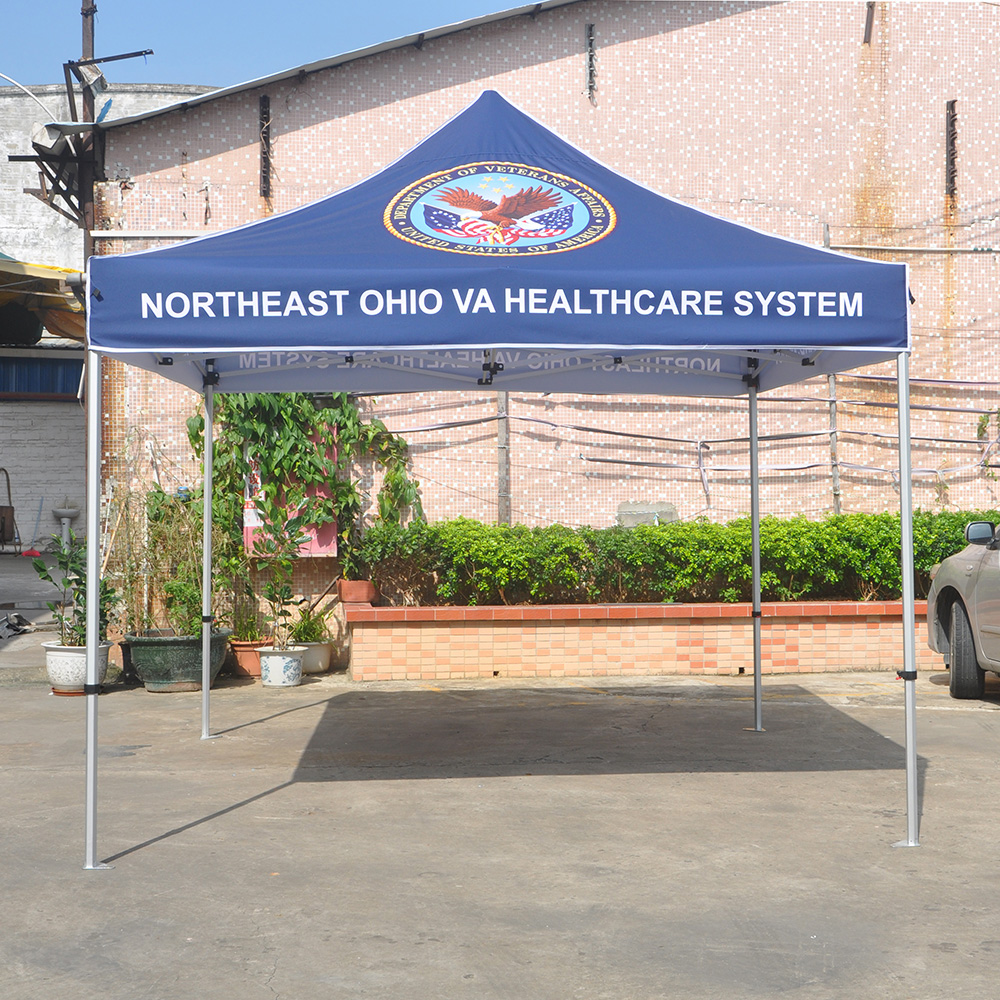
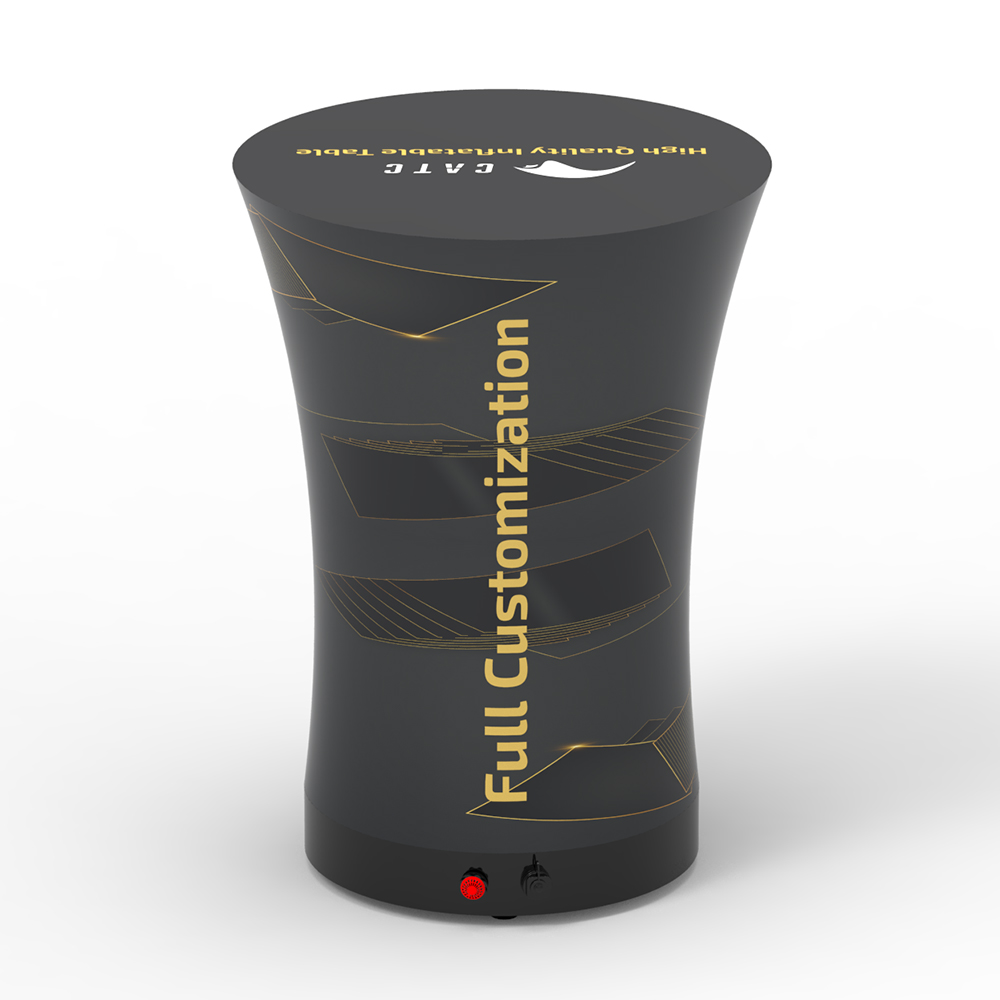

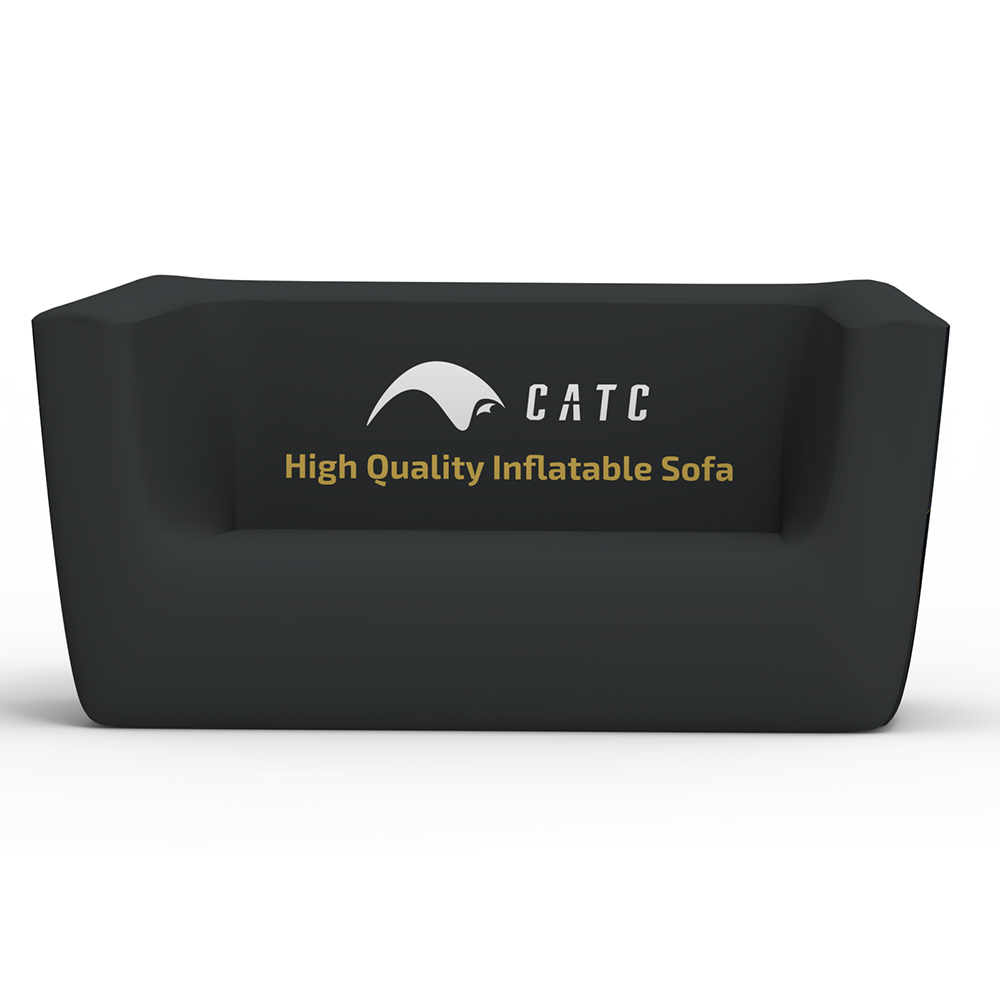
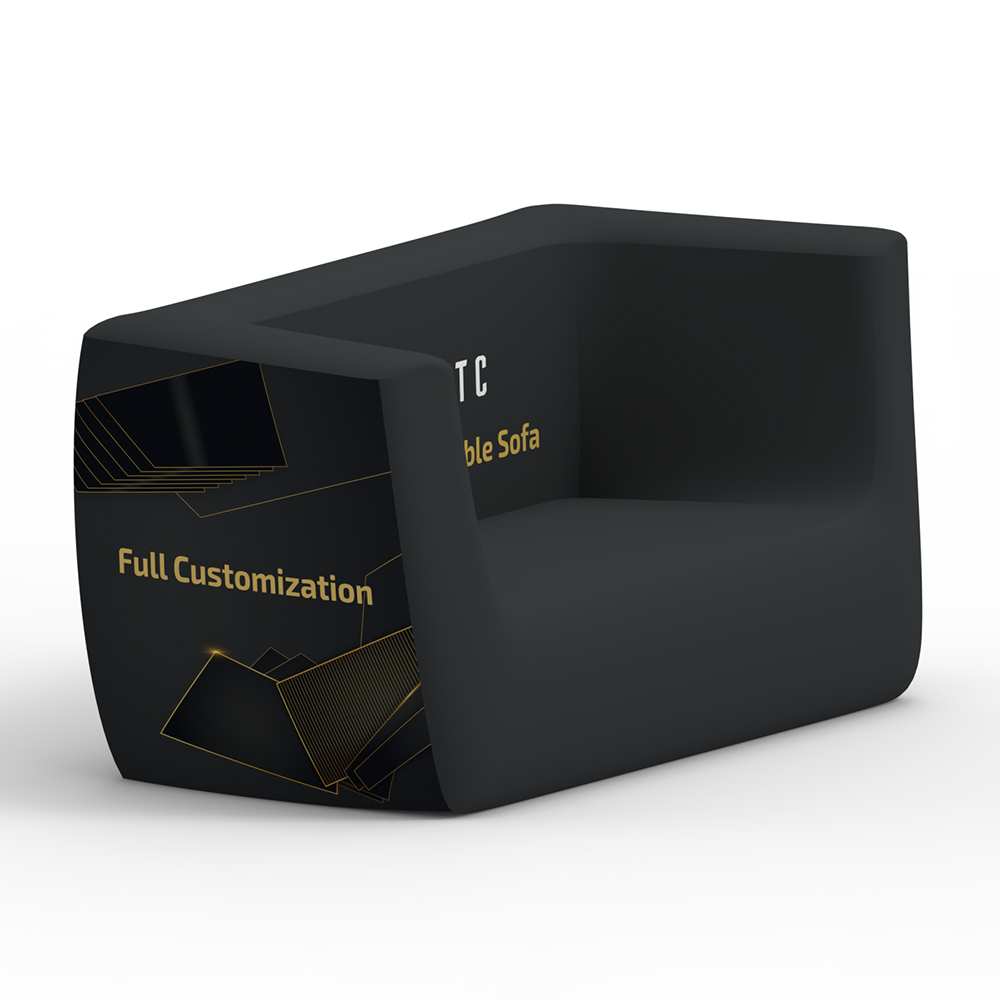
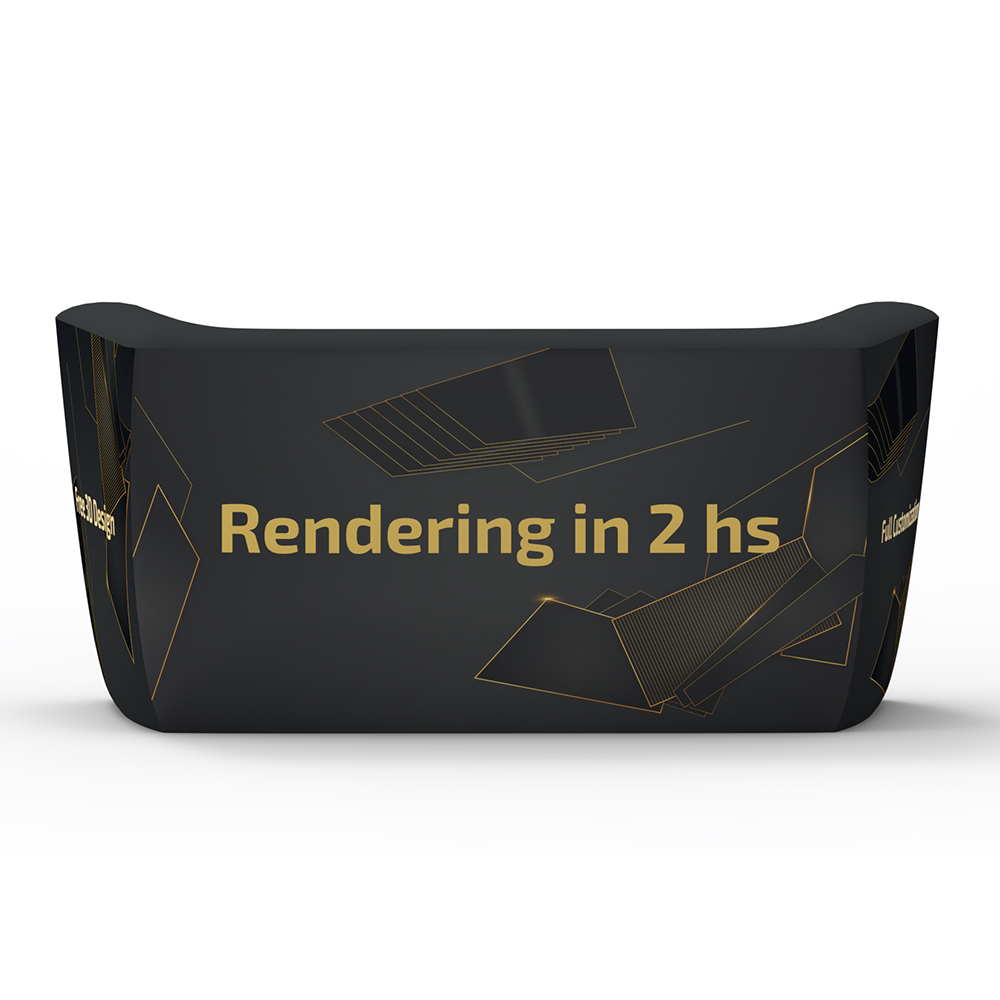
Inflatable Double-Seat Sofa - Premium Lounge Comfort by China Suppliers and Factory for Events
Optimizing Web Design for Search Engines
Creating a successful website requires a strategic balance between visual design and search engine optimization. By structuring your content logically and utilizing modern layouts, you improve both user engagement and search engine indexability.
Key SEO Factor
Ensure all elements are mobile-friendly and scale dynamically to prevent layout shifts on smaller screens.
Visual Asset Presentation


Integrated Media Elements
Frequently Asked Questions
What is the significance of responsive web design for SEO?
Responsive web design ensures that a website adapts seamlessly to any screen size. Search engines prioritize mobile-friendly sites, meaning responsive layouts directly improve search engine rankings and user satisfaction.
How do optimized images impact page loading speeds?
Properly scaled and compressed images reduce overall page size, which significantly decreases loading times. Fast-loading pages reduce bounce rates, a critical signal for search engine ranking algorithms.
Why should I avoid global CSS styles in code embeds?
Global CSS styles can conflict with the hosting website's theme, causing broken layouts. Using uniquely prefixed classes ensures that style rules remain scoped only to your specific content block.
What is the benefit of using SVG icons for key highlights?
SVG icons are resolution-independent, meaning they look crisp on any screen density. They also load faster than image files and can be easily styled using CSS, enhancing visual hierarchy.
How does structured semantic HTML improve search indexing?
Using semantic tags like headings, paragraphs, and lists allows search crawlers to quickly understand the structure and topic relevance of your content, leading to more accurate search result indexing.