



Hot Products
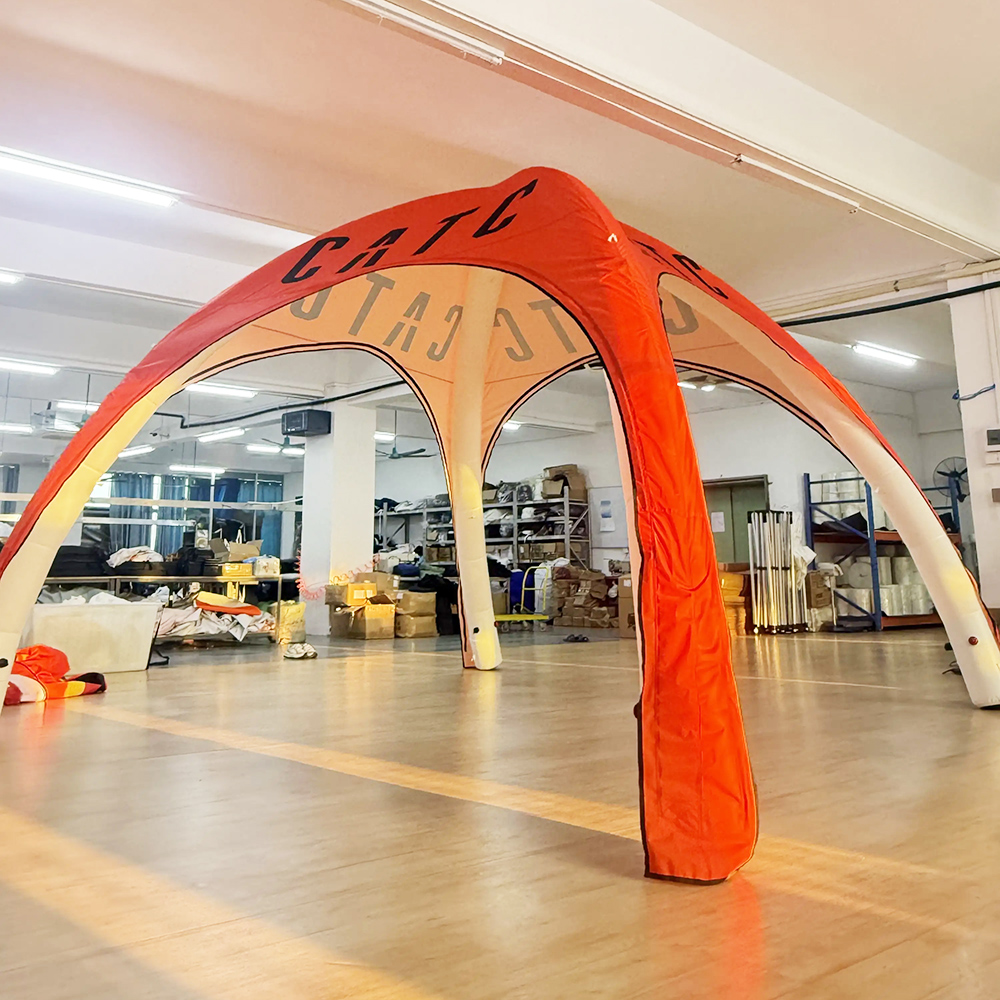
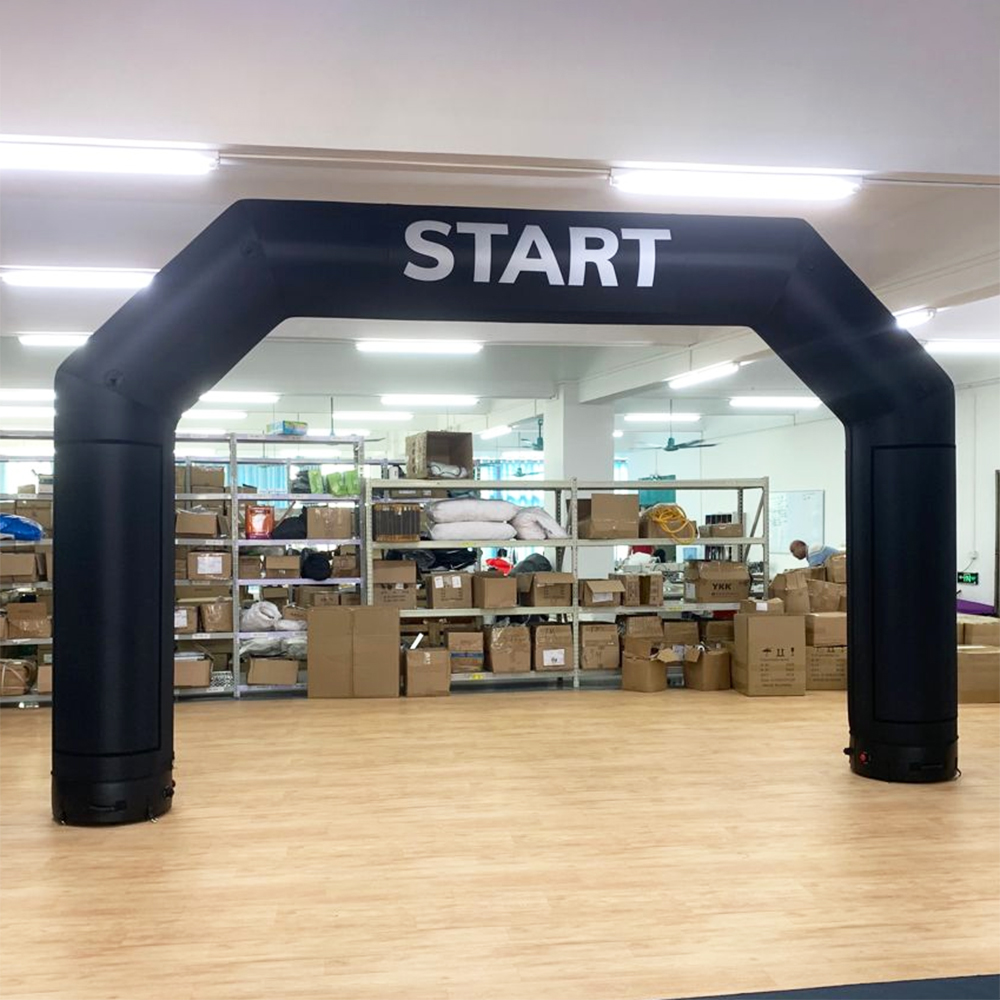






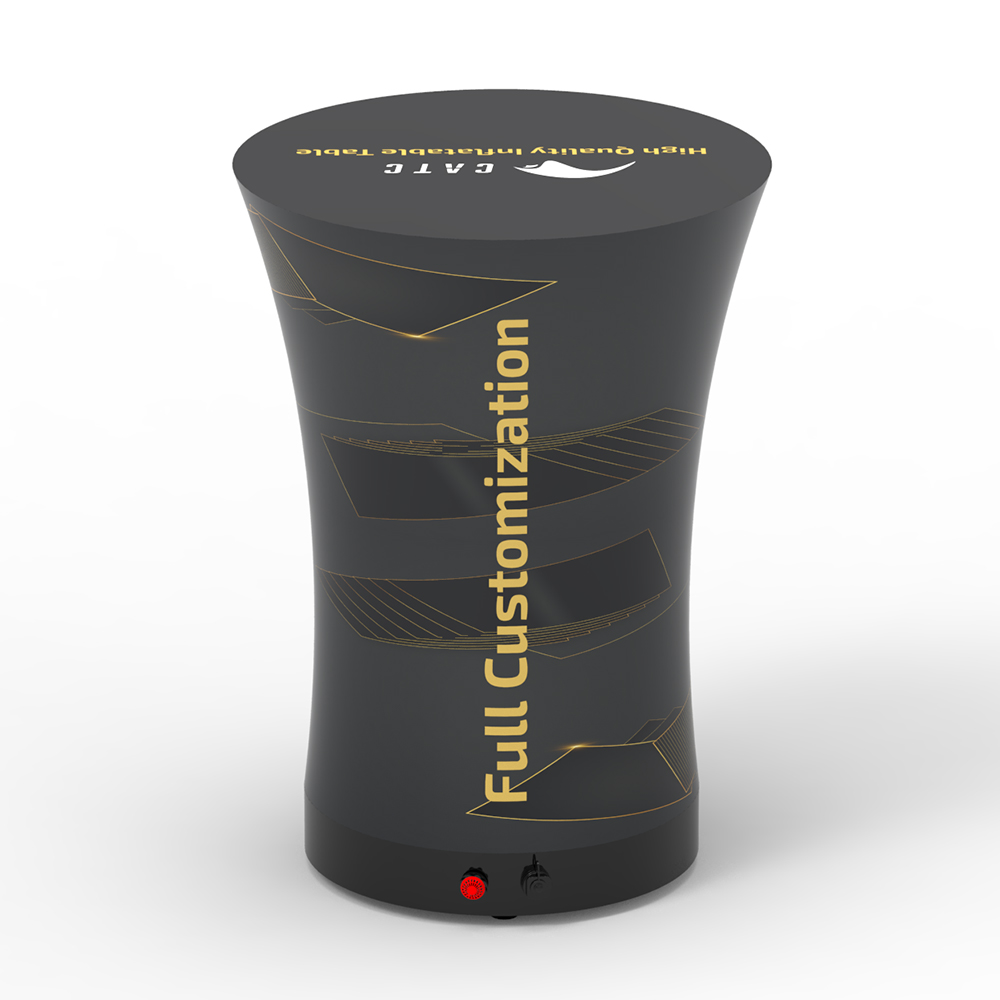


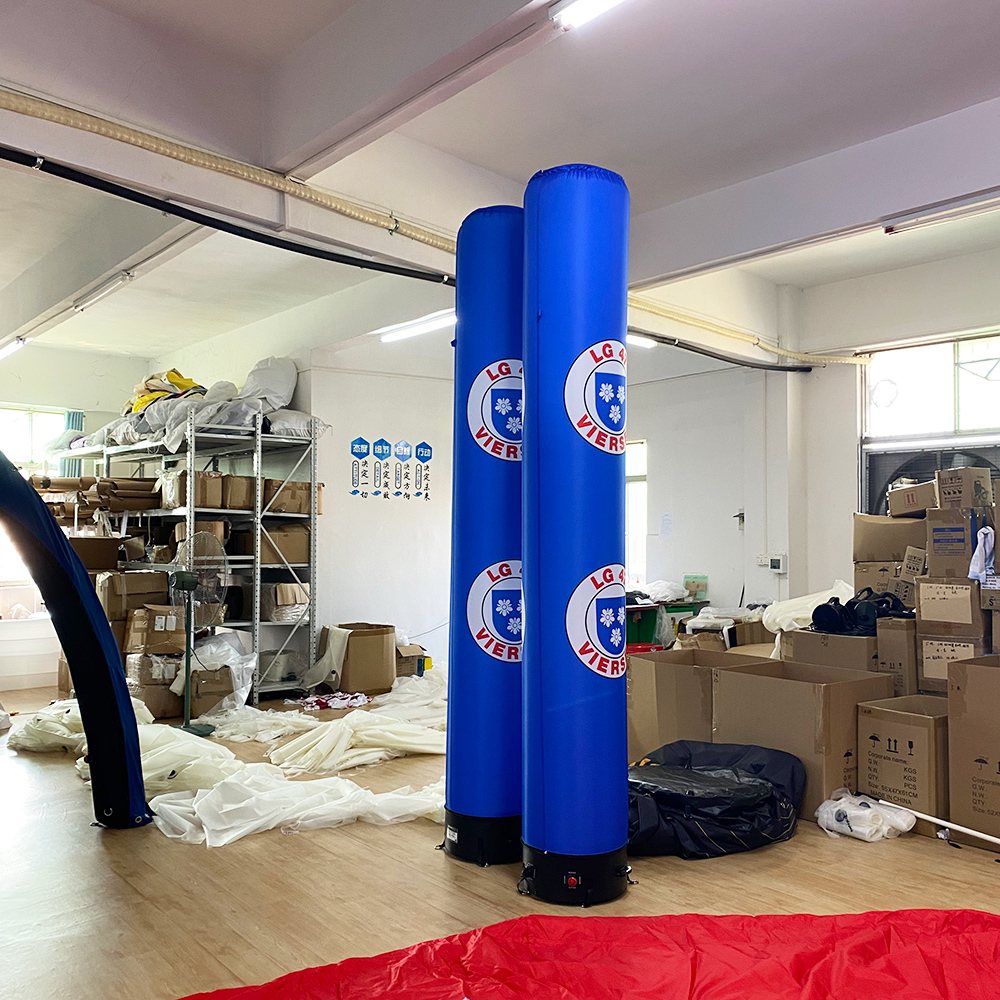
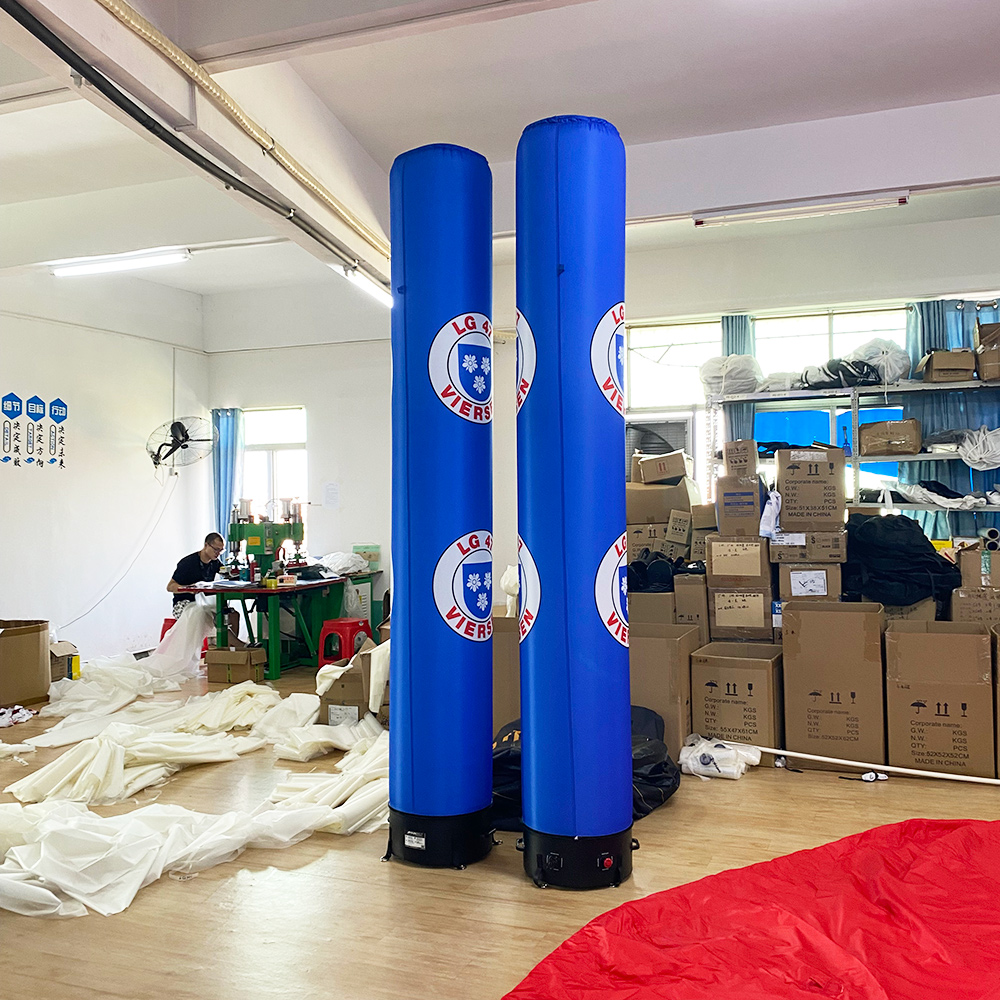


China Suppliers Factory 360° Branding Airtight Inflatable Column - Space-Saving Portable Advertising Pillar
Optimizing Modern Web Design for Search Engines
Creating a successful online presence requires a strategic balance between aesthetic web design and robust search engine optimization (SEO). By focusing on user experience, clean code structures, and responsive layouts, websites can achieve higher search rankings while keeping visitors engaged.
Mobile-First Layouts
Ensuring seamless navigation and fast load times across all mobile and tablet devices.
Speed Optimization
Minimizing code bloating and compressing assets to achieve lightning-fast loading speeds.
Semantic HTML Structures
Using clean, descriptive markup to help search engine crawlers understand your content.
Visual Assets Showcase
Below are visual examples demonstrating optimized layouts and design structures tailored for high conversion rates.


Video Guide & Walkthrough
Frequently Asked Questions
Why is mobile responsiveness critical for SEO?
Search engines like Google use mobile-first indexing, meaning they predominantly use the mobile version of the content for indexing and ranking. A responsive site ensures a consistent user experience across all devices.
How do uncompressed images impact search engine rankings?
Uncompressed images increase page load times significantly. Page speed is a direct ranking factor for Google, so slow-loading websites often experience lower search visibility and higher bounce rates.
What is the purpose of prefixing CSS classes in web design?
Prefixing CSS classes prevents naming conflicts between different stylesheets when integrating custom code blocks into pre-existing content management systems (CMS) or web templates.
How does structured heading hierarchy help search crawlers?
A logical heading hierarchy (using H2, H3, etc.) acts as an outline for search engines, helping them understand the main topics, subtopics, and overall context of your content.
Why should inline styles and global CSS overrides be avoided?
Global CSS overrides can break the layout of other elements on the page. Keeping styles modularized and scoped to specific parent containers prevents layout bugs and ensures visual consistency.