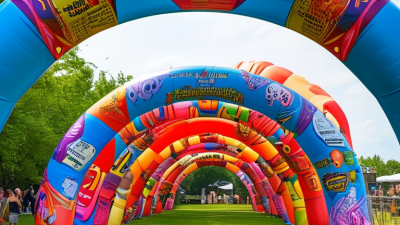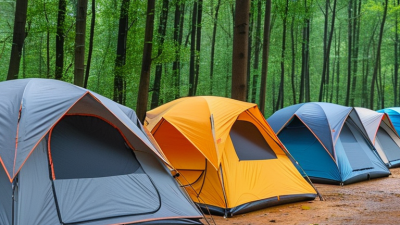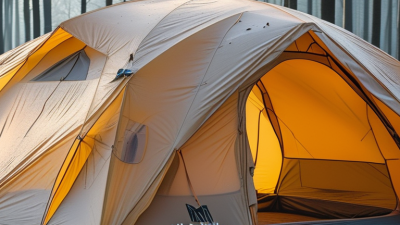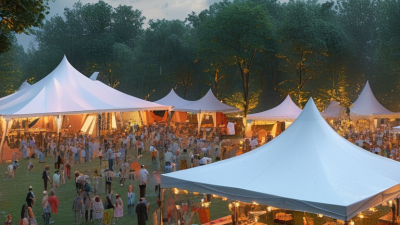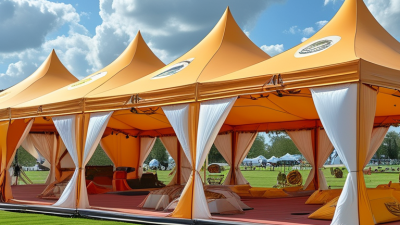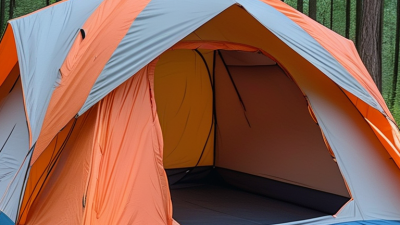
A custom inflatable tent can truly transform a regular business space into something that’s hard to miss — a friendly, inviting spot where people want to stop by. Whether it’s at trade shows, product launches, sports events, or outdoor promotions, the shape of these tents pulls people in even before they read what you’re all about. They go up pretty fast, giving you quick shelter while giving your team a clear place to chat with visitors. Plus, you can keep your branding consistent across different locations with matching colors, logos, and graphics.
Details really do matter here. Seasoned event folks don’t just look at how good it looks — they think about fabric quality, stitching, printing precision, inflation systems, anchoring options, how heavy it is to transport, and how long it takes to set everything up. A good supplier should be upfront about all these details and offer straightforward instructions for inspections and upkeep. Also, don’t forget about the weather — wind, rain, temperature, and ground surfaces can totally change your setup plan. Always follow the manufacturer’s guidance and double-check local rules for events.
Now, it’s not always the cheapest option out there. But a well-designed tent can be reused for multiple campaigns, which means less frequent rentals and better brand recognition over time. On the flip side, making hasty design choices might end up costing you more in the long run. For example, huge graphics might look awesome online, but if they’re hard to read from afar, they kind of lose their impact. And weak anchoring can be a real safety risk. Being honest with yourself about these challenges is all part of good planning.
When you combine durable materials, clear branding, and reliable support, a custom inflatable tent becomes more than just a temporary shelter — it’s an asset that works for your business. Still, success depends as much on careful preparation as on the product itself. Try out your layout before the event, observe how people move around it, and make adjustments if some things feel awkward. That’s often where the real value shows up.
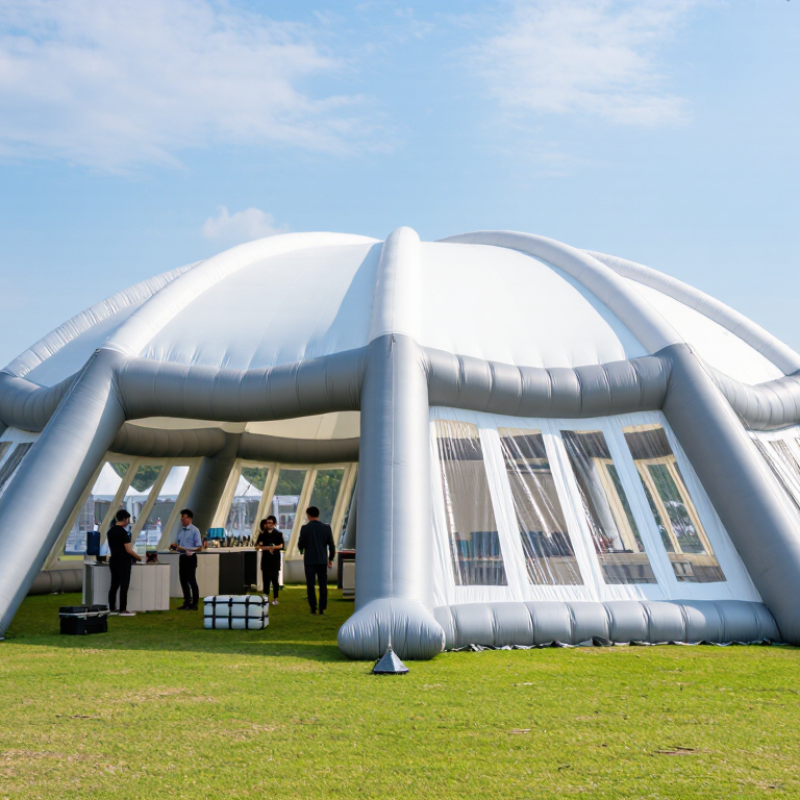
A custom inflatable tent is a temporary structure shaped and printed for a specific business, event, or working space. It uses air-filled beams, durable fabric, and a sealed or continuously powered inflation system. Unlike a standard canopy, its walls, roof, entrance, and graphics can match a company’s needs. The design may include counters, windows, flooring, lighting points, or separate rooms. It is not simply a large balloon. Its frame must resist ordinary wind, repeated setup, and daily handling.
In practice, teams often choose these tents for exhibitions, outdoor demonstrations, sports events, retail promotions, and mobile information points. A trained crew can usually install the structure on level ground within minutes, depending on its size and anchoring method. Proper anchoring matters more than attractive graphics. Sandbags, ground stakes, and ballast should suit the surface and local weather guidance. The fabric should be checked for stitching, waterproof treatment, fire performance, and cleanable surfaces. Ask for test documents and clear care instructions.
Customization also affects transport and labor. A compact packed unit can reduce storage pressure, but large printed walls still add weight. I have found that realistic layouts work better than crowded artwork, especially when visitors need to move quickly. Some designs look impressive online yet feel dark or awkward inside. That is worth questioning. Air-powered structures can also depend on electricity, so a backup plan is sensible. Small oversights happen. Measure doors, vehicle space, and installation areas before approving the final design.
A custom inflatable tent turns a temporary space into a visible brand asset. Its roofline, wall colors, logo placement, and printed message can match campaign materials across an event. In practical event work, consistent visual cues help visitors recognize a business before they read every word. Keep the message short. A clear headline works better than a crowded wall.
The 2021 EventTrack study reported that 74% of consumers were more likely to buy after engaging with branded event experiences. A tent supports that experience by creating a defined, welcoming area for demonstrations, conversations, and product sampling. Its height improves visibility in busy outdoor spaces.
Sidewalls can display service benefits, while a counter can guide visitors toward a QR code or sign-up point. The ASI 2023 Ad Impressions Study found that promotional products generated an average of 5,038 impressions per month, showing the value of repeated brand exposure. A reusable tent can extend that exposure across multiple events.
Branding alone is not enough. I have seen attractive tents fail when staff communication felt uncertain or the QR code was too small. Weather, lighting, and setup time also affect performance. A custom design should leave space for readable information, safe movement, and future campaigns. Small imperfections remain possible. Color may look different under sunlight, and fabric can crease after transport. Testing the printed artwork, inflation system, and visitor flow before launch makes the brand experience more reliable.
Trade shows benefit greatly from inflatable tents. Their tall profiles attract attention across crowded exhibition grounds. A custom layout can include product displays, counters, lighting, and private consultation areas. Staff can welcome visitors without shouting over nearby exhibitors. Setup is also faster than building a rigid temporary structure.
Product launches and corporate open days need a recognizable space. An inflatable tent can create a clear entrance and controlled visitor flow. At outdoor sports events, it shelters registration desks, refreshments, merchandise, or first-aid teams. Community fairs can use smaller versions for demonstrations and local services. The flexible footprint helps businesses adapt to changing site conditions.
Not every event is suitable. Strong wind, uneven ground, and poor anchoring can create serious problems. Event planners should check weather forecasts, surface conditions, fire rules, and venue requirements before installation. This step is often missed. The tent should also be inspected for seams, valves, anchors, and electrical equipment. From practical event experience, branding works best when it supports the visitor journey. Too many graphics can make the space feel crowded. A good design leaves room for movement, conversation, and a little breathing space.
A custom inflatable tent can turn a plain event space into a recognizable business setting. Its shape, colors, and printed panels should reflect how customers experience your business. Start with one clear visual idea, not every logo detail. Use your primary color on the roof or columns, then reserve contrast for the entrance. Keep key messages near eye level. From practical event work, I have found that crowded walls are hard to read from a busy walkway. Measure the footprint carefully, including ropes, weights, tables, and visitor flow. A beautiful draft can still feel cramped.
Tips: Sketch the tent from three viewpoints. Check the design in daylight and under evening lights. Test printed colors against the actual fabric, because screens can mislead. Choose weather-resistant graphics and reinforced attachment points. Leave space for a counter, storage, and a wheelchair-friendly path. Ask a fabricator for setup instructions and material specifications. Small errors matter. A doorway placed too low can catch equipment. A dark roof can also make the interior feel warmer.
Professional design also means planning for repeat use. Select graphics that can be cleaned without fading or peeling. Build modular panels if your message changes by season. Keep contact details large enough for quick viewing, but avoid filling every surface. One honest weakness deserves attention: brand guidelines may look balanced on paper, yet lose impact when the tent inflates unevenly. Request a full-scale proof or sample seam before production. Confirm inflation time, anchoring requirements, maintenance needs, and warranty terms in writing. This evidence supports reliable decisions and reduces costly surprises during public events.
Why Choose a Custom Inflatable Tent for Your Business?
Material selection determines how confidently your inflatable tent performs outdoors. A durable PVC-coated polyester fabric resists rain, abrasion, and repeated folding. TPU-coated fabric can reduce weight while maintaining flexibility and waterproof protection. Check the fabric’s denier, coating thickness, UV resistance, and flame-retardant certification. Certification must match the regulations for your event location.
Pay close attention to construction details. Reinforced seams prevent stress around doors, windows, and anchoring points. Heavy-duty zippers should open smoothly, even after dust exposure. Clear windows improve visibility, while mesh vents reduce heat and condensation inside. A sealed floor keeps muddy water away from products, displays, and electrical equipment. Small details matter.
The air system also deserves careful consideration. Choose a quiet, energy-efficient blower with stable pressure control. Backup airflow protection can prevent sudden sagging during busy demonstrations. Strong anchor points, weighted bases, and correctly rated ropes improve stability in changing weather. Never rely on the tent’s appearance alone. A structure may look firm but still need better anchoring. I have seen teams focus on printed graphics and overlook repair kits, spare valves, or transport bags. That mistake becomes expensive when a minor puncture stops an event. A custom design should support your actual workflow, including storage shelves, cable routes, lighting, and staff movement. Leave enough clearance for people to turn around comfortably. That part is easy to underestimate.
Material weight affects durability, portability, weather resistance, and transport requirements. PVC-coated polyester is widely used for commercial inflatable structures because it offers a practical balance between strength, cleanability, and waterproof performance.
The chart shows representative fabric basis weights commonly specified for temporary commercial structures. When choosing a custom tent, also confirm airtight seams, UV resistance, flame-retardant performance, anchoring systems, repairability, and compliance with local event-safety requirements.
A custom inflatable tent can turn a small business event into a visible, welcoming space. Yet its value depends on planning, not appearance alone. Measure the ground before ordering. Check entrances, ceiling clearance, drainage, and nearby power points. A level surface makes inflation easier and reduces trip hazards. Keep a layout sketch with table positions, lighting, product shelves, and visitor flow. Leave enough room for staff to move without brushing against fabric walls. Small details matter.
For setup, assign two trained people and practice once in a quiet area. Read the installation instructions carefully. Use ground anchors suited to the surface and follow venue safety requirements. Never rely on the tent’s weight alone during changing weather. Inspect seams, valves, ropes, and blower cables before each use. Keep a basic repair kit nearby. The first setup may take longer than expected. That is normal. Record the actual time, then adjust your event schedule. We once underestimated unloading time. The lesson was useful, though avoidable.
Transport works best when the tent is completely dry, folded evenly, and packed in labeled bags. Do not force wet fabric into a case; trapped moisture can create odor or damage. Protect the components from sharp tools and heavy boxes. For storage, choose a cool, dry room away from sunlight and chemicals. Store the blower separately, with cables loosely coiled. Check the tent monthly, even during quiet seasons. A forgotten inspection can become an expensive surprise.
A custom inflatable tent can turn an ordinary business space into a visible customer destination. Its value becomes clearer when measured beyond appearance. Track foot traffic, conversations, leads, and sales during each event. A simple spreadsheet can reveal whether the tent attracts attention or only occupies space.
I have found that location changes results dramatically. A tent beside a busy entrance may collect 180 visitors in one afternoon. Another setup, placed behind a stage, may receive fewer than 40. Record visitor counts, qualified leads, email sign-ups, and completed purchases. Compare these figures with rental fees, transport, setup labor, and storage costs. The useful metric is not total traffic. It is cost per qualified lead and revenue per event.
Our first estimate was wrong. We counted every visitor, even people seeking shade. That inflated the apparent return. Now staff mark serious inquiries, product demonstrations, and follow-up requests separately. A QR code can help, but not everyone scans it. Paper forms still matter in crowded outdoor settings. Measure repeat use as well. A durable tent used twelve times may create more value than a cheaper structure used once. Weather, staff training, and nearby competitors can distort results, so record them beside the numbers. Review the data after each event, and question results that look unusually perfect.
Trade shows, product launches, corporate open days, sports events, and community fairs can benefit. Tall profiles attract attention across crowded outdoor spaces.
It can create a clear entrance, product area, consultation space, and controlled visitor flow. Leave room for people to turn comfortably. Movement matters.
Yes. They can shelter registration desks, refreshments, merchandise, or first-aid teams. Their flexible footprint suits changing site conditions.
Check wind forecasts, ground conditions, rain risks, anchoring needs, and venue rules. Strong wind and uneven ground create serious stability concerns. Do not guess.
PVC-coated polyester resists rain, abrasion, and repeated folding. TPU-coated fabric can reduce weight while preserving flexibility and waterproof protection.
Look for reinforced seams, strong zippers, clear windows, mesh vents, and sealed flooring. These details reduce stress, condensation, mud, and indoor heat.
Choose a quiet blower with stable pressure control and efficient energy use. Strong anchor points, weighted bases, and correctly rated ropes improve stability.
Carry a repair kit, spare valves, transport bags, and suitable backup airflow protection. Small punctures can interrupt an event. This is easy to overlook.
Use graphics to guide visitors rather than cover every surface. Include shelves, cable routes, lighting, counters, and staff clearance. More decoration is not always better.
A Custom Inflatable Tent is a practical, eye-catching solution for businesses that need a flexible space for promotions, exhibitions, outdoor events, and customer engagement. Its shape, colors, graphics, and layout can be tailored to reflect a company’s visual identity, helping create a consistent and memorable brand experience. These tents are suitable for trade shows, product demonstrations, festivals, sporting events, community activities, and temporary retail or hospitality areas.
When planning a tent, businesses should consider durable, weather-resistant materials, reliable inflation systems, clear branding, ventilation, lighting, flooring, and accessible entrances. Efficient setup, transport, and storage are also important, so the structure should be lightweight, compact when packed, and easy for staff to manage. Its business value can be measured through visitor numbers, leads, sales inquiries, social engagement, customer feedback, and repeated use across multiple events. With thoughtful design and practical planning, a Custom Inflatable Tent can support visibility, improve event presentation, and deliver long-term promotional value.