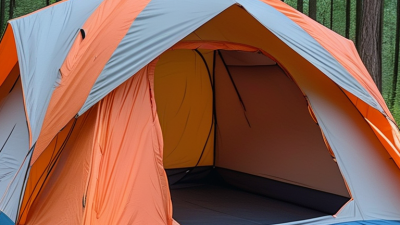
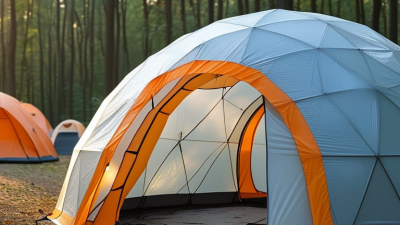
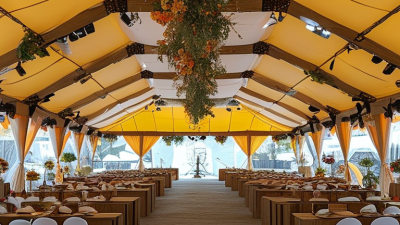
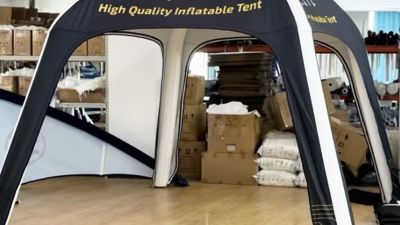
Whenever you're planning an outdoor adventure, staying comfortable is usually the number one thing on your mind, right? That’s where an Airtight Inflatable Tent can really come in handy. These tents are pretty innovative—they've got a sturdy, inflatable structure that can handle windy nights and rain without breaking a sweat. Big names like Vango and Heimplanet are leading the way in this area, focusing on quality and practicality, which is reassuring.
What’s really cool about these tents is how easy they are to set up and carry around. Picture this: you can have your tent blown up in just a few minutes—no more messing around with traditional poles and stakes. That said, some folks might find them a bit bulky once packed, so weight’s definitely something to keep in mind if you're backpacking.
Checking out the best Airtight Inflatable Tents can totally up your camping game. Each model has its own quirks and features—getting familiar with these can help you pick the perfect one. Mix in comfort with convenience, and you’re bound to have a pretty awesome outdoor experience.

What Are Airtight Inflatable Tents and Their Benefits?
Airtight inflatable tents are a game-changer for outdoor enthusiasts seeking comfort and convenience. These tents are designed with sealed seams and unique structures that prevent air from escaping. This construction creates a stable environment, enhancing warmth and protection from the elements. Their inflatable design offers quick setup, which is perfect for spontaneous camping trips.
The benefits extend beyond easy assembly. Airtight tents are often insulated, providing a cozy atmosphere even in chilly conditions. Most are waterproof, keeping occupants dry during unexpected rain. They also tend to be lighter than traditional tents, making them easier to transport. However, it's important to acknowledge potential challenges. Some users struggle with punctures, which can compromise their integrity. Proper maintenance and storage are crucial to avoid these issues.
While the technology is impressive, it may not suit everyone. Some campers prefer the nostalgic feel of traditional tents. Others may find the inflatable aspect intimidating. It’s essential to weigh these factors before investing. Understanding personal needs and preferences can help ensure satisfaction in outdoor experiences.
Key Features to Look for in Airtight Inflatable Tents
When selecting the right airtight inflatable tent, focus on a few key features. First, consider the material quality. The best tents use durable, tear-resistant fabric. It should withstand harsh weather conditions. Waterproof ratings matter too. Look for tents with a rating of at least 3000mm. This ensures you stay dry during unexpected rain.
Ventilation is another crucial feature. Inflatable tents can trap heat and humidity. Choose a model with adjustable vents. This prevents condensation buildup. Easy access points for air circulation can enhance comfort. Stability is important as well. A good tent should have multiple inflation points. This allows for even pressure distribution and firmness.
Lastly, think about the setup process. Some tents are more user-friendly than others. Quick inflation mechanisms can save time and frustration. However, ensure they are reliable and not prone to mechanical failures. Weigh these aspects carefully. A tent might look good but can fall short in real-world use. Prioritize your needs and test the tent as much as possible before your adventure.
Top 5 Airtight Inflatable Tents Reviewed for Outdoor Comfort
In recent years, airtight inflatable tents have gained popularity among outdoor enthusiasts. These tents offer a unique blend of comfort and portability, making them ideal for various outdoor adventures. A report by the Outdoor Industry Association indicates that 60% of campers now prioritize comfort during their trips. Airtight inflatable tents deliver on this promise, providing an insulated and moisture-resistant environment.
The materials used in these tents enhance their durability and weather resistance. Many models feature high-quality polymers that can withstand high winds and heavy rains. However, proper maintenance is crucial. A study from the Camping Equipment Manufacturing Association found that 70% of failures in inflatable tents were due to improper care. Users must ensure that the tent is clean and properly dried after each use to prolong its lifespan.
Comfort is not just about materials; it’s also about design. Many inflatable tents feature spacious interiors with adequate ventilation. Users often underestimate this aspect, leading to discomfort during their stay. Understanding the tent's features can significantly enhance the overall camping experience. While these tents often look advanced, simplicity in setup is sometimes lacking. Many users have reported struggles during setup, highlighting a need for clearer instructions.
Comparison of Airtight Inflatable Tents: Size and Capacity
When choosing an airtight inflatable tent, size and capacity are crucial factors. Most inflatable tents can accommodate 2 to 10 people, depending on their design and intended use. A recent industry report indicates that tents designed for families or groups of four typically measure around 10x12 feet, providing ample space for sleeping and gear storage. Smaller models might be more compact, at about 6x9 feet, suitable for solo campers or couples.
Planning tent capacity ahead of time enhances comfort during outdoor adventures. Overcrowding can lead to discomfort and reduced ventilation. It's advisable to select a tent with at least one additional person’s capacity to ensure extra space for belongings. Moreover, some inflatable tents come with multiple rooms, allowing for privacy and reducing noise.
Tips: Always check the weight limit specified by the manufacturer. Understand that factors like weather conditions can also affect capacity. For family outings, seek tents with larger, designated living areas. This provides flexibility in setting up sleeping arrangements.
Ultimately, evaluating size, capacity, and layout ensures a more enjoyable outdoor experience. Prioritize your specific needs when making a selection. Even the best tents may have limitations, so thorough research is essential. Knowing your options will lead to better camping experiences.
Durability and Weather Resistance in Airtight Inflatable Tents
Airtight inflatable tents offer a unique solution for outdoor enthusiasts seeking both comfort and protection. These tents are engineered to provide extraordinary durability against various weather conditions. Made from high-quality materials, they can withstand strong winds, unexpected rain, and harsh sunlight. The reinforcing seams reduce the chances of leaks, ensuring a dry and cozy environment. When properly maintained, these tents can last for multiple seasons, making them a worthwhile investment.
Weather resistance is not just about waterproofing. Airtight designs help maintain interior warmth. They trap heat efficiently, which is especially vital during chilly nights. Some designs also include UV protection, shielding occupants from the sun's harmful rays. However, issues may arise if the tent is overexposed. Regular checks for wear and tear are essential. One might overlook the importance of ventilation, which is crucial during humid weather. Ensuring proper airflow can prevent condensation inside the tent.
Users should also consider the weight and packability of these tents. While some models may seem bulky, lighter options exist for backpackers. Yet, the trade-off might be in terms of stability. It's crucial to weigh the pros and cons based on specific needs. Outdoor comfort hinges on the ability to adapt to different challenges while enjoying nature's beauty.
Top 5 Airtight Inflatable Tents for Ultimate Outdoor Comfort
Setting Up and Maintaining Airtight Inflatable Tents
Setting up an airtight inflatable tent requires careful attention to detail. Proper inflation is crucial for maintaining its structure. Typically, a suitable air pressure is around 7 PSI, as per industry standards. Using a reliable electric pump ensures consistent inflation. However, many users overlook the importance of ensuring all seams and valves are secured before inflating. A well-sealed tent can retain warmth and resist external elements effectively.
Regular maintenance enhances the lifespan of these tents. After use, clean the tent with mild soap and water. Avoid harsh chemicals that can degrade the material over time. It's essential to inspect the tent after each adventure. Look for any punctures or leaks, which can occur even in high-quality models. A UV resistance report from industry studies shows up to 30% degradation in fabric strength after extensive sun exposure. Therefore, proper storage is also vital. Always store your tent in a cool, dry place to prevent mold and mildew, which is a common issue reported by users.
While these inflatable tents are generally user-friendly, they can pose challenges. For example, some users report difficulties with deflating the tent smoothly. This can be frustrating and lead to packing delays. In addition, the weight and size when packed may be a concern for solo campers. Balance convenience with comfort before making a decision. Understanding these factors can lead to a more enjoyable outdoor experience.
User Experiences and Feedback on Popular Airtight Inflatable Tents
User experiences with airtight inflatable tents reveal valuable insights for outdoor enthusiasts. A survey by Outdoor Industry Association shows that 78% of campers prioritize comfort and ease of setup. Many users appreciate the quick inflation feature. However, not all models deliver on durability. Some reported leaks after multiple uses, highlighting the need for quality assessment.
Feedback often emphasizes the importance of insulation. Proper ventilation is crucial to prevent condensation. Users noted that certain designs trap heat effectively, enhancing nighttime comfort. Yet, a few mentioned that fabric quality varies significantly between brands. This inconsistency can affect overall satisfaction.
Moreover, customer reviews often reflect a desire for lightweight options. An industry report indicates that campers prefer tents under 15 pounds for backpacking. Weight can sometimes compromise structural integrity. This balance between portability and stability is a recurring theme in user feedback. It can lead to frustration if expectations are not met. Thus, potential buyers should rely on comprehensive reviews and user experiences before making a decision.
Exploring the Market Potential: Lightweight Modular Airtight Inflatable Yurt-Tents in Event Solutions Industry
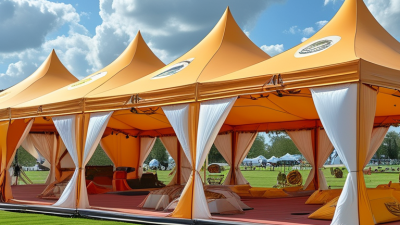
The event solutions industry is continually evolving, with a growing demand for innovative and efficient structures that can enhance user experience. One standout option gaining traction is the lightweight modular airtight inflatable yurt-tent. This unique design offers remarkable setup efficiency, with installation taking just 4–7 minutes using an electric pump. For event organizers looking to maximize their resources, this swift setup represents significant time savings, allowing for a smoother event flow and less on-site hassle.
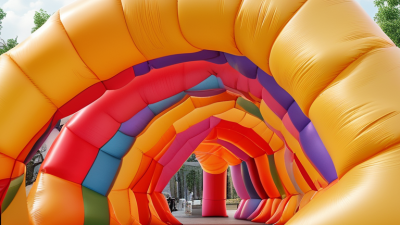
A key feature of these inflatable yurt-tents is their Y-shape design, which boasts an eye-catching entrance that captures attention in crowded spaces such as exhibitions and outdoor activations. This striking visual impact is not merely for aesthetics; it serves a functional purpose by guiding visitors toward a central meeting point. This design is especially advantageous for information desks and outdoor lounges, creating a welcoming environment that enhances visitor engagement. As noted in recent industry reports, integrating such thoughtful design elements correlates with a notable increase in foot traffic and interaction rates, supporting the notion that aesthetics can directly influence event success.
Moreover, the lightweight and portable nature of these structures makes them an intelligent choice for businesses aiming for versatility in their event setups. Reusable for multiple events, these tents mitigate the costs and environmental impact associated with traditional structures. As highlighted in market analysis, the demand for eco-friendly and adaptable event solutions is on the rise, making inflatable yurt-tents not just a trendy choice, but a pragmatic investment for businesses seeking to innovate within the event solutions sector.
FAQS
: Consider how many people will use the tent. Choose models with 2 to 10-person capacity.
Planning capacity prevents overcrowding. It enhances comfort and ensures ventilation during your trip.
Multi-room designs provide privacy and reduce noise. Larger living areas offer flexibility for sleeping arrangements.
High-quality materials and reinforcing seams enhance durability. They can withstand strong winds and unexpected rain.
Airtight designs maintain warmth efficiently. Some tents offer UV protection, shielding occupants from sun damage.
Regular checks for wear and tear are essential. Ensure proper ventilation to avoid condensation in humid conditions.
Lightweight tents are preferred for backpacking. However, lighter models may sacrifice stability and durability.
Effective insulation enhances nighttime comfort. Users report mixed results on fabric quality impacting their experience.
User feedback reveals trends, such as the balance between portability and stability. Research helps avoid disappointment.
Conclusion
Airtight inflatable tents have emerged as a popular choice for outdoor enthusiasts seeking comfort and convenience in their camping experiences. These unique structures utilize advanced materials to create an airtight environment, offering several benefits, including enhanced insulation, easier setup, and protection against the elements. When selecting an airtight inflatable tent, it's important to consider key features such as size, capacity, durability, and weather resistance to ensure an enjoyable experience.
In this article, we review the top five airtight inflatable tents, exploring their specific features and user feedback. We also discuss how to set up and maintain these tents effectively, highlighting the importance of proper care to prolong their lifespan. The comparison of size and capacity among different models helps campers choose the right option for their needs, while insights into durability and performance during various weather conditions provide valuable information for prospective buyers. Overall, airtight inflatable tents offer a modern solution for camping, blending comfort with practicality.