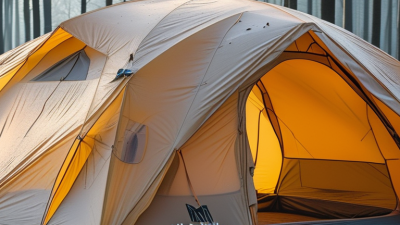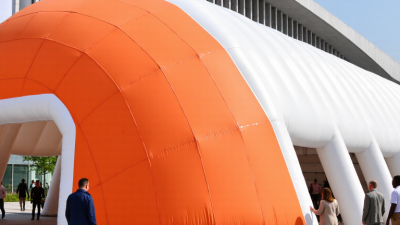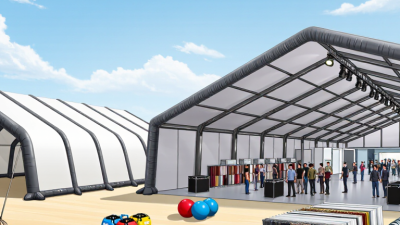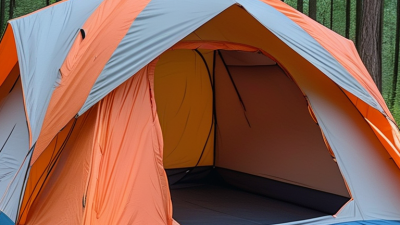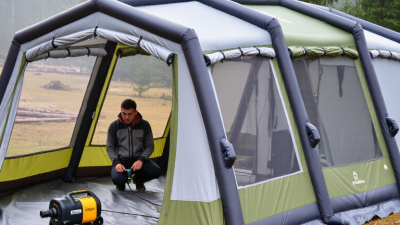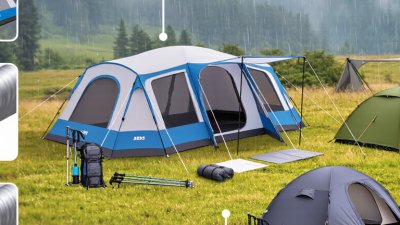
You know, picking an airtight inflatable tent isn't just about spotting one that looks tough in the product photos. I mean, the real deal is whether it can hold pressure without losing air, fit everyone in your group comfortably, and handle the kind of weather you're actually going to face. And honestly, the small stuff can make or break it – like the valve design, how the seams are constructed, the fabric weight, and if you can set it up solo without wrestling a slippery pole or pump.
You know, when it comes to tents, I always think of what Alex Morgan—a real tent-systems expert—once told me: “A tent is only as dependable as its seams, valves, and pressure checks.” And honestly, that’s worth keeping in mind, but it’s not like it replaces the manufacturer’s own test data or anything. So here’s the thing: ask about how the tent is sealed, what kind of inspection routine the maker suggests, and if you can actually get replacement parts later on. A slick product photo won’t tell you any of that, right?
Alright, so these seven tips will help you really dig into the details that matter for comfort and reliability. You'll want to zoom in on materials, how long it takes to inflate, ventilation, anchoring points, repair options, and the warranty terms from the maker. And don't forget the packed weight – that's a sneaky one. I mean, a spacious shelter might seem great until you're lugging it across wet gravel or trying to stuff it into a small car. Trust me, that's when size stops being appealing.
Honestly, there's no such thing as a one-size-fits-all tent. Even the best-made ones? They still need some TLC when you set them up, and you've gotta check them regularly. But here's the thing—a little bit of doubt is actually your friend. It keeps your choice real, based on what you actually need, not on all that shiny marketing fluff.
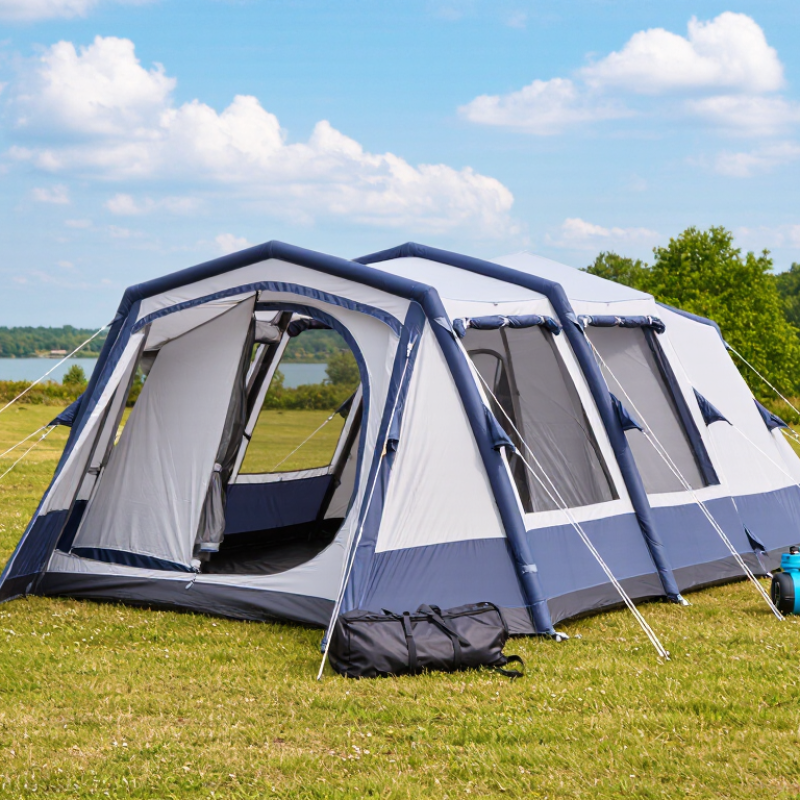
Start with your actual trips, not the tent’s feature list. Will you pitch on a windy coast, a damp woodland site, or a sheltered campground? Each setting changes what “best” means. For family car camping, prioritize standing room, vestibule space, and quick inflation. For remote hikes, packed weight and pump size may matter more than a tall ceiling. A poor match.
The Outdoor Industry Association’s 2024 Outdoor Participation Trends Report counted 175.8 million U.S. outdoor recreation participants in 2023. That broad figure reflects varied outdoor habits, but it cannot tell you which tent suits your trip. Treat it as context, not product advice.
Check local weather patterns and the ground where you expect to camp. Wind exposure, heavy rain, and rocky surfaces can all affect comfort and setup. Compare the tent’s stated wind and water-resistance ratings, then check whether its pegging system suits your campsite. A spacious floor plan can look convincing online, but measure your sleeping pads and bags before deciding. I might still overvalue headroom; packed size and ventilation are easier to regret later.
Tip: Examine the full construction, not just the fabric label. Airtight tents rely on compatible panels, sealed seams, and secure valves. Ask whether seams are welded or taped, and how the manufacturer checks for leaks. If possible, inspect an inflated sample: listen near seams and valves, then check whether pressure stays stable. Small leaks matter.
Feel the fabric and inspect its coating. Look for even coverage, clean joins, and no pinholes, brittle patches, or peeling edges. A specification sheet should identify the material and coating, plus test methods for air retention and water resistance. ISO 811 describes a hydrostatic-pressure test for fabric, but passing that test alone does not prove a tent is airtight. Ask for product-specific results. Look closely.
Tip: Compare claims with traceable data. Textile Exchange’s Materials Market Report 2024 estimates that global fiber production reached 124 million tonnes in 2023, with polyester accounting for about 57 percent. That figure describes market volume, not durability or airtightness; it is a useful reminder to judge the finished fabric, not just its fiber name. I would also ask how the fabric performs after repeated folding, since a pristine showroom sample can hide wear at creases. A clear answer is reassuring. A vague one deserves follow-up.
Choosing the right size starts with an honest headcount. An airtight inflatable tent may fit six people on paper, but sleeping bags and gear take up valuable floor space. Count everyone who will sleep inside, then allow room for bags, shoes, and a clear path to the door. Wet coats need space too. A little extra room can make rainy mornings easier.
Tips: Measure your sleeping mats before choosing a layout. Place them on the ground in the arrangement you expect to use. Leave a narrow aisle so someone can step outside without climbing over others. Space matters. Try it at home.
Think about how your group actually camps. Couples may prefer separate sleeping areas, while families with young children often need one open space for easy access. A divider can offer privacy, but it may reduce usable floor area. Check the tent’s stated dimensions and compare them with your gear, not just the advertised capacity. I once assumed a wide entrance meant more room inside; it did not. Sketching the layout first can reveal awkward corners before you buy.
Estimated usable floor area by group size, allowing 2.5–3.0 m² per person for sleeping space, personal gear, and movement. Choose the roomier option if you need extra storage or a more comfortable layout.
Tip 1: Compare the inflation system before comparing tent size. Some models use one valve for several air beams; others inflate each beam separately. A single connection may simplify setup, but a leak can affect more of the structure. Check whether the instructions specify a pressure limit, and use a pump with a readable gauge. Small details matter.
Tip 2: Match the pump to your campsite. An electric pump can save effort, but it needs a suitable power source and may add packing weight. A hand pump works without electricity, though it takes longer. Check the valve connection and expected inflation time before buying. Those estimates can be optimistic, so leave a little extra time.
Tip 3: Read the full setup requirements, not just the advertised setup time. Look for guidance on staking, guy lines, ground conditions, and the number of people recommended. A clear, level patch makes positioning easier; wet or uneven ground can slow things down. Practice at home once. You may still miss a step, so keep the instructions nearby and confirm each beam feels evenly inflated before use.
Airtight inflatable tents rely on sealed air beams for support, but the sleeping area should never be completely sealed. When checking weather resistance, look beyond the fabric’s water-resistance rating. Inspect taped seams, reinforced corners, storm flaps, and the shape of the rainfly. These details help keep wind-driven rain away from doors and vents. Check the groundsheet, too; water can creep in from below. Small details matter.
Tip: Test ventilation before buying. Look for mesh windows, closable roof vents, and openings on opposite sides that allow air to cross the tent. On a warm, damp morning, weak airflow can leave condensation on the inner walls and sleeping bags. Open vents help, even when the rainfly is on, if their covers direct water away. Check whether you can adjust them from inside. That is easy to overlook.
In changeable weather, pitch the tent on a slight rise, not in a dip where rainwater may collect. Use every guyline in exposed conditions, and check that the air beams hold pressure according to the instructions. I once assumed a tall, roomy shelter would feel comfortable in rain; it felt stuffy instead. I had not opened the high vents. It was a simple mistake, and a useful reminder to balance weather protection with airflow.
Tip 1
Review the safety label and instructions before buying. Check the stated wind limits, air-beam pressure range, and anchoring requirements. Look for clear information about fabric performance and any applicable safety testing. A label alone does not guarantee safe use. I would also check that the recommended pump includes a pressure gauge.
Tip 2
Inspect repair guidance and included supplies. A small puncture near a valve can slowly soften an air beam overnight. Ask whether the fabric and seams can be patched, and which repair materials are approved. Keep the repair kit dry, and practice finding a leak with soapy water at home. It is easy to miss one.
Tip 3
After each trip, clean and dry the tent fully before storage. Check seams, valves, zippers, and anchor points for grit, cracks, or loose stitching. Store it loosely folded in a cool, dry place, away from sharp tools. Recheck the air beams before a long trip; I sometimes forget this when packing in a hurry. If damage affects stability, stop using the tent until it is properly repaired.
A warranty matters most when it covers the parts likely to fail: air valves, welded seams, and inflatable beams. Check the coverage period, repair process, and whether normal wear is excluded. Read the exclusions closely. A long warranty can still offer little value if shipping costs fall on you or replacement parts are unavailable. Ask how repairs work before buying, and keep the answer in writing.
Portability is more than packed size. Compare the tent’s weight with its pump, repair kit, and carry bag included; then picture lifting it from a car to a muddy pitch. The Outdoor Industry Association’s 2024 participation report counted 175.8 million Americans aged six and older taking part in outdoor recreation in 2023. That broad participation does not prove one tent suits everyone, but it underlines why setup and transport deserve careful comparison. I sometimes underestimate packed bulk, too.
For overall value, divide the purchase price by realistic trips, then consider repairability and warranty support. The 2024 KOA North American Camping Report estimated that about 58 million households camped in 2023, suggesting frequent use for many buyers—but not for every household. A lower-cost tent may be better for occasional weekends; regular travelers may value replaceable valves and straightforward repairs. I would still avoid treating any estimate as a promise: weather, care, and campsite conditions change how long a tent lasts.
Count everyone who will sleep inside, then add room for bags, shoes, and a clear aisle. Advertised capacity can feel tight. Try your sleeping mats at home.
Measure your mats and arrange them as you would at camp. Leave a narrow path to the door. A divider can add privacy but reduce floor space.
Check taped seams, reinforced corners, storm flaps, and the rainfly shape. Inspect the groundsheet too; water can creep in underneath. Small details matter.
Look for mesh windows and closable vents on opposite sides. Open high vents when conditions allow, even with the rainfly on. Damp sleeping bags are no fun.
Choose a slight rise instead of a dip where water may collect. Use the guylines in exposed conditions. I once picked a roomy spot that felt stuffy in rain.
Read the instructions for wind limits, air-beam pressure, and anchoring. Check for a pump with a pressure gauge. A label alone is not enough.
Check the valve and beam for punctures. Use approved repair materials, and practice finding leaks with soapy water at home. It is easy to miss one.
Clean and dry it fully before storage. Check seams, zippers, valves, and anchor points, then store it loosely in a cool, dry place. I still forget to recheck before packing.
Choosing the right Airtight Inflatable Tent starts with matching it to your planned activities, camping conditions, and group size. Consider how often you will use it, the terrain and weather you may encounter, and whether the interior layout offers enough room for people and gear. Pay close attention to fabric quality, sealed construction, and the inflation system, including how much effort and time setup requires.
Before buying, compare weather protection, ventilation, and practical safety features. Find out how the tent can be inspected, repaired, and maintained so it stays dependable over time. Finally, weigh its packed size, portability, warranty coverage, and overall value against your needs. A thoughtful comparison of these factors can help you select a tent that is comfortable to use, suitable for your trips, and built for lasting performance.