Leave Your Message
0%

Choosing a Custom Inflatable Tent involves more than selecting an attractive shape. It requires careful attention to purpose, weather, transport, branding, and visitor comfort. A promotional tunnel may need fast inflation, while an event shelter may require stronger ballast and wider entrances. The right design should fit the site, not merely the product brochure.

Temporary-structure consultant David Campbell offers a practical reminder: “An inflatable tent is only successful when it performs well after the photographs are taken.” That view reflects real field concerns. Check the fabric weight, seam construction, blower reliability, anchoring method, and packed dimensions. Ask how the tent behaves during steady rain, bright sunlight, and repeated installation. A glossy surface can look impressive, yet poor ventilation may make the interior uncomfortable within minutes.

This guide explains how to compare suppliers, materials, layouts, and customization options. It also considers printing quality, repair access, setup time, and storage conditions. A strong Custom Inflatable Tent should represent your company clearly and operate safely for its intended use. Confirm local venue requirements before ordering, especially for emergency exits, flame performance, and public access.

There is rarely a perfect specification. Budget limits may force compromises. I have seen buyers focus on logos while overlooking replacement blowers and ground protection. That mistake becomes expensive later. A more reliable decision balances visual impact with maintenance, safety, and daily practicality. The following outline helps you ask sharper questions before approving a design from any manufacturer, including established suppliers such as Creative Tent International or Tentnology.
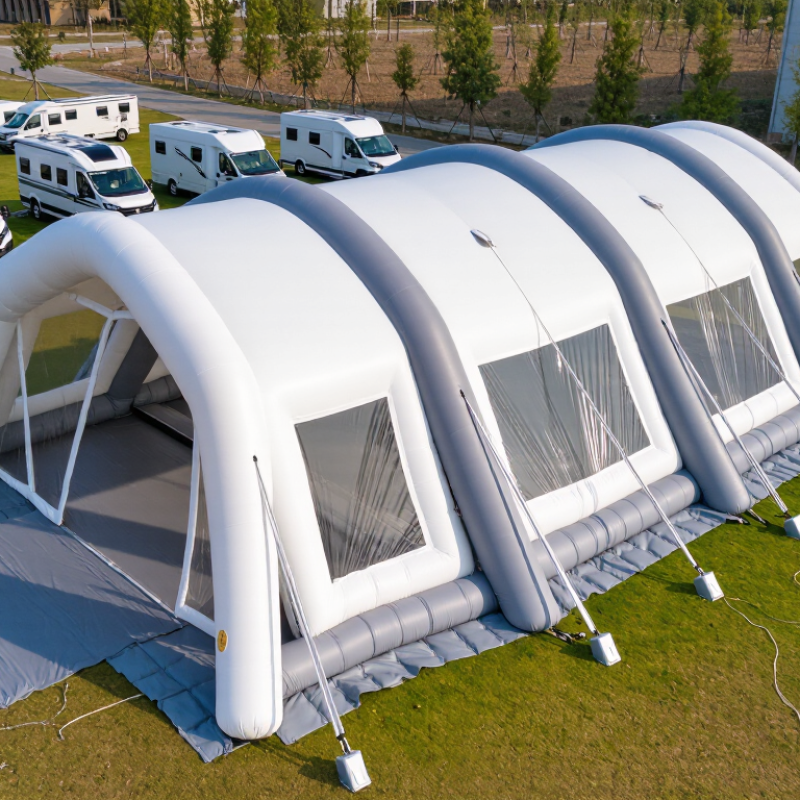
How to Choose a Custom Inflatable Tent?

Define the Purpose and Setting of Your Custom Inflatable Tent

How to Choose a Custom Inflatable Tent?

Define the Purpose and Setting of Your Custom Inflatable Tent

Start with the activity, not the artwork. A sales booth needs open sides, clear counters, and steady visitor flow. A registration tent needs sheltered tables, cable routes, and visible queue space.

Outdoor Industry Association’s 2024 report recorded 175.8 million U.S. outdoor participants in 2023.

That figure highlights the demand for practical, weather-ready event spaces. Your location still matters more than broad market growth. Measure the ground, entrance width, nearby trees, and expected wind exposure. A tent beside a beach needs different anchoring than one on paved concrete.

Think about weather, duration, and audience behavior. Hot settings may require reflective fabric, ventilation panels, and shaded waiting areas. Rainy sites need sealed seams and raised flooring. For evening use, plan lighting positions before production begins.

A crowded festival may need wider exits and fewer internal displays. Small details affect safety and comfort. I have seen planners prioritize printed walls, then discover that the entrance blocks the main walkway. That mistake is expensive and avoidable.

Tips: Write a one-sentence use case before requesting a quotation. Include site photos, dimensions, surface type, operating hours, and local weather records. Ask for flame-resistance documentation and tested anchoring guidance. Do not assume one layout fits every event. Recheck the design with the person managing the site; their practical objections may reveal what a drawing misses.

Determine the Required Size, Layout, and Capacity

How to Choose a Custom Inflatable Tent?

Size should follow real activity, not guesswork. Measure the usable floor area, excluding entrances, counters, storage, and equipment. Then map each zone: reception, seating, demonstrations, service points, and emergency routes.

The Events Industry Council reported that business events generated $1.6 trillion in global economic output in 2019.

This scale highlights a practical issue: crowded spaces reduce visitor comfort and staff control. A 6-by-6-meter tent provides 36 square meters, but usable space may be much smaller. Allow extra room for queues and movement. I often see plans that fit tables, but not people.

Tips:

Sketch the layout with chairs, counters, and a one-meter walking route before requesting a quotation. Mark every entrance clearly. Check the proposed occupancy with local fire-safety officials.

NFPA 101, the Life Safety Code, emphasizes clear exit access and safe occupant movement. Capacity also depends on seating style. Rows of chairs need less space than dining tables or interactive displays.

A tent for 40 standing visitors may feel cramped with 40 seated guests. A first draft may still be wrong. Test the plan with cardboard boxes or floor tape.

The Events Industry Council also identifies visitor experience as a major event-performance factor, so comfort deserves measurement, not optimism.

Select Suitable Materials and Weather Protection Features

Choosing a custom inflatable tent starts with its intended weather, not its printed shape. For weekend fairs, coated polyester may balance weight, flexibility, and cost. In harsher conditions, heavier PVC-coated fabric offers stronger abrasion resistance. Ask for fabric weight, tear strength, UV rating, and waterproof rating. Do not accept “waterproof” as a complete specification. A sample under a hose reveals little; seam construction matters more during prolonged rain.

Inspect welded or taped seams, protected zippers, and a raised floor edge. These details limit water entry when rain runs across the ground. For windy sites, select multiple air chambers or reinforced beam joints. Include ground anchors suited to soil, concrete, or pavement. The manufacturer should state tested wind limits and inflation pressure. Those figures are more useful than vague claims of “all-weather” performance. Ventilation panels reduce condensation, especially when wet clothing dries inside. Mesh openings should have closable storm flaps. Otherwise, one bad gust can turn comfort into leakage.

Request a material sample and inflate a scaled mock-up or full prototype before production. Check whether the fabric feels brittle after cold storage and overly soft under midday heat. I once underestimated doorway exposure; wind-driven rain entered through a perfectly sealed wall. A costly lesson. Now I examine orientation, drainage, and anchor placement together. Specify flame-resistance documentation where local rules require it, and keep repair patches compatible with the fabric. A reliable supplier should provide care instructions, pressure guidance, and replacement-part details. Still, no specification replaces a realistic site trial.

Compare Inflation Systems, Stability, and Safety Components

How to Choose a Custom Inflatable Tent

The inflation system affects setup time, noise, and performance. A continuous blower keeps the tent firm during use. It needs steady electricity and backup power. A sealed air-beam system stores pressure after inflation. It runs quietly, but leaks can remain unnoticed. Check valve quality, inflation time, pressure readings, and repair access before ordering. A pressure gauge should be easy to read beside the entrance. Small details matter.

Stability depends on more than the tent’s shape. Ask for tested wind limits and the exact anchoring method. Soft ground may require long stakes, while concrete needs approved ballast. Place ballast over strong load-bearing points, not random fabric sections. During a site inspection, check drainage, nearby trees, and uneven surfaces. A level floor reduces trip hazards and prevents unnecessary stress on the frame. Do not rely on appearance alone.

Safety components deserve direct questions. Look for pressure-relief valves, reinforced anchor points, flame-resistant materials, and clear emergency exits. Electrical cables should stay covered and away from wet ground. Fire equipment must match the venue’s requirements. Request inspection records, fabric specifications, and maintenance instructions. If the supplier cannot explain these items clearly, pause the purchase. I would also test one sample before approving a large custom order. Measurements can be wrong. Inflatable structures are forgiving, but not careless.

How to Choose a Custom Inflatable Tent?

Compare inflation systems, structural stability, and safety components before selecting a custom inflatable tent. The normalized scores below use a 1–10 planning scale, where higher values indicate stronger practical performance.

Single-chamber systems are simple and quick to deploy, while multi-chamber systems improve redundancy if one air section loses pressure. Hybrid systems balance setup convenience with stronger wind stability. For safety, confirm that the design includes pressure-relief valves, secure anchoring points, reinforced seams, flame-retardant fabric where required, and clearly defined emergency deflation procedures.

Evaluate Custom Branding, Accessories, and Functional Options

How to Choose a Custom Inflatable Tent?

Custom branding should support recognition without weakening the tent’s structure. In my experience, printed walls attract attention, but poor color matching can make a professional design look careless. Request a digital proof and a physical fabric sample before production. Check logo placement from normal viewing distance. Small details matter. Use clear, durable artwork that remains readable under cloudy skies and strong indoor lighting. Ask about fade resistance, stitching, and cleaning methods. Do not accept vague claims such as “weatherproof” without written specifications.

Accessories should match the event rather than simply increase the package price. Useful choices may include removable walls, flooring, counters, carry bags, lighting, and weighted anchors. A zippered wall can block wind, while a transparent panel can improve visibility inside. Flooring protects visitors from wet ground and helps create a cleaner presentation. Confirm each accessory’s dimensions and connection method. A beautiful counter is less useful if it blocks the entrance. I once underestimated storage space, and the extra parts became difficult to transport.

Functional options deserve careful testing. Compare inflation time, pump noise, ventilation, drainage, and setup requirements. Ask how the tent performs on grass, pavement, and uneven surfaces. Request documented wind guidance and follow the manufacturer’s anchoring instructions. Materials should meet applicable safety requirements in your location. If staff will install the tent, let them practice before the event. A short rehearsal often reveals missing tools, confusing fittings, or an awkward layout. 马会

Review Suppliers, Costs, Certifications, and Maintenance Requirements

How to Choose a Custom Inflatable Tent?

Choosing a custom inflatable tent starts with a careful supplier review. Ask for factory photos, material samples, production timelines, and recent project references. A dependable supplier should explain fabric weight, seam construction, air pressure, and repair methods clearly. Request a written quotation with every cost listed. Hidden charges often appear in artwork changes, shipping, installation, or replacement parts.

Price depends on size, shape, fabric, printing, windows, flooring, and inflation equipment. Compare complete packages, not attractive base prices. I once underestimated storage and transport costs. That mistake changed the real budget considerably. Ask whether the quote includes taxes, testing, delivery, and setup training. Certifications also deserve close attention. Request current test reports for flame resistance, fabric performance, electrical safety, and structural stability. Requirements differ by location and event type. Confirm documents with the relevant local authority when necessary. A certificate without traceable testing details is weak evidence.

Maintenance is simple, but neglect is expensive. Inspect seams, valves, zippers, and anchor points before every use. Clean dirt with mild soap and dry the fabric fully. Never pack a damp tent. Moisture can create unpleasant odors and weaken coatings. Check the blower cable and connectors for damage. Keep a repair kit nearby. Small tears can grow quickly under pressure. Supplier support matters here. Ask about spare blowers, replacement valves, warranty limits, and response times. My early inspection checklist was too short. It missed zipper wear, which later caused avoidable downtime. Reliable records make maintenance less subjective.

Professional Airtight Inflatable Event Arches: Silent Design, Durable Quality, and Factory-Direct Pricing

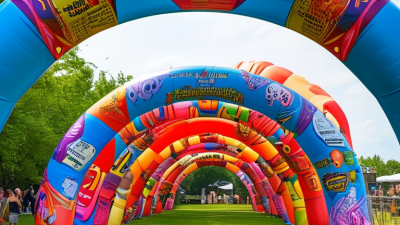
Professional airtight inflatable event arches are becoming a practical choice for organizers who need fast installation, dependable presentation, and a polished guest experience. Allied Market Research valued the global events industry at approximately $886.99 billion in 2020 and projected it to reach about $2.19 trillion by 2028, highlighting the growing demand for efficient, reusable event infrastructure. In this competitive environment, an arch that can be installed in just three minutes helps teams reduce setup labor and focus on branding, registration, and visitor engagement.

Unlike low-cost constant-air structures, an airtight arch operates silently and requires no continuous blower or power cords. This removes common cable-related trip hazards and allows flexible placement at entrances, finish lines, exhibitions, festivals, and corporate activations. Its high-quality TPU bladder is designed to maintain stable inflation throughout a multi-day event, supporting a clean, professional appearance from opening time to teardown.

The structure can also be customized with an interchangeable cover, making it easier to adapt the same frame for different campaigns or seasonal themes. Internal LED lighting adds visibility and visual impact during evening programs or indoor exhibitions without compromising the streamlined design. With durable construction, quiet operation, quick deployment, and factory-direct pricing, a professional airtight arch offers a reliable solution for organizers seeking both performance and presentation value.

FAQS

How should I calculate the right tent size?

Measure usable floor space, excluding entrances, counters, storage, and equipment. Mark seating, demonstrations, service points, queues, and emergency routes. A six-by-six-meter tent has 36 square meters, but usable space is smaller. Leave room for movement. My first plan fit tables, not people.

How can I test the layout before ordering?

Sketch chairs and counters on paper. Mark a one-meter walking route and every entrance. Use cardboard boxes or floor tape to imitate equipment. Walk through the plan with staff. It may still be wrong.

How does seating style affect visitor capacity?

Forty standing visitors need less space than forty seated guests. Rows of chairs usually require less room than dining tables. Interactive displays need additional circulation space. Count people, not only furniture. Comfort needs measurement.

How should I check emergency access?

Keep entrances and exit routes clear at all times. Ask local fire-safety officials to review the proposed occupancy. Confirm that visitors can move out without crossing equipment or storage. A crowded entrance creates confusion quickly.

What should I check before approving custom graphics?

Request a digital proof and a physical fabric sample. Check logo readability from normal viewing distance. Review color matching under cloudy skies and bright indoor lighting. Ask about fading, stitching, and cleaning. Small details matter.

Which accessories are genuinely useful?

Removable walls can block wind and improve privacy. Transparent panels can preserve visibility inside. Flooring helps protect visitors from wet ground. Counters, lighting, and carry bags may also help. Do not add accessories automatically. Extra parts need storage space.

How can I evaluate setup and outdoor performance?

Compare inflation time, pump noise, ventilation, drainage, and setup steps. Ask how the tent performs on grass, pavement, and uneven ground. Request written wind guidance and use suitable weighted anchors. Let staff rehearse before the event. Practice reveals awkward fittings.

What should a supplier quotation and maintenance plan include?

Request fabric details, seam construction, air pressure, repair methods, timelines, and recent project references. The quotation should list printing, shipping, taxes, setup, testing, and replacement parts. Ask for traceable safety documents accepted locally. Inspect seams, valves, zippers, anchors, cables, and connectors before every use. Clean with mild soap and dry completely. Never pack it damp. My early checklist missed zipper wear. That caused avoidable downtime.

Conclusion

Choosing the right Custom Inflatable Tent begins with clearly defining its purpose, location, and expected use. Consider whether it will serve as an event shelter, exhibition space, promotional area, or temporary workspace, then determine the ideal size, internal layout, entrance design, and visitor capacity. Material selection is equally important, as durable, weather-resistant fabrics, reliable seams, ventilation, waterproofing, and protection from sunlight can improve comfort and service life.

You should also compare inflation systems, anchoring methods, structural stability, emergency exits, and other safety components before making a decision. Custom branding, lighting, flooring, counters, windows, and storage features can make the tent more practical and visually effective. Finally, evaluate suppliers according to product quality, production experience, transparent pricing, relevant certifications, warranty terms, and maintenance support. A careful review of these factors will help you select a Custom Inflatable Tent that is safe, functional, durable, and well suited to your specific needs.
Clara

Clara

Clara is a dedicated marketing professional with a deep understanding of her company’s core product offerings, which include inflatable tents, arches, columns, furniture, and aluminum frame folding tents. With a keen eye for detail and a passion for innovation, she actively contributes to the......
Previous Top 10 Inflatable Sport Dome Suppliers Worldwide