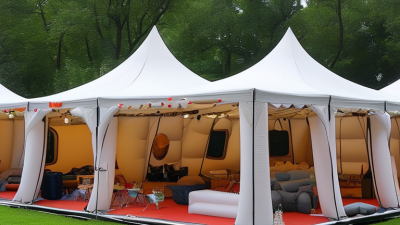
Picking the right event tents is a pretty big deal if you want your gathering to really shine. Did you know that, according to IBISWorld, the event tent rental biz hit about $1.5 billion in 2022? Wow, right? Most of that growth comes from outdoor parties and festivals looking for flexible, easy solutions. If you choose the right tents, it’s not just about looks — it’s about keeping your guests comfy and protected out there.
Now, with so many options out there, it can honestly get a little overwhelming. You gotta think about stuff like the size, how sturdy the tent is, and whether it can handle the weather. A study from the Event Industry Council mentioned that around 75% of event planners say that picking the right tent has a real impact on how happy the guests are. Honestly, the difference a good tent makes can turn a boring space into something really special.
But heads-up — not every tent suits every event. Some might not handle rain or wind well, which could lead to some pretty uncomfortable moments. It’s super important to really know what you need and what kind of weather you might be up against. If you take the time to pick carefully, you’re pretty much set up for a successful event — happier guests and a smoother day all around.
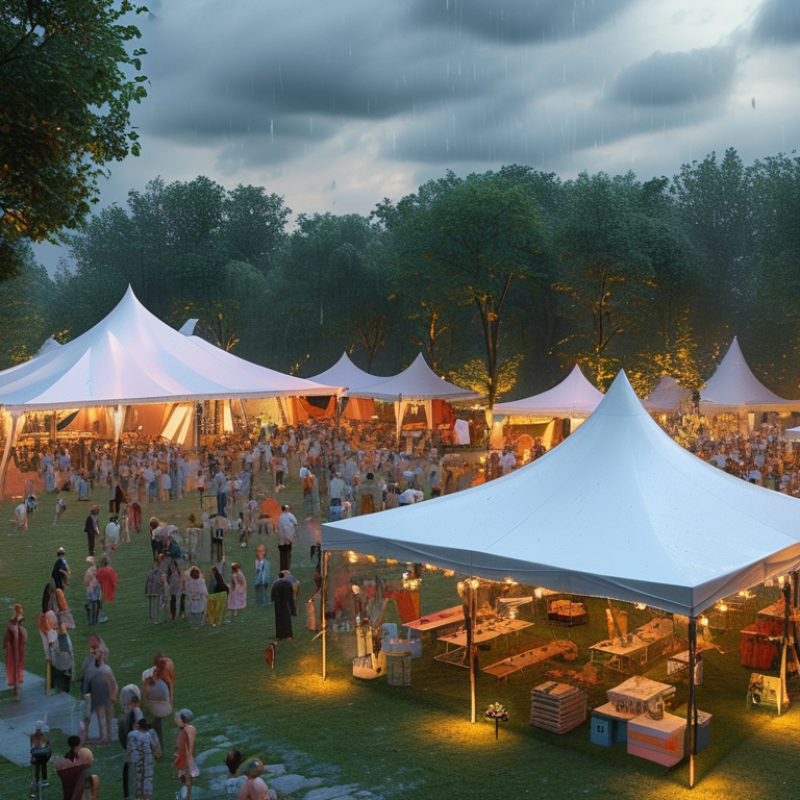
Understanding Different Types of Event Tents: A Comprehensive Overview
When planning an event, selecting the right tent is crucial. Different types suit various needs.
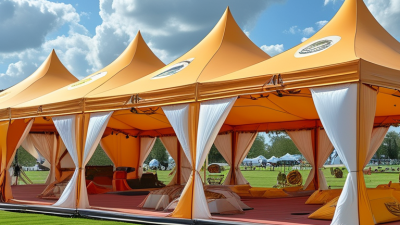
Frame tents are popular for their versatility. They stand without poles in the middle, maximizing usable space. This style is ideal for gatherings where layout flexibility is essential. However, frame tents may require more effort for setup, especially in windy conditions.
Pole tents provide an elegant look with their high peaks. These tents need center poles, which can limit interior space layout. On the plus side, they often come in larger sizes. If you prioritize aesthetics, pole tents might be the better choice. However, keep in mind the need for grounding stakes, which may not be feasible in all locations.
Another option is clear-top tents. They allow natural light and offer stunning views. Clear-top tents can significantly enhance the atmosphere of an event. However, they also come with limitations on heating and cooling. Moreover, they may create an uncomfortable environment in extreme weather. Evaluate your guests’ comfort and your desired ambiance before choosing. Ultimately, knowing the pros and cons of each tent type is vital for making an informed decision.
Factors to Consider When Choosing Event Tents for Various Occasions
When selecting event tents, there are several factors to consider. The purpose of the event plays a crucial role in this decision. For instance, outdoor weddings typically require elegant designs, while trade shows often need large spaces with effective lighting. A report by IBISWorld highlights that the event rental industry generates over $6 billion annually, showing the significant demand for specialized tents.
Size is another important element. The number of guests and type of activities will dictate the necessary dimensions. For example, a seating area needs at least 10 square feet per person. For larger gatherings, 20 to 30 square feet is ideal for comfort. Furthermore, consider the weather conditions. In regions prone to unpredictable weather, reinforced materials and proper ventilation are essential. A data analysis from Statista indicates that 35% of event planners prioritize weather resistance when choosing tents.
It’s easy to overlook details like flooring and lighting, yet they greatly affect the overall experience. Flooring helps with stability, especially on uneven ground. Lighting can transform the atmosphere and ensure safety. As suggested by recent surveys, about 45% of event attendees remember their experiences based on ambiance. Choosing the right tent involves analyzing these factors closely. Reflecting on past events may reveal areas for improvement. Adaptability is key in meeting diverse needs and preferences.
Evaluating Size and Capacity Requirements for Event Tents
Choosing the right size and capacity for your event tent is crucial. You need to consider the expected number of guests. A tent that is too small can feel cramped. Conversely, a tent that is too large can lead to wasted space and resources. Aim for a balance between comfort and efficiency.
It’s essential to think about the layout. Will you have tables, a stage, or vendors? Each element requires space. Understand the flow of movement for guests. It's important to allow enough room for people to mingle without feeling confined.
Do not overlook the potential for weather changes. A larger tent may provide much-needed shelter from rain or intense sunlight. However, ensure that your choice won't overwhelm the venue. Take time to measure your available area accurately. Each event is unique, and proper planning will avoid confusion later on. An inadequate tent can leave you scrambling at the last minute.
Material Analysis: Choosing the Right Fabric for Your Event Tent
When choosing an event tent, fabric selection matters greatly. Different materials offer unique advantages and downsides. For instance, a polyester tent is often lightweight and easy to transport. However, it may not provide the same durability as heavier canvas options. Canvas tents are robust and provide excellent insulation, but they can be bulkier.
Consider the environmental conditions. If rain is a possibility, water-resistant materials are essential. Sunlight can also damage tents, making UV-resistant fabric a wise choice. Some tents offer flame-retardant options, adding an extra layer of safety. Always check the specifications for resistance ratings.
Tips: Inspect the fabric closely for thickness and weave density. A thicker, tightly woven fabric typically withstands harsh weather better. Think about the event's duration. For short-term needs, lighter materials suffice. Long-term events deserve more durable options. Reflect on your needs versus what’s available. This awareness can prevent unforeseen challenges at your event.
Event Tent Fabric Comparison
This chart illustrates the durability ratings of different types of fabrics commonly used for event tents. It helps in understanding which material may best suit your needs based on how durable they are.
Budgeting for Event Tents: Cost Analysis and Hidden Expenses
When budgeting for event tents, it’s vital to look beyond the initial rental cost. Basic fees can be misleading. Additional expenses often arise that can alter your overall budget significantly. These may include delivery charges, setup fees, and potential damage deposits. Small details add up quickly, making precise budgeting essential.
Consider the potential for hidden costs. Do you need flooring, lighting, or climate control? Each item can raise your expenses unexpectedly. Rental companies might also charge extra for extensions. Understanding what is included in the rental agreement is crucial. Failing to clarify these details can lead to last-minute surprises.
Investing in a comprehensive checklist can help keep track of all potential expenses. It’s easy to overlook insurance, which might seem unnecessary at first. However, in case of unforeseen incidents, it can save you from major financial loss. Assessing your needs honestly is key. Reflect on whether you really need all the extras or if you can simplify without sacrificing quality. Each decision shapes the event’s success and your budget's integrity.
Industry Standards: Compliance and Safety Guidelines for Event Tents
When selecting event tents, understanding compliance and safety guidelines is crucial. These standards ensure that your tent meets the necessary safety protocols. Compliance often varies by location, so check your local regulations. Tents should be made of fire-retardant materials. This aspect is essential to prevent accidents. Additionally, strong wind ratings ensure that tents can withstand harsh weather.
Here are some tips: Always verify if the tent has passed fire and wind tests. Don’t ignore the weight of the tent stakes. Heavier stakes typically provide better stability. Look for tents that include instructions for safe setup and take-down.
Remember to consider your venue. Make sure the surface is appropriate for anchoring. Some may not be ideal for large, heavy tents. This can lead to safety risks. Also, plan for emergency exits. All attendees should have clear pathways to safety. Addressing these details can help you choose wisely.
Maintenance and Storage Tips for Prolonging the Life of Event Tents
When it comes to event tents, proper maintenance and storage are crucial for extending their lifespan. Regularly clean your tents after each use. Remove dirt and mildew before storing, as these can weaken the material. Use a gentle soap and a soft brush for this. Examine seams and fabric for any signs of wear. Addressing small tears early can prevent larger issues later.
Keep your tents in a dry, cool place. Moisture can lead to mold and damaging rust on metal parts. Use breathable storage bags to avoid trapping humidity. It’s tempting to shove everything into a corner, but organized storage allows for easy access and condition checks. Regularly refold your tents to prevent creases. Creasing can impact the tent’s structure over time.
Always keep an inventory of your equipment. Know what you have and what needs repairs. If gear is missing or damaged, it can disrupt your next event. Remember, a well-maintained tent not only lasts longer but also enhances the event experience for everyone involved. Don't hesitate to consult professionals for advice on care and longevity.
How to Choose the Best Events Tents for Your Needs? - Maintenance and Storage Tips for Prolonging the Life of Event Tents
| Dimension |
Details |
| Tent Size |
Choose based on the number of attendees (e.g., Small: 10x10 ft, Medium: 20x20 ft, Large: 30x30 ft) |
| Material |
Polyester, PVC, or Canvas—consider durability and weather resistance |
| Type of Event |
Weddings, Festivals, Trade Shows—select style and design accordingly |
| Setup Time |
Consider ease of assembly—some tents are pop-up, while others require more time |
| Storage Tips |
Clean and dry before packing, store in a cool, dry place |
| Maintenance |
Regularly check for tears, clean with mild soap, and avoid sharp objects |
| Weather Considerations |
Ensure tents are wind and water-resistant, use weights for stability |
| Accessories |
Consider sidewalls, flooring, and lighting to enhance functionality |
The Ultimate Guide to Choosing the Right Airtight Inflatable X Tent for Outdoor Events and Advertising Success
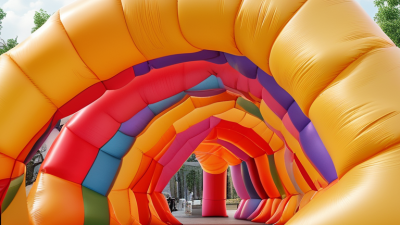
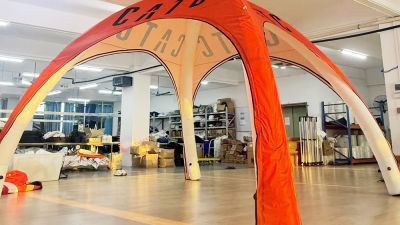
When planning outdoor events and advertising campaigns, selecting the right airtight inflatable tent can significantly impact visibility and engagement. These tents are not only designed for ease of setup but also offer a host of features to enhance your promotional activities. With a quality waterproof construction, attendees can enjoy comfort and protection from unexpected weather, ensuring that your event remains accessible and inviting.
One of the standout features of the ideal inflatable tent is its streamlined setup process. With the aid of an electric pump, you can have your tent ready in just four minutes. This rapid deployment allows you to focus on your event rather than logistical concerns. The airtight structure also means that once inflated, there’s no need for continuous inflation, offering peace of mind and reducing the need for constant maintenance throughout the event.
Additionally, flexibility is a key advantage of these inflatable tents. Their modular design allows components such as the canopy, legs, and walls to be individually detached or replaced. This means you can customize the setup to fit different environments or brand requirements, making it easier for you to adapt your space for various outdoor events. Lightweight and easily transportable, these tents provide a practical solution for vendors, marketers, and anyone looking to make a strong impression in outdoor settings.
FAQS
: Consider the number of guests and the layout of the event. Balance comfort and space efficiently.
Think about tables, stages, and vendors. Allow enough room for guests to move and mingle easily.
Different fabrics offer various benefits. Choose based on durability, weather resistance, and the event's duration.
Check for thickness, weave density, and resistance ratings against water, UV rays, and flames.
Clean the tent after use, inspecting for wear. Address small issues early, and store it in a dry place.
Use breathable bags, avoid moisture, and keep your tents organized for easy access and condition checks.
Regularly review your inventory to ensure everything is in good condition. This prevents disruptions at events.
Regularly refold your tents instead of leaving them crumpled. Creases can affect the tent's structure over time.
Yes, seeking professional advice can be beneficial for maintaining your tent's longevity and performance.
Choosing a tent that's too small can lead to overcrowding. Overestimating space can waste resources.
Conclusion
Choosing the best events tents involves a thorough understanding of the various types available, ensuring they meet specific needs for different occasions. Key factors to consider include the size and capacity requirements to accommodate guests comfortably, as well as the material of the tent, which should suit the event's environment and weather conditions.
Additionally, budgeting is crucial, as it’s important to account for hidden expenses that may arise during the planning process. Familiarity with industry standards and safety guidelines is also essential for compliance and to ensure a secure environment for attendees. Finally, proper maintenance and storage techniques can prolong the lifespan of events tents, maximizing their utility for future gatherings.