Picking the right advertisement tent can really make a difference in how customers notice, trust, and remember your brand. For those selling things worldwide, looks definitely matter—but what lasts longer is how well the tent performs. A bright, eye-catching canopy might grab attention in the afternoon sun, but if the stitching’s weak, it can quickly give off a sloppy vibe and hurt your professional image.
So, in this guide, we're gonna look at the types of ads tents best suited for international marketing, trade shows, retail promos, sports events, and outdoor launches in 2026. We’re talking about pop-up tents, inflatable ones, domes, gazebos, and custom modular setups. Each has its own perks—like how easy they are to carry, how well they handle different weather, how much space you get for branding, how fast they’re to set up, and how much storage they need. Before making a call, it’s a good idea to check out details like fabric weight, frame materials, print quality, fire safety docs, and whether replacement parts are easy to find. Don’t forget—local rules might vary, so verify all supplier paperwork carefully.
Let’s be honest—there’s rarely a “perfect” buy. A high-end tent with really sharp graphics might blow your budget if it’s a small campaign. Or maybe a lightweight tent is easy to ship but doesn’t hold up so well in the wind. So, this overview is all about balancing practical needs—not just showing fancy photos. You should work with experienced suppliers who can give you clear specs, sample images, assembly guides, and honest warranty info. And if possible, ask to see a sample before buying a bunch. Little things like reinforced corners, waterproof seams, smooth zippers, and logos that are easy to read from afar really matter. Remember, no one tent is perfect for every situation. The best pick depends on who you’re targeting, where you’re setting up, how long your campaign lasts, the weather, and how you plan to transport it. Some suggestions might need a bit of testing—that’s totally normal when outdoor marketing meets real-world conditions.
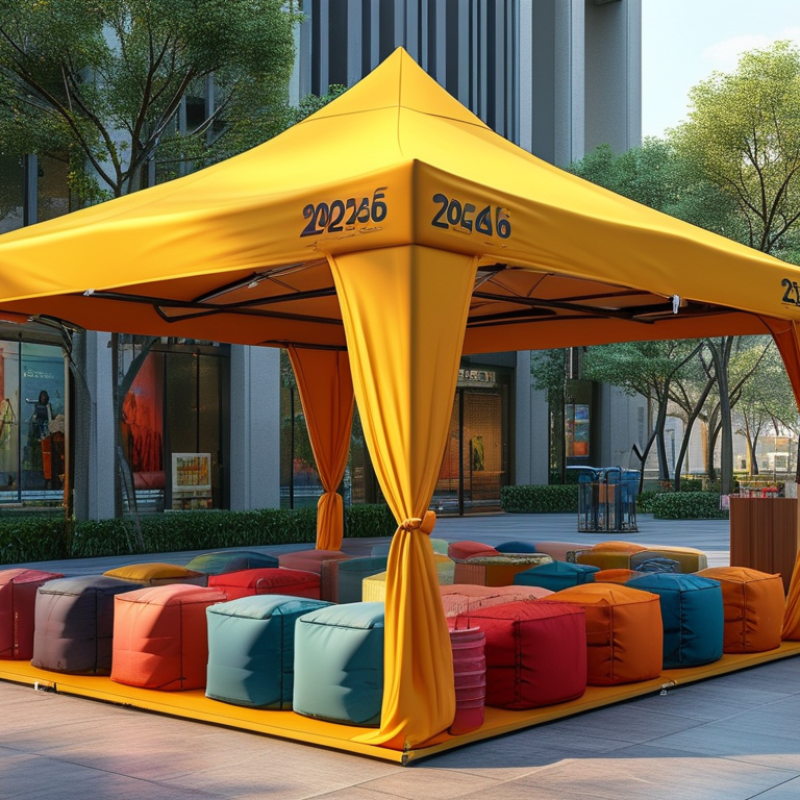
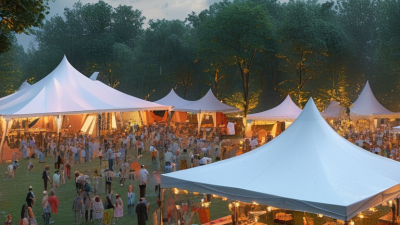
Advertisement tents are portable structures that turn open spaces into visible, branded communication points. They combine shade, shelter, and promotional messaging in one setup. A printed canopy can display a company name, product images, or a short campaign message. Clear graphics work best from a distance.
Common formats include pop-up canopy tents, inflatable advertising tents, tunnel tents, and counter-style event shelters. Pop-up models suit trade fairs, street promotions, and weekend markets because they fold into transport bags. Inflatable designs attract attention through height and shape, but they need a reliable blower and steady power. Outdoor teams use these tents for product demonstrations, customer conversations, sampling, and registration areas. Placement matters. A tent near an entrance may receive more attention than one hidden behind equipment.
Tips: Check wind ratings, frame materials, fabric quality, and printing accuracy before ordering. Use weighted bases on hard surfaces, and inspect every connection before opening the tent to visitors. Weather can change quickly. A waterproof roof does not guarantee a fully dry interior. I have seen attractive displays fail because rain entered through open sides. Leave enough space for walking, staff movement, and emergency access. Local venue rules may also restrict size, anchoring, or placement. A perfect setup is rare, so review the layout after each event.
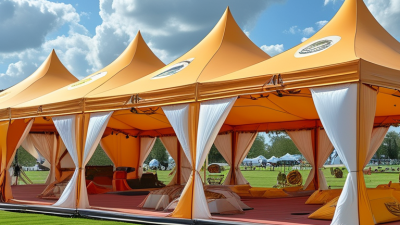
Which advertisement tent types will lead global markets in 2026? Modular frame tents are strong contenders because they adapt to exhibitions, sports events, and retail promotions. Their adjustable walls support counters, lighting, storage, and clear brand graphics. They also work across changing weather conditions when properly weighted and installed.
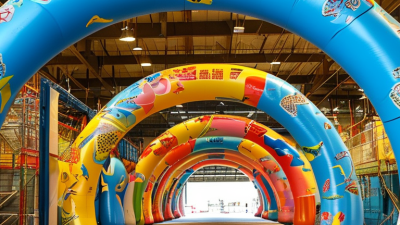
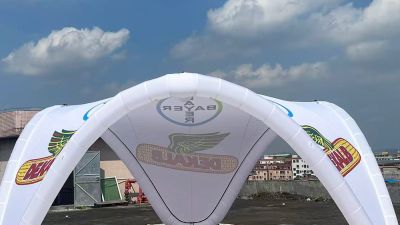
Inflatable advertisement tents will attract buyers seeking fast setup and high visibility. Their rounded shapes stand out in crowded outdoor spaces, while compact packing reduces transport effort. Pop-up canopy tents will remain popular with smaller teams because they offer lower costs and simple assembly. However, lightweight models can perform poorly in strong wind. That detail is often ignored.
Experienced buyers should examine fabric fire performance, stitching, frame strength, print durability, and replacement-part access. Local weather data matters. So does venue policy. A tent that succeeds on a calm beach may fail on an exposed city plaza. Modular systems may lead larger markets, but inflatable designs could dominate short campaigns and mobile tours. Field testing remains essential. No forecast is flawless. Some buyers still choose appearance over safe anchoring, then discover avoidable problems during installation. Reliable suppliers should provide clear load guidance, maintenance instructions, and documented material specifications without making unrealistic claims.
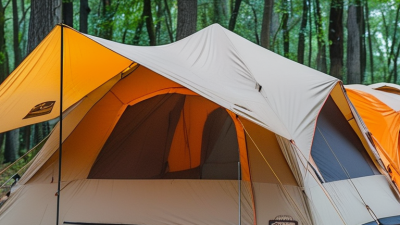
Canopy tents remain a practical choice for outdoor advertising and temporary retail spaces. Their metal frames provide reliable support in calm or moderately windy conditions. Setup usually requires two or more trained workers. A canopy also packs into a manageable case, which helps with repeated transport. However, exposed roof joints can collect water during heavy rain. Buyers should check frame strength, fabric rating, stitching, and anchoring points before ordering.
Inflatable tents create stronger visual impact from a distance. Their rounded walls and bright printed surfaces attract attention at entrances, sports events, and product launches. They are often quicker to assemble than framed structures. An electric blower must run continuously, though. Noise, power access, and puncture repair deserve careful planning. Custom tents offer the most flexible layout, branding, windows, counters, and interior lighting. They also require more design time and usually cost more. Bigger does not always mean better. A complex design may slow installation and confuse visitors.
Tips: Measure the site before choosing a tent. Check ground conditions, weather exposure, and transport limits. Request fire-safety documents and fabric test reports from the supplier. Use weighted anchors where suitable, and inspect seams after every event. A small trial setup can reveal awkward doors, weak graphics, or missing fittings. That step feels unnecessary until something fails.
For global buyers, advertisement tent performance starts with material choices, not printed graphics. The 2024 Outdoor Participation Trends Report recorded 175.8 million U.S. outdoor participants. That figure signals strong demand for fast, dependable event shelters. Solution-dyed polyester provides stable color and practical abrasion resistance. A polyurethane coating improves rain protection, while UV stabilizers slow fading. Fabric weight alone proves little. Testing matters more.
Field experience shows 600D polyester can survive repeated setup, but poor stitching often fails first. Reinforced corners, double-stitched seams, and replaceable webbing reduce maintenance. Aluminum frames lower lifting weight and resist corrosion better than untreated steel. However, lightweight frames need proper anchoring. ISO 5912:2021 offers useful safety and performance benchmarks for temporary tent structures. Not every advertising tent fits its scope. Buyers should verify testing conditions carefully.
Design also changes performance. Sloped roofs shed rain, while vent panels reduce trapped heat during crowded events. Adjustable legs help on uneven pavements. Grand View Research’s 2024 outdoor advertising analysis projects continued market growth through 2030. Growth does not guarantee quality. Ask for hydrostatic-pressure, UV-aging, seam-strength, and wind-test results. Small details matter. I would avoid promising “all-weather” use without location-specific testing. Coastal salt, tropical sun, and sudden gusts expose weaknesses quickly. That limitation deserves honest consideration before purchasing.
2026 Top Advertisement Tent Types for Global Buyers
How Can Buyers Choose the Right Tent for Their Market?
Market selection should begin with visitor behavior, not fabric color. The Events Industry Council reported that business events generated 1.6 trillion dollars in direct spending and 1.5 billion participants globally in 2019. This scale demands clear branding, safe access, and fast installation. Buyers should compare pop-up tents, tension structures, inflatable displays, and modular systems by use case. A roadside campaign needs strong visibility. An exhibition booth needs controlled lighting and storage.
Weather changes the decision quickly. In coastal markets, corrosion-resistant frames and waterproof seams matter. In hot regions, roof ventilation and reflective fabric reduce interior heat. Wind ratings must match local safety requirements, not just supplier claims. Request test documents, load calculations, and installation instructions. UFI’s Global Exhibition Barometer consistently identifies cost pressure and operational efficiency as major concerns for exhibitors. A reusable frame may reduce repeated transport and setup labor, although its shipping weight can become expensive.
Think beyond one event. Measure packed volume, repair access, spare-part availability, and cleaning time. Ask whether one tent can fit a narrow street, a concrete plaza, and uneven grass. It may not. That is the part buyers often underestimate. Choose compliant materials, accessible entrances, flame-performance documentation, and clear warranty terms. ISO 20121 can guide more responsible event planning, but certification alone does not guarantee a practical tent. Local testing still matters.
A practical comparison of commonly used promotional tent formats, based on typical commercial specifications and global event requirements.
| Tent Type | Typical Size Range | Typical Weight | Setup Time | Recommended Capacity | Weather Performance | Portability | Best-Fit Markets and Uses | Buyer Selection Priorities |
|---|---|---|---|---|---|---|---|---|
| Pop-Up Canopy Tent | 2 × 2 m to 6 × 6 m | 18–55 kg, depending on frame and ballast | 2–4 people; about 5–15 minutes | 4–20 visitors standing or 2–12 seated | Good for sun and light rain; requires secure anchoring in wind | High when packed in wheeled bags | Retail promotions, trade fairs, sports events, farmers’ markets, and sampling campaigns | Frame strength, waterproof fabric, printed graphics, spare parts, and local transport rules |
| Inflatable Advertising Tent | 3 × 3 m to 8 × 8 m; custom shapes also available | 15–45 kg, excluding ballast | 1–3 people; about 5–20 minutes | 6–35 visitors, depending on layout | Good visual stability; continuous-air models need power, while sealed-air models need careful leak control | Very high for fabric-based models; pump and power supply must be included | Brand activations, festivals, roadshows, entrances, and high-visibility outdoor campaigns | Blower noise, power compatibility, repair kit, flame-retardant fabric, anchoring system, and inflation time |
| Tension Fabric Tent | 3 × 3 m to 6 × 12 m | 35–120 kg, depending on frame and size | 2–4 people; about 20–60 minutes | 10–60 visitors, standing or mixed seating | Better visual enclosure and rain protection than an open canopy; needs engineered anchoring for strong wind | Medium; fabric packs compactly, but the structural frame is heavier | Premium exhibitions, hospitality areas, product launches, and semi-permanent promotional sites | Fabric tension, graphic alignment, fire certification, water drainage, frame corrosion resistance, and installation labor |
| Modular Frame Exhibition Tent | 3 × 6 m to 10 × 30 m and larger | 80–500+ kg, depending on engineering and fittings | 4–10 people; about 1–8 hours | 20–250+ visitors, depending on floor plan | Strongest option among common promotional structures when properly engineered, ballasted, and certified | Low to medium; usually transported by pallet, van, or truck | Large trade shows, corporate events, hospitality zones, temporary retail, and multi-day exhibitions | Structural calculations, local permits, wind and snow loads, flooring, electrical access, fire safety, and installation service |
| A-Frame or Pole Tent | 3 × 3 m to 10 × 20 m | 30–180 kg, depending on size and material | 2–6 people; about 20–90 minutes | 8–120 visitors, depending on configuration | Good rain coverage; performance depends heavily on guy lines, stakes, ballast, and site conditions | Medium to high for small and medium sizes | Community events, outdoor catering, cultural festivals, markets, and budget-conscious campaigns | Available ground anchoring, headroom, fabric waterproofing, installation method, and local safety requirements |
| Dome or Geodesic Promotional Tent | 4 m to 12 m diameter | 60–350 kg, depending on diameter and cladding | 3–8 people; about 1–6 hours | 15–150 visitors | Efficient aerodynamic form, but anchoring, ventilation, drainage, and weather certification remain essential | Medium to low; best for planned events with professional logistics | Immersive experiences, technology showcases, tourism campaigns, museums, and premium event installations | Internal climate control, fire rating, emergency exits, lighting integration, transport dimensions, and structural certification |
| Inflatable Arch or Tunnel | 3–12 m wide; 3–8 m high or long custom layouts | 8–60 kg, excluding ballast and blower | 1–2 people; about 5–15 minutes | Designed mainly for branding and controlled visitor flow | Suitable for short-term outdoor use when correctly anchored; not normally a fully enclosed weather shelter | Very high when deflated | Marathons, cycling events, race entrances, retail openings, and directional advertising | Visibility, blower and power requirements, anchoring points, seam quality, weather limits, and safe pedestrian clearance |
| Container or Truck-Mounted Event Tent | Vehicle-based; deployed areas commonly 20–150 m² | Vehicle and equipment dependent; often requires commercial transport | 2–8 people; about 30 minutes to several hours | 20–200+ visitors, depending on vehicle and expansion system | Can provide strong enclosure and integrated utilities when professionally engineered | Low, but highly efficient for repeated touring campaigns | National roadshows, mobile retail, public information campaigns, and multi-city product demonstrations | Road regulations, vehicle dimensions, permits, power and HVAC systems, loading access, insurance, and maintenance network |
For global campaigns, pop-up, tension, and inflatable tents serve different safety needs. Pop-up frames suit repeated roadshows and uneven venue schedules. Tension tents offer cleaner branding, but fabric tension must remain stable in wind. Inflatable tents attract attention quickly, yet they need continuous airflow and backup power. Grand View Research estimates the outdoor advertising market will keep expanding through 2030. That growth increases demand for portable structures with measurable performance, not only attractive graphics.
Safety documentation should include wind ratings, ballast calculations, flame-retardant test results, and installation instructions. Requirements vary by country and venue. Buyers should check EN 13782, ISO 7010 symbols, and relevant local fire codes before shipment. NFPA event-safety guidance also stresses clear exits, stable anchoring, and controlled electrical cabling. Branding materials need UV resistance, accurate color reproduction, and readable contact information. A small logo printed too low can disappear behind a table. Compliance labels may also need translation. This detail is often underestimated.
Tips: Request a pre-production sample. Test the tent with real ballast. Ask for fabric certificates, packing dimensions, and replacement-part plans. UFI’s 2024 Global Exhibition Barometer recorded continued activity growth across many exhibition markets, but venue rules remain inconsistent. Do not assume one certificate works everywhere. A perfect tent does not exist. Better specifications reduce avoidable surprises, although field conditions can still expose weak planning.
As event organizers place greater emphasis on measurable engagement, flexible layouts, and memorable brand experiences, the V-Tent offers a practical response to current exhibition trends. Its avant-garde, geometric winged form creates an immediate visual impression, making it well suited to high-tech product launches, automotive displays, trade fairs, and outdoor promotional events. The open-wing structure improves sightlines from multiple directions while forming an inviting space where visitors can comfortably explore products and interact with staff.
For suppliers and factories seeking stronger event visibility, the V-Tent provides generous printable surfaces for sponsor logos, full-color graphics, product messages, and campaign imagery. This broad branding area helps create a consistent visual identity and supports the growing demand for immersive, shareable event environments. Its contemporary appearance can also help exhibitors stand apart in crowded venues without sacrificing practical functionality.
Designed for repeated use, the V-Tent combines durable materials with reinforced seams and a stable inflatable structure. This makes it suitable for regular outdoor applications and long-term promotional programs, helping businesses reduce replacement needs and manage event resources more efficiently. Easy to adapt across different campaigns, it supports a sustainable approach to event branding while delivering a polished, high-impact presentation.
: Canopy tents use metal frames and suit repeated transport. Inflatable tents create stronger distance visibility. Custom tents offer flexible layouts, windows, counters, and lighting.
Inflatable tents are often quicker to assemble than framed structures. However, the blower must run continuously. Power access matters.
Roof joints may collect water during heavy rain. Setup usually needs two or more trained workers. Strong anchoring remains essential.
Choose one when visibility matters at entrances, sports events, or launches. Rounded walls and bright surfaces attract attention. Noise may become annoying.
No. Custom tents support complex layouts and interior features, but they need more design time and usually cost more. Bigger is not always better.
Solution-dyed polyester helps resist fading and abrasion. A polyurethane coating improves rain protection. Reinforced corners, double-stitched seams, and replaceable webbing support longer use.
Use ventilated roofs in hot regions and corrosion-resistant frames near the coast. Check wind exposure, ground conditions, and local anchoring requirements. Weather changes everything.
Request fabric test reports, fire-performance documents, seam-strength results, UV-aging data, and wind-test information. Do not trust vague “all-weather” claims.
A trial can reveal awkward doors, weak graphics, missing fittings, or difficult assembly. It feels unnecessary. Until something fails.
Compare packed volume, shipping weight, repair access, spare parts, cleaning time, and warranty terms. A reusable frame may reduce labor, but transport can become expensive.
Advertisement Tent is a flexible promotional structure designed to attract attention at trade shows, outdoor events, retail openings, sports activities, and community campaigns. In 2026, global buyers are expected to focus on several leading formats, including traditional canopy tents, inflatable tents, pop-up structures, modular exhibition tents, and fully custom-designed solutions. Canopy tents are practical and easy to transport, inflatable tents offer strong visual impact and fast setup, while custom tents provide greater freedom in shape, layout, graphics, and customer experience.
Tent performance depends on durable, weather-resistant materials, stable frames, reinforced seams, effective anchoring systems, and clear printing that remains visible in different conditions. Buyers should evaluate local climates, event locations, transport needs, setup time, storage space, budget, and expected usage frequency before choosing a model. Safety should include wind resistance, fire-related material requirements, secure installation, and unobstructed entrances and exits. Consistent branding, accurate graphics, accessible design, and compliance with relevant local standards can help businesses build trust and achieve reliable results across international markets.