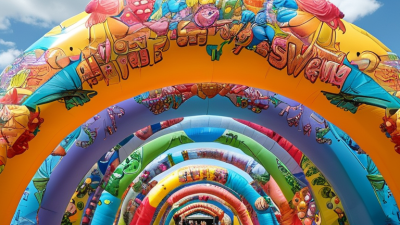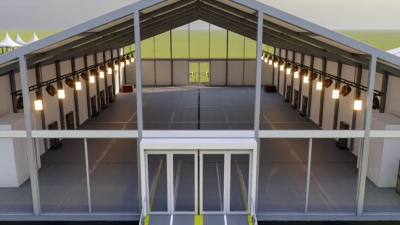
Picking the best inflatable tent canopy for 2026 isn’t just about color, price, or how good it looks in a showroom photo. Buyers around the world need something that can handle changing weather, get moved around a lot, and still show up for tough event schedules. So this guide looks at fabric strength, how well it holds air, anchoring, packed size, setup time, warranty support, and whether replacement parts are easy to get. Those things really matter when a canopy has to go from a windy beach to a packed exhibition hall.
Robert Kronenburg, who knows a lot about portable architecture, once called temporary structures “architecture with a shorter life.” That pretty much sums up every inflatable tent canopy. It might go up in minutes, but whether it stays reliable comes down to good engineering and disciplined use. A solid PVC-coated polyester shell, reinforced seams, stable pressure, and practical ballast can make a real difference. And so can a repair process that actually works.
Small details decide performance.
If a seller throws around vague terms like “all-weather” or “commercial grade,” ask questions. Get the fabric specs. Ask about pressure guidance, wind recommendations, testing info, and proof of how it installs. Suppliers such as Dometic, Zempire, and commercial event manufacturers may each offer different advantages, but a familiar brand name alone doesn’t guarantee it’s right for you. Local climate, shipping distance, customs procedures, and how quickly service responds all affect the real value of the purchase.
No single model fits every market. That’s the uncomfortable part. A lightweight canopy may be easy to transport but give up durability. A bigger system may wow visitors, but it also needs more crew, more ballast, and more storage. This introduction is meant to set up a practical way to compare leading 2026 options honestly—including their strengths, their limitations, and the assumptions buyers should rethink before ordering.
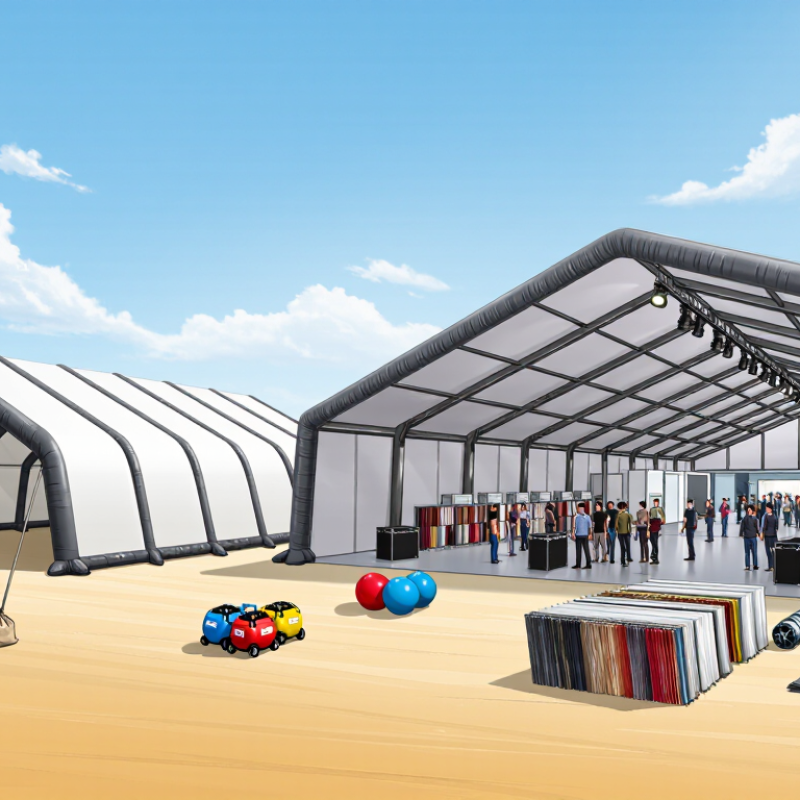
2026 Best Inflatable Tent Canopy for Global Buyers?
What Is an Inflatable Tent Canopy and How Does It Work?
An inflatable tent canopy uses air-filled beams instead of metal poles. A pump pushes air into reinforced tubes. These tubes become the frame. The canopy fabric then attaches with sleeves, clips, or hook-and-loop fasteners. Internal pressure creates rigidity, while ground anchors resist movement. It feels simple. The engineering is not.
In practical installation, a two-person crew can often raise a medium canopy within several minutes. Setup time depends on pump capacity, beam design, wind, and surface conditions. Buyers should check fabric denier, seam sealing, valve quality, and repair access. A small pressure leak can weaken the structure quickly. The real weakness is often anchoring, not the fabric. Hard ground may require different approved fixing methods, while soft ground needs longer stakes and wider load distribution.
Industry demand supports wider use. The Outdoor Industry Association’s 2024 participation report recorded 175.8 million U.S. outdoor participants in 2023. A 2024 global camping market analysis also identified growing demand for portable shelter systems and faster event deployment. These figures do not prove that every inflatable canopy is suitable. They show a larger market seeking convenient outdoor infrastructure. Buyers should still request wind-rating evidence, fire-performance documentation, replacement-part availability, and instructions in the destination language. Some product claims sound impressive but remain difficult to verify. A careful inspection beats attractive specifications.
What Is an Inflatable Tent Canopy and How Does It Work?
An inflatable tent canopy uses air-filled structural tubes instead of rigid metal poles. An electric or manual air pump fills the tubes, creating a lightweight frame that supports the canopy fabric. The chart compares the calculated floor area of common nominal square canopy sizes, helping global buyers match footprint requirements with transport and event-space limits.
For global buyers in 2026, an inflatable tent canopy must survive more than attractive product photos. It should match real event conditions, shipping limits, and local safety requirements. The U.S. Bureau of Economic Analysis reported that outdoor recreation contributed about $1.2 trillion to the economy in 2023, equal to 2.3% of GDP. This signals strong demand, but demand does not excuse weak specifications.
Check the canopy’s tested wind rating, fabric weight, seam quality, and anchoring method. Wind matters more. A stated rating is useful only when testing conditions are clear. Ask whether the result covers the complete structure, not only the material. TPU-coated fabric can resist abrasion, while reinforced PVC may offer stronger weather protection, but weight increases freight cost. Confirm packed dimensions before ordering. That gap matters. Also examine pump redundancy, valve design, water drainage, UV resistance, flame-retardant documentation, and repair-kit availability. UFI’s 2024 Global Exhibition Barometer indicated continued recovery in exhibition activity, with many markets expecting further growth. More events may mean faster setup, repeated transport, and heavier daily wear.
From practical purchasing experience, buyers often focus on air volume and overlook replacement parts. That is a mistake. Request third-party test reports, material certificates, installation instructions, and clear warranty terms. Verify compliance with the destination market’s temporary-structure and fire-safety rules. Published wind numbers can mislead. A canopy may pass a controlled test yet fail on soft ground or uneven anchoring. Inspectors and experienced installers should review the site plan before purchase.
Inflatable tent canopies are not one universal product. Their frame design, fabric weight, and anchoring system should match the application.
A 2024 industry report from Grand View Research estimates continued growth in inflatable structures, driven by faster installation and lower transport volume. These benefits matter at trade shows, outdoor events, and temporary hospitality sites.
Event canopies usually use wide entrances, printed walls, and reinforced air beams. They suit product launches, markets, and sporting events.
Exhibition models prioritize clean interiors and cable access. A stable floor is essential.
For emergency response, low-pressure shelters with replaceable panels are more practical. Relief teams often need sleeping, medical, or storage layouts, not decorative branding.
Sports canopies need strong ballast points and UV-resistant fabric. Wind changes quickly beside open fields.
Smaller hospitality canopies create shaded dining or waiting areas. Their sidewalls should manage airflow without trapping heat.
Field testing suggests that setup time depends more on ground conditions than advertising claims. A wet surface can delay anchoring. That detail is easy to miss.
The Global Inflatable Tent Market report by Market Research Future projects steady expansion through 2030, but market growth does not guarantee suitability.
I would request independent load tests before placing a large canopy in public use. Overlooking ballast remains a costly mistake.
Choosing an inflatable tent canopy starts with material, not appearance. Look for ripstop polyester with a protective coating, reinforced seams, and durable TPU air beams. Higher denier fabric often resists abrasion better, but denier alone proves little. Check seam taping, hydrostatic-head ratings, and UV testing records. These details reveal more than glossy product photos.
Size should match both use and transport. Measure the usable floor area, not only the outer footprint. A 3-by-3-meter canopy may feel cramped with tables, lighting, and visitors. Leave walking clearance around every obstacle. On site, packed weight matters too. A large shelter can become difficult for two people to position safely.
Stability depends on structure and preparation. Count the anchor points, inspect the valves, and confirm whether ballast bags or guy lines are included. Firm ground, soft soil, and paved surfaces need different anchoring methods. Never treat a wind rating as universal; local gusts, rain, and uneven ground change performance. Water-resistant fabric also needs correct pitching, because pooled water can strain seams.
I once focused too heavily on fabric thickness and overlooked repair access. That was a poor comparison.
A replaceable valve, patch kit, and clear maintenance guide may matter more during a long event season.
Selecting the best inflatable tent canopy in 2026 starts with risk control, not fabric color.
Safety depends on documented design, trained installation, and honest weather limits. EN 13782:2015 addresses temporary structures, including stability, exits, and anchoring. NFPA 102, 2023 edition, also emphasizes flame propagation, occupant loading, and emergency access.
Ask for test certificates, load tables, and ballast calculations before purchase. Generic sandbags are not engineering.
On level ground, inspect valves and inflation hoses before opening doors. Anchor every point, then recheck tension after 15 minutes.
Wind changes quickly.
Use a calibrated anemometer, and follow the lower limit in the technical file. If gusts approach that limit, close the canopy and evacuate calmly.
The WMO State of the Global Climate 2023 report measured 2023 at 1.45°C above the pre-industrial average.
That heat can raise interior temperatures, especially over dark flooring. Provide ventilation, shaded work areas, and drinking water.
Electrical blowers need protected cables and RCD or GFCI protection. Never hide a damaged cable under a mat.
Maintenance should be scheduled, not improvised.
After each use, check seams, anchor rings, zippers, valves, blower filters, and fire-treatment records. Clean with mild soap; aggressive solvents can weaken coatings.
Dry the canopy completely before folding. Store it in a cool, dry, rodent-free room, above the floor.
Moisture trapped inside creates odor, mildew, and confusing repair costs.
I would replace uncertain hardware rather than trust a visual check. That choice feels wasteful, but one failed anchor can injure many people.
2026 Best Inflatable Tent Canopy for Global Buyers?
International buyers should treat compliance as a design requirement, not a final checklist. Ask for material test reports, flame-performance evidence, electrical safety documents, and structural calculations. Requirements differ by destination, venue, and weather exposure. EN 13501-1, NFPA 701, and local temporary-structure rules may apply differently. A certificate alone is not enough. Check its scope, test date, and matching fabric code.
Shipping deserves equal attention. UNCTAD’s Review of Maritime Transport 2024 states that ships carry over 80% of global merchandise trade. Yet an inflatable canopy still needs accurate packed dimensions, gross weight, and carton protection. Request a landed-cost quotation covering freight, insurance, customs duties, and destination handling. Incoterms should be written clearly. Small wording errors become expensive. Custom colors, logos, windows, doors, ballast pockets, and air-pump voltage can change production time and transport volume. A perfect specification rarely survives the first factory drawing. Recheck it.
Tips: Build a compliance file before ordering. Include drawings, fabric composition, test reports, packing photos, and replacement-part details. Compare at least two freight routes. The World Bank’s Logistics Performance Index 2023 shows major differences in customs efficiency and delivery reliability between markets. Leave time for inspection. Also test one inflated sample for seam tension, zipper movement, anchoring, and deflation behavior. It may reveal an uncomfortable design mistake.
For global buyers, the best inflatable tent canopy is not automatically the largest or cheapest. Start with local weather, customer habits, and event locations. A coastal market may need stronger wind resistance and corrosion-resistant fittings. Hot regions need reflective fabric, wide ventilation panels, and UV protection. Cold markets require enclosed walls and reliable air retention.
Check the structure before checking the price. Ask for fabric weight, seam construction, air-column pressure, flame-resistance documents, and repair instructions. Request independent test reports when available. A clear warranty also shows whether the supplier accepts long-term responsibility. Test one sample on real ground, not only in a showroom. Watch the setup time, anchor stability, zipper movement, and water performance after heavy rain.
User comfort matters too. Measure doorway height, interior airflow, lighting options, and storage space. A canopy used for food exhibitions needs different surfaces from one used for sports events. I have seen buyers choose attractive shapes that became difficult to transport. That mistake is easy to repeat. Consider package size, replacement parts, local service skills, and import requirements before placing a large order. No design is perfect. A slightly heavier frame may be wiser if daily safety matters more than fast handling.
Check wind testing, fabric weight, seams, anchors, valves, drainage, UV protection, and packed dimensions. The cheapest option may cost more later. Request test reports and installation instructions.
Coastal sites need stronger wind resistance and corrosion-resistant fittings. Hot regions benefit from reflective fabric, ventilation panels, and UV protection. Cold areas need enclosed walls and dependable air retention. Weather changes everything.
Ask whether testing covered the complete structure, ground conditions, and anchoring system. A controlled test may not represent soft soil or uneven anchors. Review the site plan with an experienced installer.
TPU-coated fabric can resist abrasion, while reinforced PVC may provide stronger weather protection. Heavier fabric can increase freight costs. Compare durability with packed weight, not appearance alone.
Request independent test reports, material certificates, fire-resistance documents, warranty terms, and repair instructions. Confirm local temporary-structure and safety requirements before importing. Paperwork is practical protection.
Pumps, valves, zippers, and air lines can wear during repeated transport. Ask about spare parts, repair kits, and local service skills. Air volume is not enough.
Set it up on real ground, then observe anchor stability, setup time, zipper movement, airflow, and drainage after heavy rain. A showroom test can hide practical problems. One sample may reveal expensive mistakes.
Measure doorway height, ventilation, lighting options, and storage space. Food exhibitions may need easier-clean surfaces than sports events. A beautiful canopy can still feel cramped.
Not automatically. Choose according to event type, transport limits, daily handling, and safety needs. A slightly heavier structure may be wiser for repeated use. Still, test handling before committing.
Choosing the best Inflatable Tent Canopy in 2026 requires a clear understanding of how air-supported structures work and which features match your application. Unlike traditional framed shelters, these canopies use inflatable beams to create a stable structure, making them suitable for exhibitions, outdoor events, emergency use, commercial promotions, and temporary workspaces. Global buyers should evaluate fabric quality, waterproofing, UV resistance, dimensions, internal layout, inflation systems, anchoring methods, wind stability, and performance in different weather conditions.
A reliable buying decision also depends on safety, simple installation, routine inspection, cleaning, repair, and compact storage. International purchasers should confirm product compliance, packaging standards, shipping arrangements, import requirements, warranty terms, and available customization options such as color, printing, size, and accessories. By comparing materials, capacity, durability, climate suitability, and total ownership cost, buyers can select an Inflatable Tent Canopy that is practical, safe, easy to transport, and well suited to the needs of their target market.